






 Portuguese
  Spanish


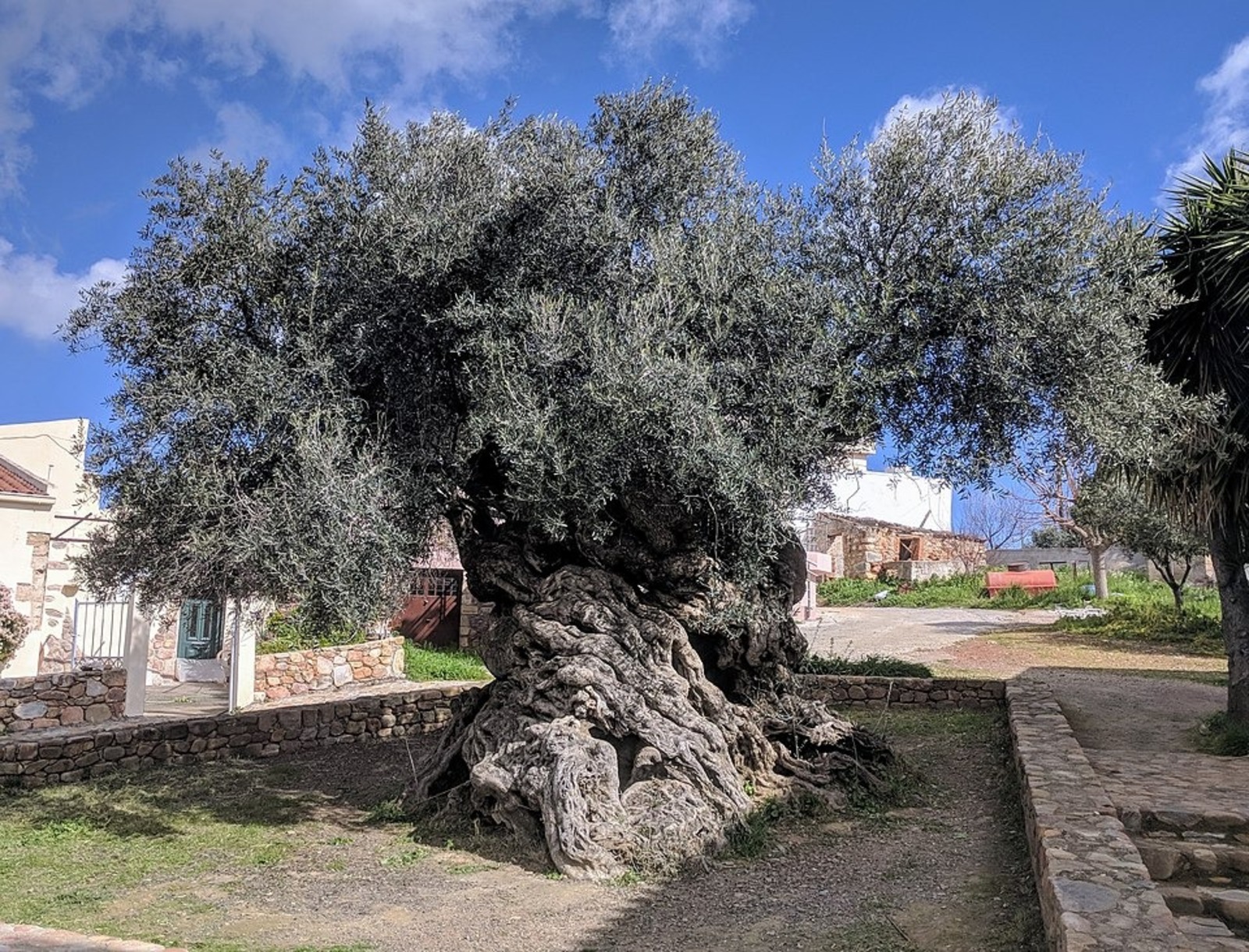


With About 4,000 Years, The Vouves Olive Tree On The Greek Island Of Crete Is Still Alive, Producing Fruits And Delighting Visitors With Its Impressive Thousand-Year History
In the heart of the island of Crete, Greece, a thousand-year-old tree defies time and impresses scientists and visitors. It is the legendary Vouves Olive Tree, located in the small town of Ano Vouves, in the western part of the island. It is estimated to be around 4,000 years old and, surprisingly, still produces fruits every year.
More than a living relic, the Vouves Olive Tree is a symbol of resilience. It has survived empires, wars, and climate changes.
Even with the core of its trunk having deteriorated for centuries, it maintains a green and healthy canopy, with new shoots constantly emerging.
-
Fisherman Catches 18kg Catfish Near Brazil’s Itaipu Lake, Among Largest Recorded in Recent Years

-
Wet phone: Apple and Samsung warn against using rice to dry it, as it may release particles and worsen USB port damage.

-
Despite Extreme Heat, Politicians Reject Air Conditioning to Protect the Environment

-
New Bridge Between Tocantins and Pará Transforms Daily Commute, Replacing Costly Ferry Crossings in Brazil


Production And Historical Importance
The tree belongs to the species Olea europaea L., the same one cultivated in much of the Mediterranean. Its history accompanies that of the civilizations that dominated Crete — from the Minoans to the Romans.
And, despite its age, it remains productive: it generates about 150 kilograms of olives per year, all suitable for consumption.
Due to its relevance, the Greek government declared the Vouves Olive Tree a Natural Monument in 1997.
Since then, it has become one of the most sought-after tourist attractions on the island, receiving approximately 20,000 visitors annually.
Symbol Of Wisdom And Science
The Vouves Olive Tree represents more than a botanical curiosity. For scientists, it is a rare case of longevity and adaptation.
The twisted structure of the trunk, which appears deformed, is the result of a natural process that has protected the tree over the millennia, allowing for the constant regeneration of new branches.
In addition, it has become a cultural icon. Since the Athens Olympic Games in 2004, branches taken from this olive tree have been used in the crowns given to marathon winners, reinforcing the symbolic connection between sport and ancient Greek traditions.
A Museum Dedicated To The Tree
About 30 kilometers from Chania, one of the most charming cities in western Crete, is the Vouves Olive Tree Museum, inaugurated in 2009.
The space preserves ancient olive oil presses and tools used in traditional production, as well as tells the story of the relationship between the Cretan people, olive oil, and the tree itself.
Entry costs 3 euros, and children have free access. For those visiting Crete, this stop is almost mandatory, as it combines nature, history, and culture in one place.
Curiosities Of The Thousand-Year-Old Olive Tree
Estimated Age: 4,000 Years
Height: 12.5 Meters
Trunk Diameter: 4.6 Meters
Annual Visitors: About 20,000
Status: Natural Monument Since 1997
Information from Itatiaia.





Absolutely fantastic news imagine what that tree has seen.