






 Portuguese
  Spanish


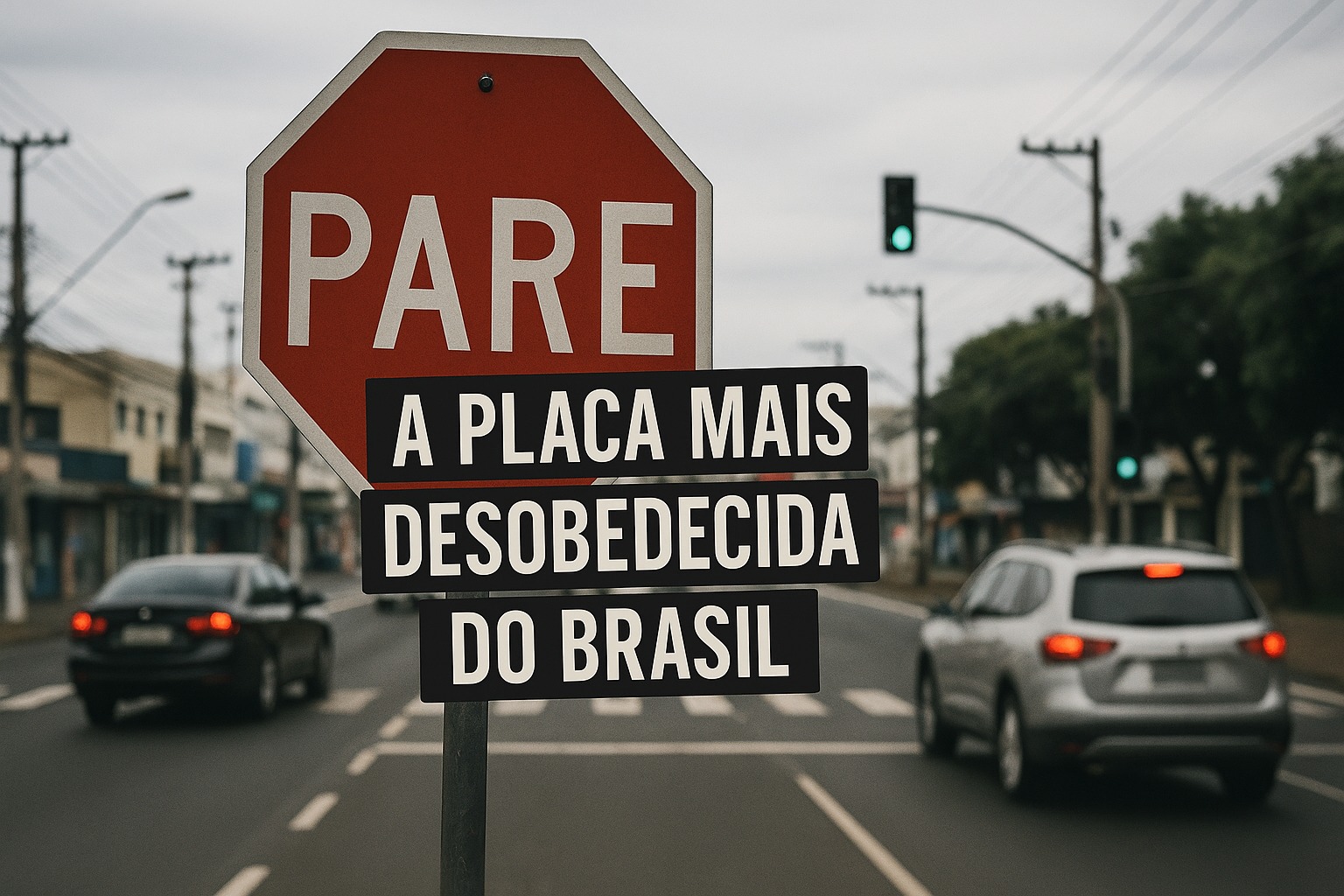

Among All the Signs Spread Across the Country, Experts Point Out That the Stop Sign Leads in Violations and Serious Accidents at Intersections
In busy streets or on avenues of large cities, a behavior repeats. Drivers disregard traffic signs. Among so many spread across the country, one stands out for being the most disobeyed: the “STOP” sign.
Data from the National Traffic Department (Denatran) and state regulatory agencies confirm this leadership.
Most drivers only reduce speed but do not come to a complete stop, which already constitutes an infraction.
-
Before Japan Became a Football Powerhouse, Zico Transformed the Amateur League, Boosted the J.League, and Was Honored with a Statue at Kashima Antlers

-
House Left Isolated in the Middle of New Chinese Highway as Owner Refuses Compensation Deal, Construction Continues Around the Property

-
Venetian Factory Luigi Bevilacqua Crafts Velvet by Hand on 18th-Century Looms, Producing Just 30 Centimeters a Day

-
From Customer Service to Pipeline Welding: She Becomes the Second Female Welder in Utility’s History, Now Leading a Team in San Diego


This habit, which seems harmless, is among those that most cause accidents at intersections.
Reasons for Disrespect
Urban mobility experts list different factors that help explain this attitude.
The most cited reason is the rush. Many believe that reducing speed is enough and that stopping would be a waste of time.
Another point is the misleading feeling that there is no danger. When the driver believes there is no risk of a collision, they decide to move on without respecting the sign.
The lack of continuous enforcement also weighs in. In areas with few traffic agents, the perception of impunity increases and non-compliance grows.
Finally, there are flaws in driver education and training. Even though it is one of the first rules taught, the real importance of “STOP” is not assimilated by everyone.
Consequences at Intersections
Surveys from the Federal Highway Police and state traffic departments indicate that disrespect for this sign is among the main causes of collisions.
Most occur at intersections and result in side impacts, the most vulnerable area of the vehicle in terms of protection.
Therefore, simple obedience to this rule could significantly reduce the rates of accidents and injuries on the road.
Experts emphasize that coming to a complete stop is not bureaucracy, but rather a safety measure.
Other Ignored Signs
Despite the prominence of “STOP,” it is not the only target of negligence.
The sign indicating maximum speed is frequently ignored on avenues and highways, leading to fines and contributing to serious accidents.
Another poorly respected sign is the “no parking or stopping” sign. In urban areas, its disobedience compromises traffic flow and intensifies jams.
The use of seat belts, reminded by enforcement signs, is also still being ignored, even with constant campaigns.
Finally, the signs signaling pedestrian crossings. Many drivers do not stop at the crosswalk, exposing pedestrians to unnecessary risks.
Thus, it is clear that respecting the signs is not just about following a rule. It is about preserving lives every day on Brazilian roads.


