Portuguese
  Spanish



The Discovery in Norway of a Giant Phosphate Reserve Could Meet Global Demand for the Mineral for Half a Century and Contributes to the Chip and Electric Car Sector
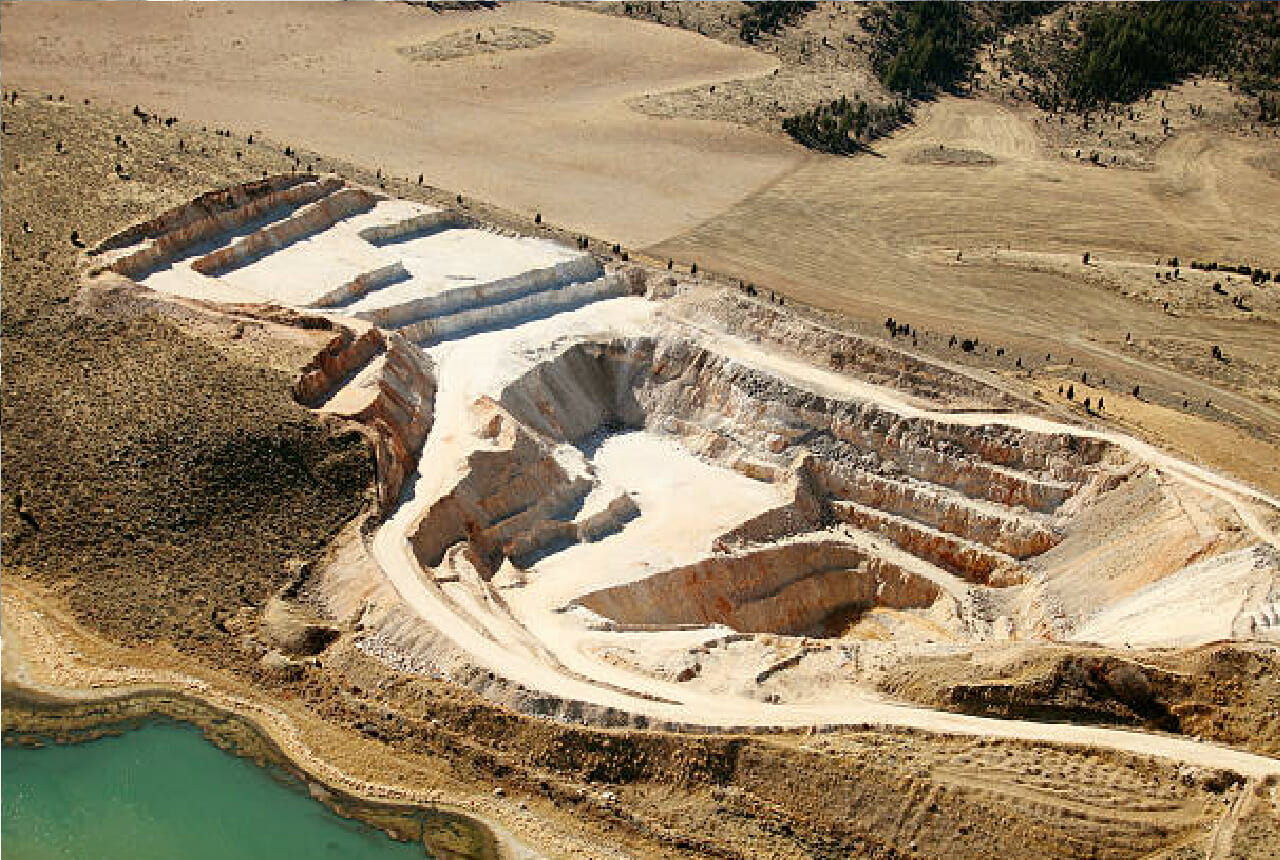
Norway is about to become an important player in the fertilizer and electric car industries, thanks to the discovery of a giant reserve of phosphate rock. The Norwegian mining company, Norge Mining, revealed the existence of a reserve of up to 70 billion tons of phosphate, capable of meeting global demand for the next 50 years. The discovery in Norway represents a significant milestone in the mining sector and opens opportunities for the supply of crucial raw materials in the electric car and chip industries, for example, according to O Globo.
The phosphate reserve is located in southwestern Norway and consists of two areas at a depth of 400 meters. According to the founder of Norge Mining in Norway, Michael Wurmser, this discovery will enable the sustainable supply of raw materials to meet global demand for electric cars and other technologies in the coming decades.
Phosphate rock is essential in the production of fertilizers, providing phosphorus, a crucial ingredient for crop growth. Additionally, it can be processed to produce phosphoric acid, used in a wide range of products, from animal feed to lithium iron phosphate batteries, which power solar energy systems and electric cars.
-
Eni Acquires 25% Stake in Chilean Lithium Project, Plans to Invest Up to $225 Million in Eco-Friendly Extraction Method

-
French Brand Transforms 6 Million Brazilian PET Bottles into Sustainable Sneakers for Global Fashion Market
-
Abandoned Factory in Rio’s North Zone Becomes Urban Hazard with Standing Water and Debris

-
The U.S. Navy Conducts Submarine Tests in Idaho Lake to Detect Underwater Noises Hidden by the Ocean


In Addition to Phosphate, Norway’s Reserve Also Contains Other Minerals
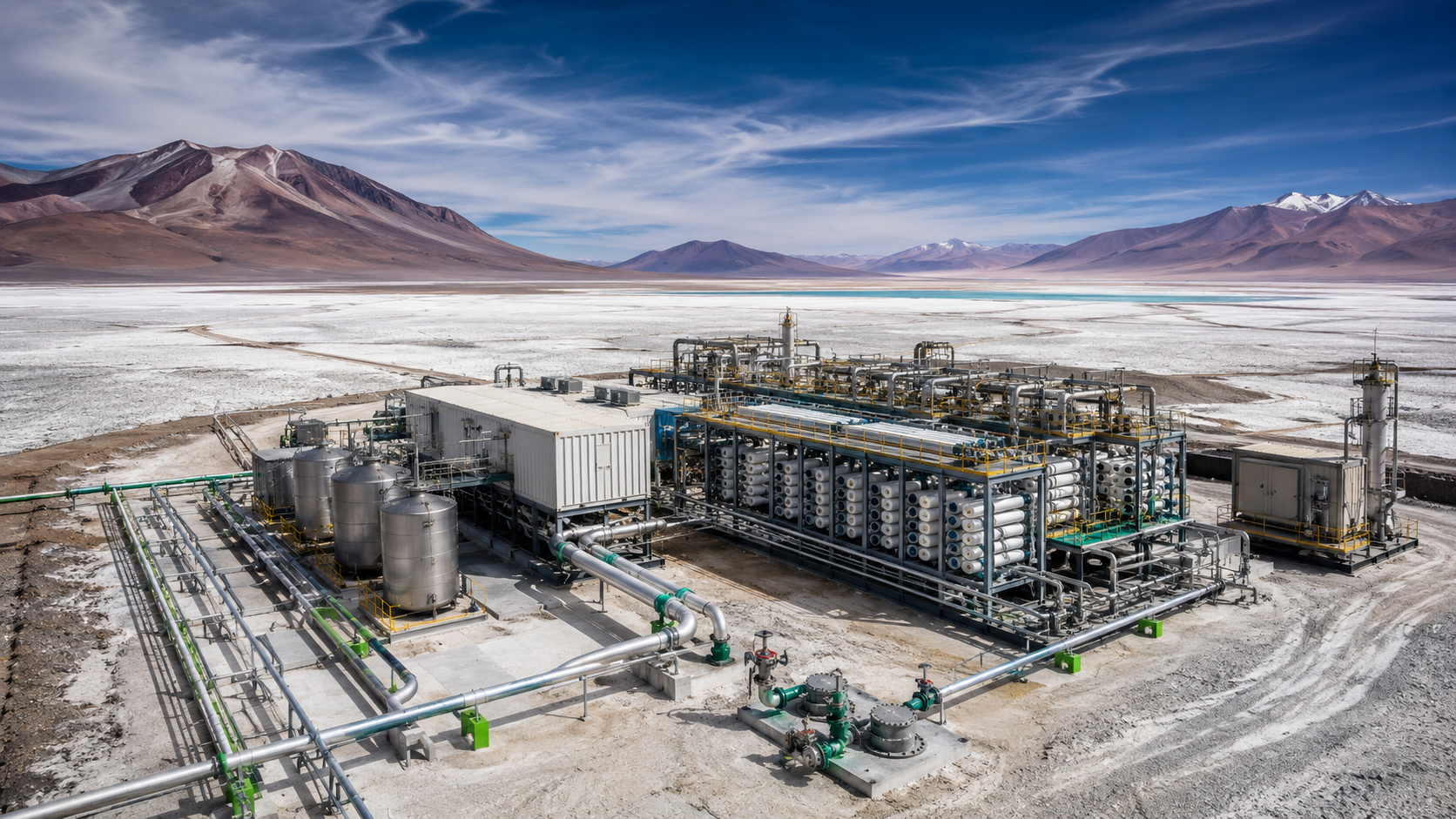
The reserve discovered in Norway also contains vanadium and titanium, minerals of strategic importance for the European economy. Global demand for phosphate reaches about 50 million tons per year, and until now, the largest amount of phosphate rock was located in the western Sahara region in Morocco, with approximately 50 billion tons. Other countries with significant reserves include China, Egypt, and Algeria.
Currently, about 90% of the extracted phosphate is used by the agricultural and electric car industries in the production of fertilizers and batteries. However, experts warn of the risks of excessive reliance on this finite resource, which could lead to food shortages in the future. Furthermore, the intensive use of phosphate fertilizers in agriculture has been associated with river pollution due to nutrient runoff into the water.
Phosphorus in Chip Production
Recently, phosphorus has gained importance in other industries such as computer chips, solar panels, and electric car batteries. These sectors have been driven by the environmental benefits they offer. However, the extraction and refining of phosphate can be polluting processes.
In light of this, Norge Mining from Norway has committed to adopting advanced carbon capture and storage techniques to reduce emissions during the extraction and refining process of phosphate. These measures aim to mitigate environmental impact and ensure the sustainability of the mining industry.
The discovery of the giant phosphate rock reserve by Norge Mining represents a significant opportunity for Norway’s mining sector and has the potential to drive sustainable development, as well as contribute to global demand for fertilizers and clean technologies, while also boosting the electric car industry.
Prospects are promising for Norway, which can now play a crucial role in supplying essential raw materials for agriculture and clean energy industry, driving economic growth and the transition to a more sustainable society and electric cars.