Portuguese
  Spanish


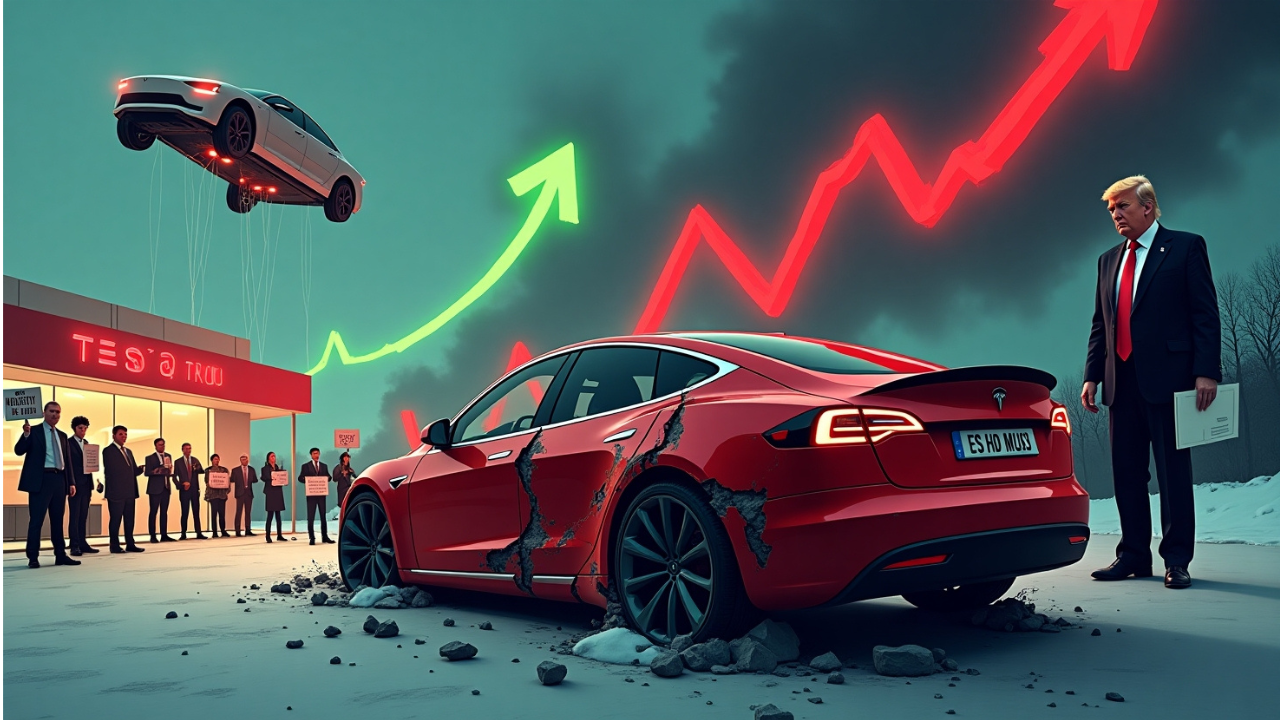

Tesla Faces Steep Drop In Sales And Stock Devaluation Amid Controversies Involving Elon Musk And His Support For The Trump Administration.
The electric vehicle manufacturer is facing its most turbulent moment in recent years, with a collapse in sales and stock devaluation; analysts fear for Tesla’s future under Elon Musk’s leadership.
The Tesla, a giant in electric vehicles led by Elon Musk, is going through one of the most troubled periods in its history.
In the first three months of 2025, the company recorded a 13% drop in sales compared to the same period last year, delivering just under 337,000 cars — the lowest quarterly volume in three years.
-
21-Year-Old Moves Back to Parents’ Home in Arizona, Finds New Private Apartment in Converted Garage as Families Tackle U.S. Housing Pressures

-
Innovative Container Studio in Brazilian Beach Town Thrives with High Demand and Plans for Expansion
-
Brazil Opens Permanent Tax Office in Beijing to Streamline Trade and Combat Customs Fraud with China, Its Largest Trading Partner

-
Eco-Friendly Brick Mini-Factory Fits in a Garage, Starts with a $1,800 Press, Produces Bricks for $110 per Thousand and Sells for Up to $290





The news had an immediate impact on the market: Tesla’s shares plunged at the opening of trading on Wednesday (2), intensifying concerns among investors and analysts.
The crisis faced by the American automaker is not only commercial but also political and institutional.
Elon Musk, who also plays a prominent role in President Donald Trump’s administration, has been heavily criticized for mixing his business interests with political activism.
Musk currently leads the Department of Government Efficiency (DOGE), an initiative created by Trump to reduce federal spending.
The billionaire’s controversial actions have sparked protests, boycotts, and even vandalism against Tesla vehicles in various countries.
According to experts, this political exposure has directly affected the brand’s image. “The more political involvement, the more the brand suffers. There is no discussion about that,” assessed Dan Ives, an analyst at Wedbush, in a statement.
For Ross Gerber, one of the company’s early investors, the situation is critical. “Tesla is in collapse and may not recover,” he stated in a post on social media platform X.
In addition to tough competition from China’s BYD in the global electric vehicle market, Tesla is facing increasing scrutiny from regulatory entities and institutional investors.
The New York City Comptroller is studying filing a lawsuit against the company after registering losses of over US$ 300 million in pension funds due to the stock devaluation.
Randi Weingarten, president of the American Federation of Teachers, has also called for explanations and actions from financial managers to protect retirement investments linked to Tesla.
Tesla, for its part, has downplayed the negative results, stating that the reported numbers represent only part of the quarterly performance.
A comprehensive report is scheduled for April 22, in which the company intends to detail the causes of the decline, which include the temporary suspension of Model Y production, currency fluctuations, and other operational costs.
However, market confidence remains shaken.
Tesla’s shares have already lost more than 25% of their value since the beginning of the year, and investors fear that Elon Musk’s political instability and his closeness to Trump may be diverting focus from the company’s management.
If Tesla aims to regain its leadership position in the electric vehicle sector, it will require more than financial adjustments — it will need to rethink its governance and institutional strategy, starting with Musk’s role in driving the business.