Portuguese
  Spanish




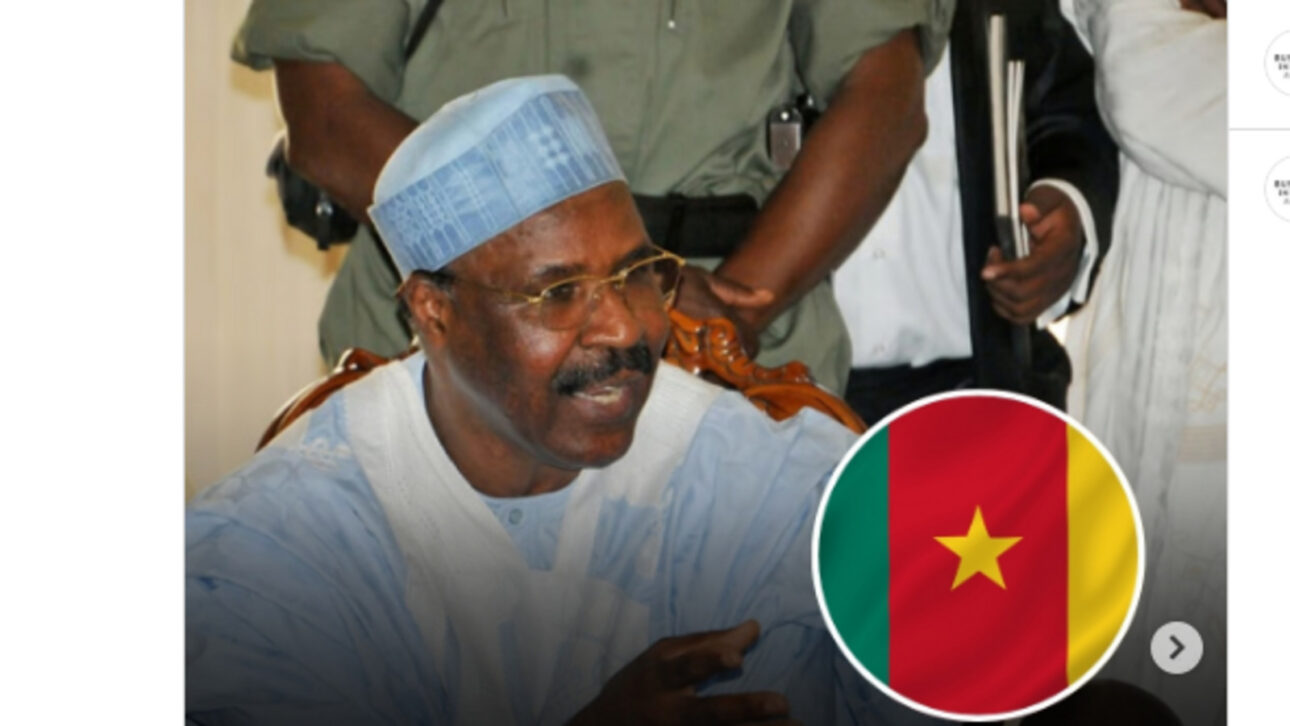
Baba Ahmadou Danpullo’s project envisions a private airline, two airports in Yaoundé and Douala, and routes to connect the ten regions of Cameroon before reaching CEMAC, with an investment of US$ 900 million
The Cameroonian billionaire Baba Ahmadou Danpullo plans to invest 500 billion CFA francs, about US$ 900 million, to launch Danpullo Air Line, a private airline initially focusing on the ten regions of Cameroon with planned expansion to the six CEMAC countries.


Danpullo Air Line is born with a plan to connect Cameroon to Central Africa
The proposal envisions a private airline initially targeting the Cameroonian domestic market. The idea is to connect the country’s ten regions before moving on to the other members of the Economic and Monetary Community of Central Africa, CEMAC.
The project also includes the construction of two private airports, one in Yaoundé and another in Douala. The initiative extends the scope of the investment, as it is not limited to the creation of an airline.
-
China Transforms South China Sea Landscape by Dredging Sand to Build Artificial Islands with Runways, Hangars, Radars, and Ports on Contested Reefs

-
Brazil to Phase Out Gasoline Subsidy, Fuel Prices Set to Rise Amid National Debate

-
Brazil Aims to Boost Critical Mineral Production to 12.2% of Global Output, Targeting Battery and Tech Industries
-
Brazil’s New National Mining Plan Aims to Transform Fertilizer Market and Reduce Foreign Dependency from 87.3% to 34.9%, Boosting Agriculture and Food Production




According to available information, construction of the Yaoundé airport is expected to begin in September. Commercial operations are expected to start in 2030, if the schedule progresses as planned.
The financing is expected to combine Danpullo’s own resources with capital from private investors and international financial institutions.
Investment almost equal to the billionaire’s estimated fortune
The financial scale is one of the central points of the project. Forbes Africa estimates Baba Ahmadou Danpullo’s fortune at about 547 billion CFA francs.
This means that the investment of 500 billion CFA francs in the airline and associated infrastructure would consume a very large portion of the wealth attributed to the businessman.
Danpullo built his fortune in areas such as real estate, agriculture, telecommunications, and transportation. His group includes Ndawara Tea Estates, a tea producer in Central Africa, as well as a significant stake in Nexttel, a mobile phone operator in Cameroon.
If it gets off the ground, Danpullo Air Line could rank among the largest private aviation investments ever made by an African billionaire.
Two private airports expand the billionaire’s bet
The plan draws attention because it goes beyond the common model of new airlines on the continent. Many startups rely on leased aircraft and existing airports.
In Danpullo’s case, the proposal includes creating its own airport infrastructure. This could provide more operational control to the project, but also increases the amount of capital required and the complexity of execution.
Besides acquiring or operating aircraft, an airline needs to comply with strict aviation regulations, obtain route rights, hire specialized teams, and maintain safety and maintenance programs.
The sector also faces high costs with fuel, currency fluctuations, and a constant need for capital to maintain regular operations.
Project aims to address low regional connectivity
The investment arises in a market described as one of the least connected in the world. Even with a common currency and an integrated economic bloc, traveling between CEMAC countries often requires stopovers in Europe or West Africa.
This limitation affects business travel, tourism, and regional trade. The bloc comprises over 60 million people but still suffers from a lack of direct flights between its own markets.
Danpullo Air Line aims to operate precisely in this gap, creating stronger domestic and regional connections from Cameroon, the largest economy in Central Africa.
The initiative also appears amid the struggles of Camair-Co, Cameroon’s state airline, which faces operational and financial problems. The company has been dealing with aircraft shortages, financial pressures, and the need to lease planes to maintain regular services.
Competition and risks still weigh on the plan
The project will have to compete with international companies already present in Cameroon, such as Air France, Turkish Airlines, Brussels Airlines, and Royal Air Maroc. These companies have established regional and international networks.
The construction of two private airports adds an extra layer of risk. In addition to launching an airline, the plan requires the execution of construction works, securing financing, and coordination with industry regulations.
The proposal also connects to broader African integration movements, such as the African Continental Free Trade Area and the Single African Air Transport Market, aimed at improving connectivity and reducing the costs of moving people and goods.
The outcome of the project will depend on the ability to transform private capital into a regular, efficient air operation capable of serving a region that has faced connectivity challenges for decades.
This article was prepared based on information from the provided source material and Forbes Africa, with data, numbers, and statements preserved as per the consulted material.