Portuguese
  Spanish


After 25 Years of Intense Negotiations, the Historic Agreement Between Mercosur and the European Union Could Change the Global Trade Landscape. While It Promises Billions in Economic Benefits for Brazil, It Faces Strong Opposition from Environmentalists and Farmers in Europe. Will This Be the Beginning of a New Era or Just Another Political Impasse?
The Free Trade Agreement Between Mercosur and the European Union Started Being Negotiated Over 20 Years Ago and Was Announced in 2019 as a Historic Milestone.
It Is a Treaty Aimed at Eliminating Trade Barriers, Promoting Economic Exchange, and Strengthening Cooperation Between Two Blocs That Together Represent About 25% of Global GDP.
However, Despite the Initial Enthusiasm, the Ratification of the Agreement Still Faces Significant Barriers. The Impasse Mainly Involves Environmental Issues, Market Quotas, and Protectionist Resistance, Especially from European Countries Like France, Which Are Concerned about Impacts on Their Agriculture.
-
Brazilian Startup Turns Coffee Grounds into Plant-Based Leather, Cutting Water Use by Over 50 Times for High-Impact Sustainable Fashion

-
Eco Invest Auction Aims to Unlock $10 Billion in Investments, Focusing on Green Fertilizers, Critical Minerals, Batteries, and AI for Clean Industry in Brazil

-
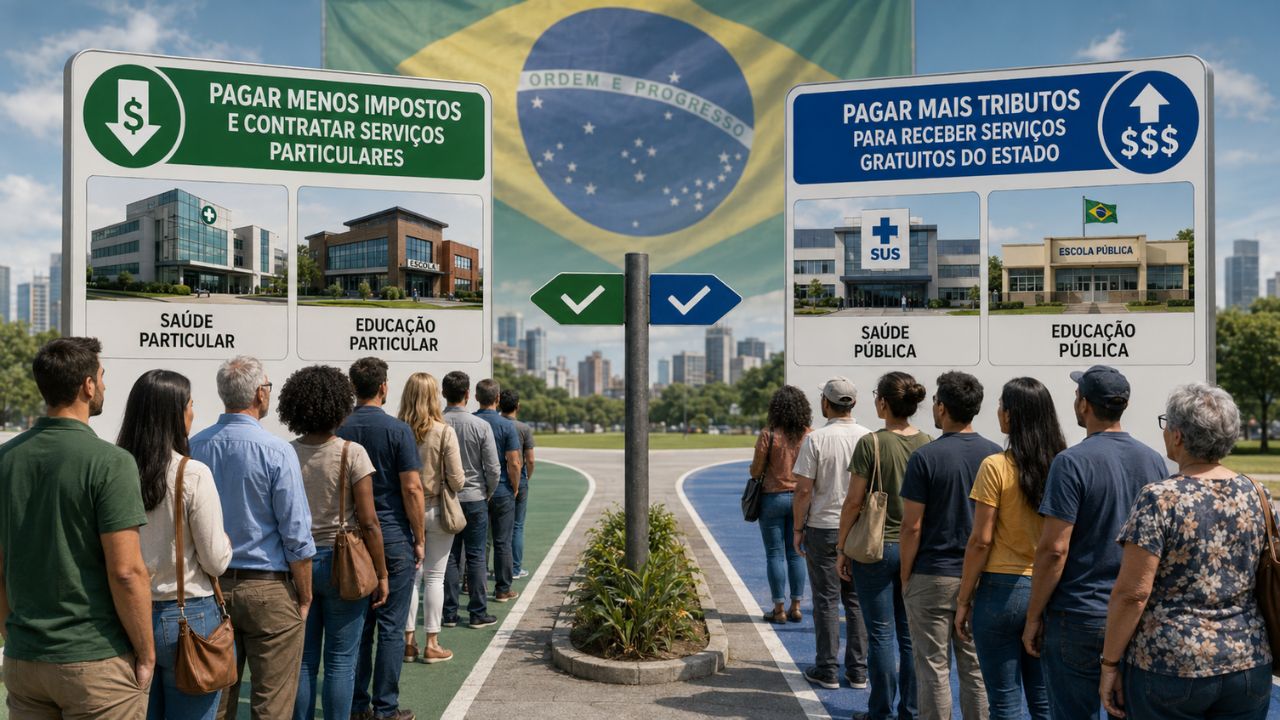
Half of Brazilians Prefer Lower Taxes with Private Health and Education, While 44% Opt for Higher Taxes for State-Provided Services, Datafolha Survey Reveals

-
Brazil’s Most Expensive Toll Rises to R$ 40.60 on Route from São Paulo to the Coast, Nearly Matching Bus Fare to Santos



Expected Benefits of the Agreement
The Agreement Promises Significant Economic Benefits for Both Parties:
- For Mercosur:
- More Competitive Exports: Agricultural Products, Such as Beef, Soybeans, and Tropical Fruits, Would Gain Access to a High-Demand Market Like the EU, with Reduced or Eliminated Tariffs.
- Attraction of Foreign Investments: The Agreement Could Stimulate European Investments in Infrastructure, Technology, and Industry in South American Countries.
- Economic Diversification: Reducing Dependence on Exports to Other Markets, Such as China and the USA, Is Seen as a Strategic Advantage.
- For the EU:
- Access to Raw Materials: South American Agricultural and Mineral Products Would Become More Accessible, Helping to Reduce Production Costs.
- High-Tech Exports: Mercosur Would Be a Promising Market for European Industrial and Pharmaceutical Products.
- Food Security: The Partnership with Resource-Rich Countries Like Brazil and Argentina Reinforces the Food Security of the European Bloc.
Studies Indicate That the Treaty Could Generate a 0.34% Increase in Brazil’s GDP by 2044, with Positive Impacts Also in Other Mercosur Countries.
The Challenges in Implementation
Despite the Advantages, the Agreement Faces Significant Challenges:
- Environmental Issues: The European Union Demands Stricter Environmental Guarantees, Mainly in Combatting Deforestation in the Amazon. Under Lula’s Government, Brazil Has Shown Progress in This Area, but Criticisms Remain Regarding the Execution of Robust Environmental Policies. Moreover, Countries Like France Question the Sustainability of Mercosur’s Agricultural Products, Such as Beef, Claiming Their Production Is Associated with High Rates of Deforestation.
- Protectionist Resistance: European Agricultural Sectors, Such as Meat and Dairy Producers, Fear Competition from Cheaper Mercosur Products. On the Other Hand, South American Industries Worry About the Influx of European Industrialized Products, Which Could Hinder Local Competition.
- Quotas and Tariffs: The Agreement Provides for Specific Quotas for Certain Products, Such as Brazilian Beef (99,000 Annual Tons Exempt from Tariffs, in Addition to the 200,000 Tons Already Exported). However, Many Consider These Quotas Insufficient to Meet the Potential Demand.
- Delayed Ratification: For It to Come into Effect, the Agreement Must Be Approved by All Parliaments of the Involved Countries, a Process That Could Take Up to Five Years. France, for Example, Has Already Indicated That It May Veto the Treaty If Its Environmental and Agricultural Concerns Are Not Addressed.
Recent Advances
In December 2023, Heads of State from Mercosur and the European Union Reiterated Their Intention to Quickly Conclude the Agreement.
The Brazilian Presidency in Mercosur Emphasized the Theme, but Disagreements Over Technical Details Delayed a Definitive Conclusion.
Germany, Led by Chancellor Olaf Scholz, Has Been a Strong Advocate for the Treaty, Highlighting Its Importance for the European Industrial Sector.
In Argentina, the New Government of Javier Milei Has Also Expressed Support for the Agreement, Seeking to Accelerate Negotiations.
Future Implications
If Implemented, the Agreement Will Have Profound Impacts on Global Trade Patterns, Influencing Everything from Agricultural Practices in Mercosur to Sustainability Policies in Europe.
In Brazil, Sectors Such as Agribusiness and Mining Are Expected to Be the Primary Beneficiaries, While Local Industry Will Face Challenges Competing with European Products.
The Conclusion of the Treaty Depends on Mutual Commitments. Mercosur Needs to Strengthen Its Environmental Agenda, While the European Union Must Ease Protectionist Demands and Adjust Trade Quotas to Allow for a More Balanced Trade Flow.
The Agreement Between Mercosur and the European Union Is More Than a Trade Negotiation; It Symbolizes the Effort to Balance Economic, Environmental, and Social Interests in an Era of Globalization.
Although Controversial, Its Implementation Could Transform the Dynamics Between the Two Blocs, Offering Unique Opportunities for Growth and Integration.
As Pointed Out by the Portal G1, the Success of the Agreement Will Depend on Careful Negotiations and the Ability to Overcome Internal Resistance in Both Regions, Reinforcing the Importance of Dialogue and International Cooperation to Achieve Sustainable Solutions.
If You Need Additional Information or Adjustments, I Am Available!