Portuguese
  Spanish


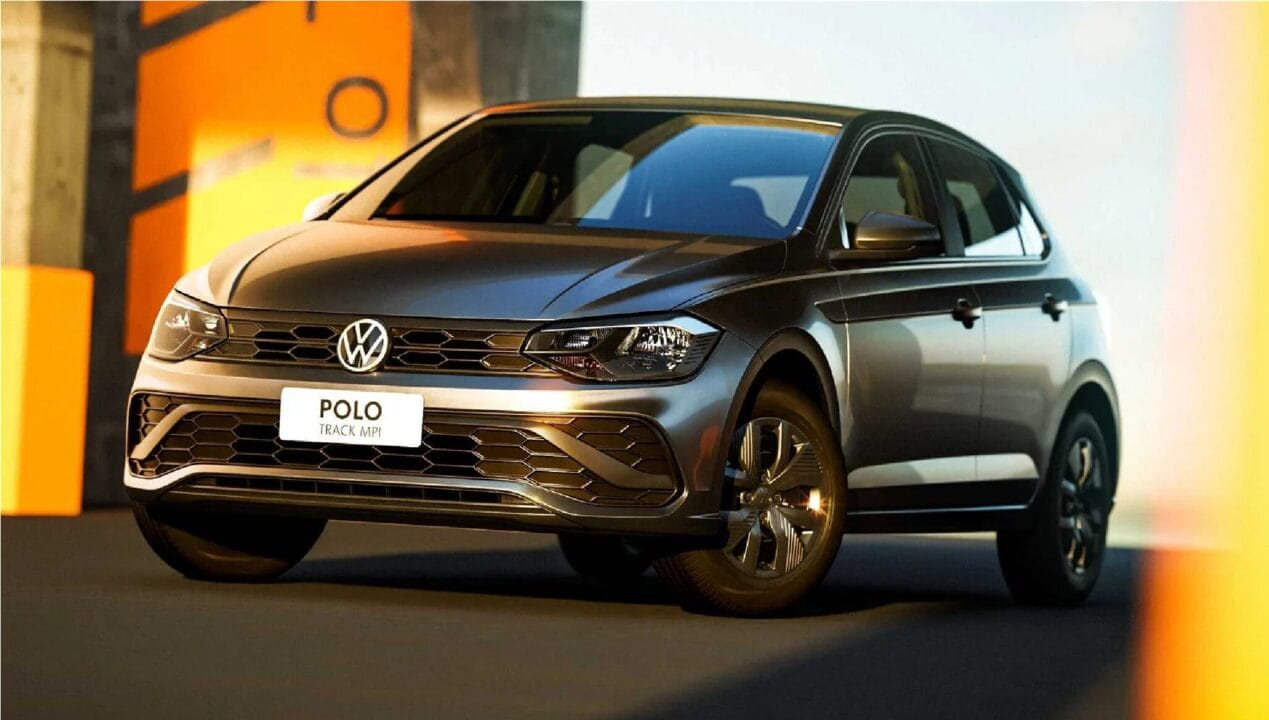

The Volkswagen Icon Is Undergoing Transformation! Check out the Changes the Polo Is Facing Globally in Its Production
The Volkswagen Polo, one of the brand’s most iconic cars, is undergoing significant changes in its production. While the car is no longer being manufactured in Europe, in Brazil it remains one of the public’s favorite cars, according to the website Garagem 360.
The decision by Volkswagen to discontinue the production of the Polo in Europe does not mean a definitive farewell to the model. The manufacturer opted to transfer production to South Africa, specifically to the VW South Africa (VWSA) Kariega Plant. This change aims to supply the European market from South Africa, making the plant one of the few in the world responsible for producing the Polo car.
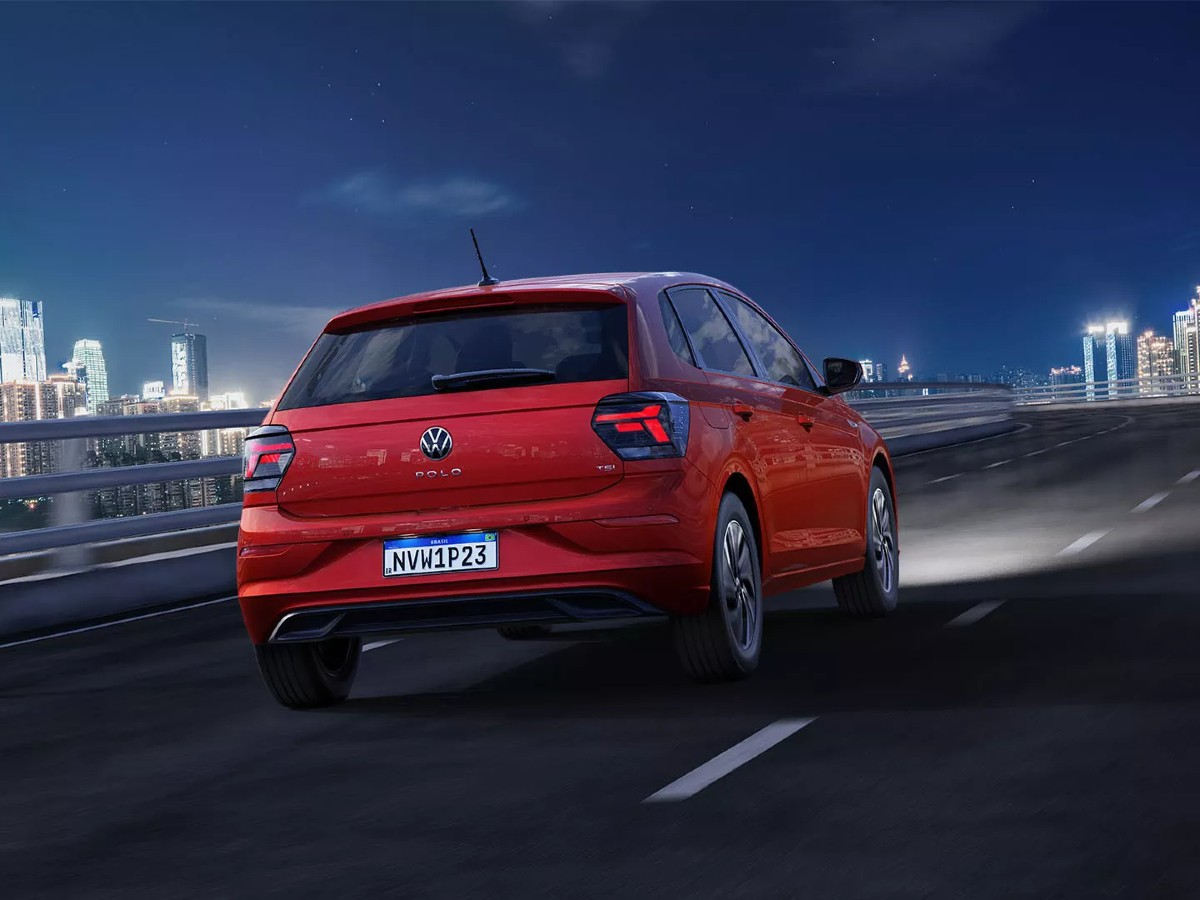
Photo: Freepik
-
Rolls-Royce Turns Heads with 30-Inch Floating Wheels, 6.6-Liter V12 Engine, and 563 Horsepower

-
2019 Kia Sportage EX: A Spacious and Cost-Effective SUV with 2.0 Flex Engine and Panoramic Roof
-
Fiat Strada Becomes Top Seller in June, Surpassing Onix, Polo, Hilux, and T-Cross with 107 HP Engine and 732 km Range.

-
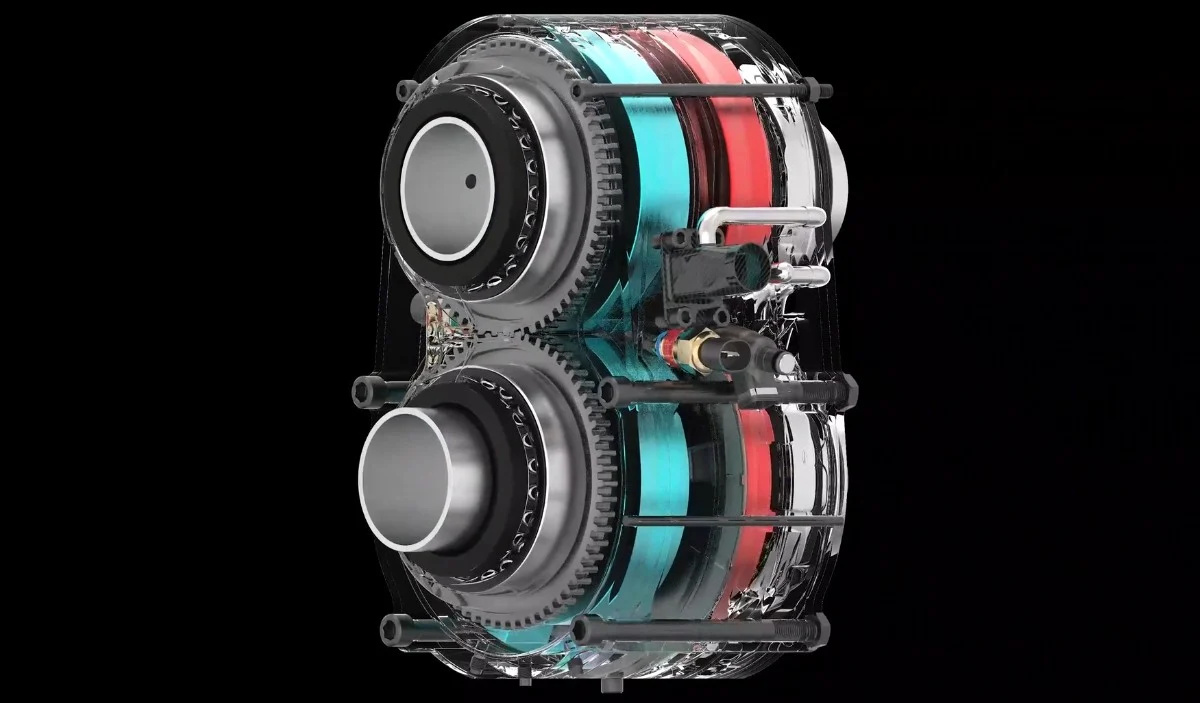
Suitcase-sized hydrogen engine spins at 25,000 rpm, nearly doubling the efficiency of conventional cars and replacing exhaust smoke with water vapor


Future of the Volkswagen Polo in Brazil
Despite the changes in European production, the Volkswagen Polo will continue to be sold in Brazil without alterations. Brazilian factories in São Bernardo do Campo and Taubaté continue to operate normally, ensuring supply to the national market.
For those interested in acquiring a Volkswagen Polo in 2024, prices start from R$ 90,990 for the entry-level MPI version. Check the prices for the other versions:
- TSI: R$ 101,990
- Sense: R$ 99,990
- Comfortline: R$ 111,990
- Highline: R$ 118,990
- GTS: R$ 151,490
Despite the changes in the production of the Volkswagen Polo in Europe, the model remains strong in Brazil, maintaining its popularity among consumers. The transfer of production to South Africa demonstrates Volkswagen’s global strategy to meet the demands of different markets, ensuring that the Polo continues to be one of the most beloved cars by Brazilians.