Portuguese
  Spanish




New Fuel Mixtures Increase Fraud Risks, According to the Legal Fuel Institute
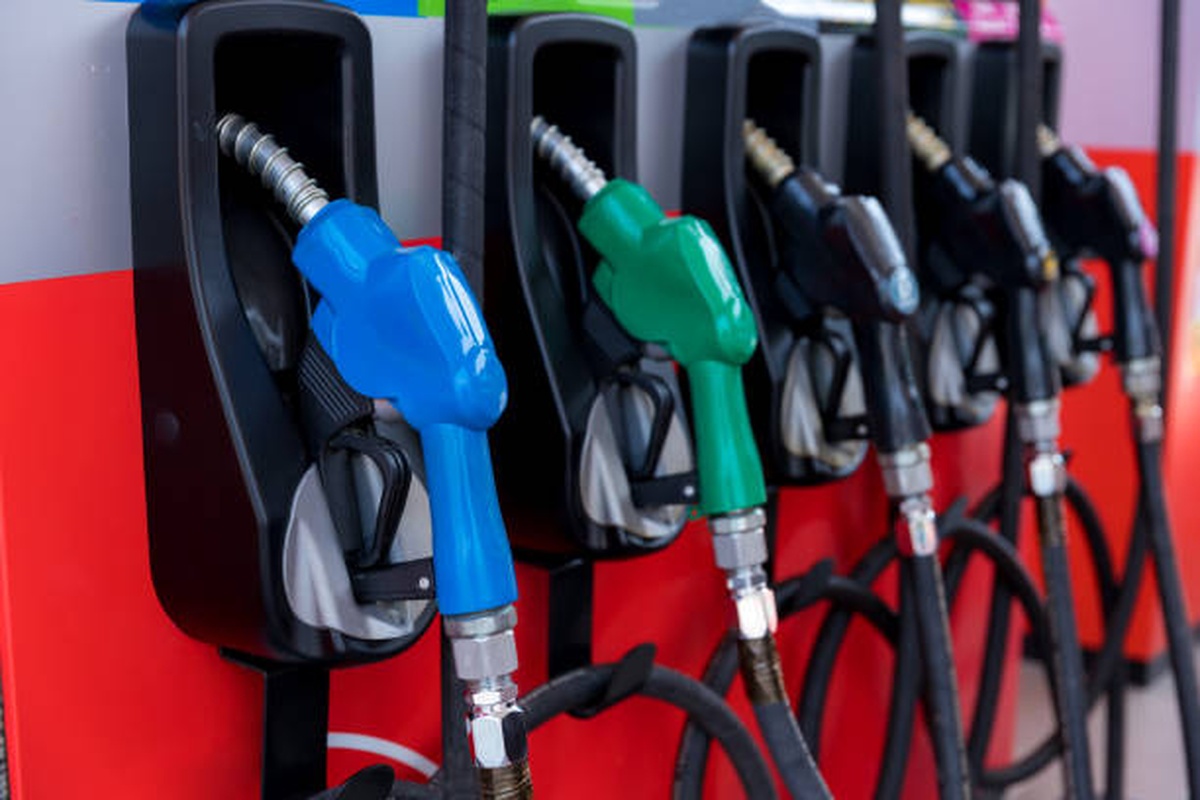
Starting on August 1, 2025, the mandatory new mixtures will come into effect: 15% biodiesel in diesel (B15) and 30% ethanol in gasoline (E30).
Although the measure aims to promote sustainability, it also raises a red flag in the sector.
The Legal Fuel Institute (ICL) highlighted the increasing risk of adulterations and fraud across the country.
Regions with Less Control Worry Experts
According to ICL President Emerson Kapaz, the Midwest, North, and interior of the Northeast regions pose the highest risks. In these areas, supervision is weaker and road transport of fuels facilitates diversions.
Moreover, the history of irregularities in these locations reinforces the sector’s alert for August.
Furthermore, according to ICL, the absence of effective monitoring benefits groups that profit from adulterations.
This scenario is likely to worsen with the new mixing standard if there is no coordinated response from regulatory agencies.
-
Brazil Advances with JetBio’s Megaproject to Build the World’s Largest Ethanol-Based Sustainable Aviation Fuel Plant, Aiming to Become a Global Exporter

-
Brazil on Track for Record 40.7 Billion Liters of Ethanol in 2026/27 Season, Driven by Corn Ethanol
-
Petrobras Approves $1.2 Billion Refinery in Brazil to Produce Aviation Fuel and Diesel from Plants
-
US$ 7 billion, green hydrogen, and steel with up to 95% less CO₂: the first green steel plant on the planet emerges in Sweden and targets Brazil as the next chapter



Adulterations Cause Damage to Vehicles and the Environment
Adulterations, besides being illegal, cause direct harm to engines, reduce performance, and increase maintenance costs.
The Institute emphasizes that fuels outside the standard also raise pollutant emissions.
Therefore, in addition to affecting consumers, this practice compromises the country’s environmental goals.
The fiscal impact is also significant. As ICL warns, the sale of adulterated fuels is linked to tax evasion, harming public finances.
The loss of revenue jeopardizes investments in infrastructure, transport, and security.
Sector Calls for Immediate Action from Authorities
Given the imminent risks, the sector demands urgent and integrated actions among ANP, Federal Revenue, Federal Highway Police, and state governments.
ICL advocates for a national task force, with special focus on the most vulnerable states.
Kapaz stresses that the sector is not opposed to the use of biofuels.
On the contrary, he reinforces that innovation is welcome as long as it is accompanied by robust oversight and operational transparency. For him, the quality of fuels must be a priority.
Road Logistics Challenge Quality Control
The predominance of road transport in the distribution of fuels in Brazil increases the challenge of oversight.
Tank trucks travel long distances without effective digital control, making the system vulnerable to fraud.
This point is considered critical by ICL.
Unlike countries such as Germany and the United States, where fuel transport follows strict logistical protocols, Brazil still relies on a structure that favors operational loopholes.
This reinforces the need for digiitalization of traceability, according to sector experts.
New Rule Starts in August and Requires Total Vigilance
The application of B15 in diesel and E30 in gasoline begins on August 1, 2025.
Thus, all agents in the production chain will need to adapt quickly.
Although the change is positive, it will require extra attention from distributors, gas stations, and consumers.
Moreover, quality control must be constant at all stages. According to Emerson Kapaz, society can also contribute decisively.
After all, reports and social oversight help reduce irregularities. In this way, the sector hopes that Brazil will move towards a cleaner energy model.
This will ensure greater trust without, however, opening space for illicit practices.