Portuguese
  Spanish


Community Reports Undue Pressure and Health Impacts
Since 2011, the wind farm project in Tiririca de Cima (BA) has generated tension.
Ana Paula dos Santos, a quilombola farmer against wind energy, has led the resistance since 2014.
She returned from São Paulo to the community and began to oppose the project’s impacts.
-
Billion-Dollar Winds Propel Wind Energy Growth in Brazil, Boosting Unprecedented Technical Workforce Development

-
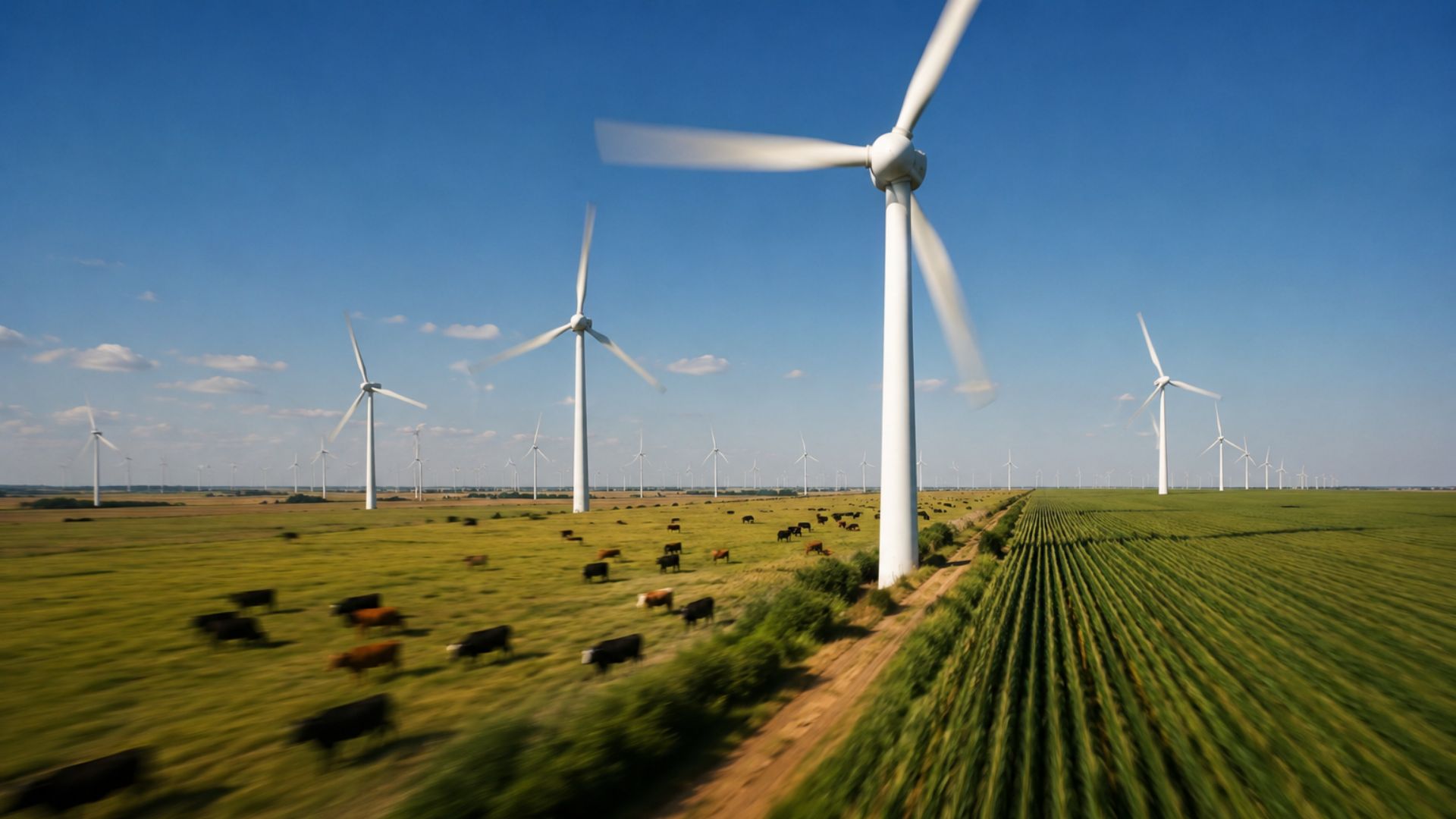
Brazil filled the Northeast with wind turbines but now faces the side effect of 705 giant blades reaching the end of their lifespan by 2032 just in Rio Grande do Norte, while the world projects 43 million tons of waste by 2050.
-
Brazil has filled the Northeast with wind turbines, but now it faces the side effect of 705 giant blades reaching the end of their useful life by 2032 just in Rio Grande do Norte, while the world projects 43 million tons of waste by 2050.
-
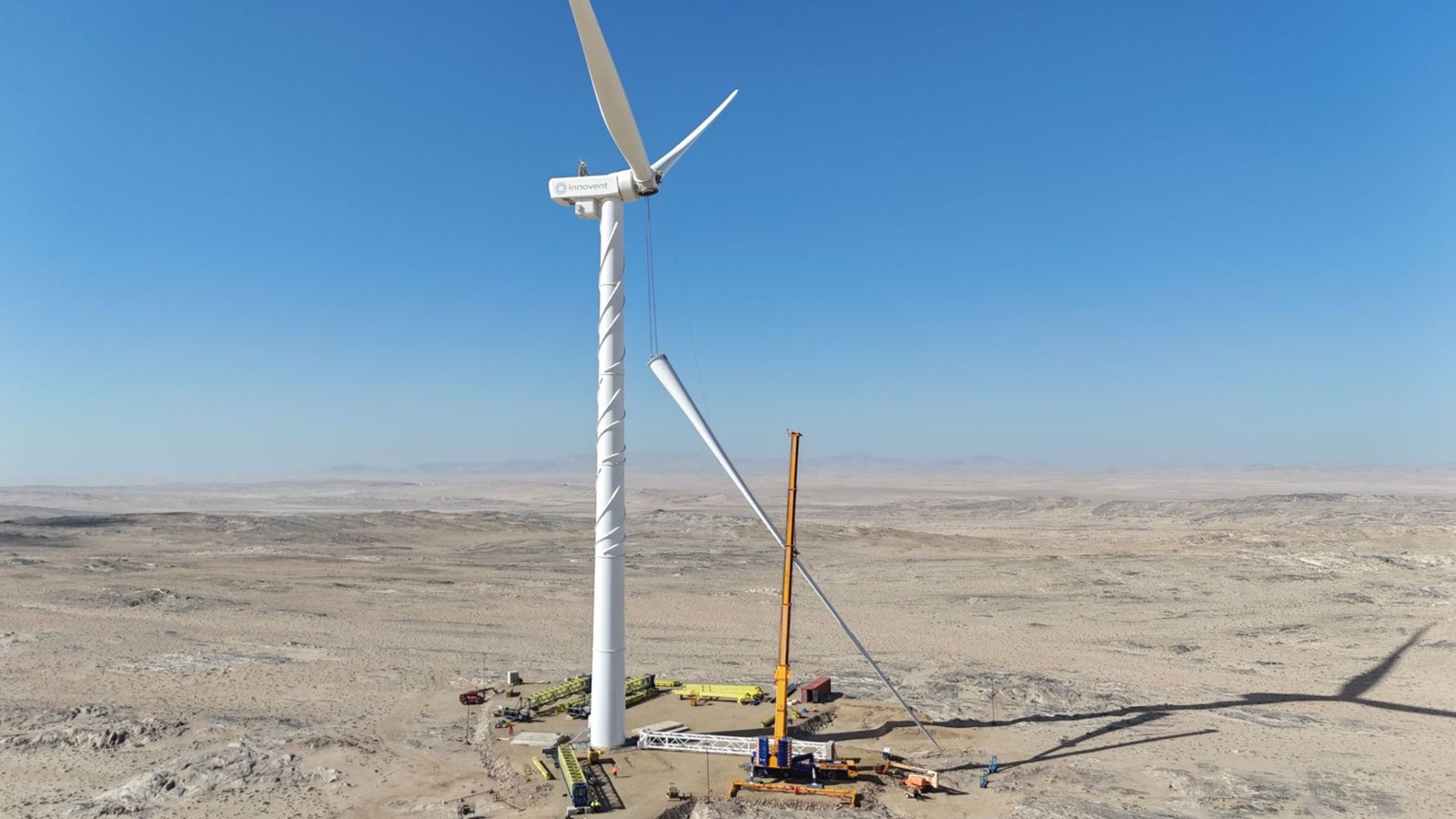
Wind farm in Namibia will have wind turbines assembled without giant cranes and is expected to avoid 200,000 tons of carbon dioxide per year when it becomes operational.


She denounces the lack of transparency since the beginning of the wind studies.
In 2023, environmental impacts and pressures on residents increased significantly.
With partial approval from Inema in 2024, the complex encroached on sensitive areas of the quilombola region.
The project plans to install 176 wind turbines in the community.
The expectation is that the venture will generate up to 739 megawatts of power on site.
CER Energia began offering leasing contracts to the residents of the region.
The initial payments are R$10 per hectare, with a future allocation of 1% of energy revenue.
The offer is only valid for those who agree to join the project and sign the contracts.
Proposals Were Rejected Due to Lack of Collective Dialogue
The president of the community association, elected in March 2025, interrupted all unauthorized visits from company representatives.
She also reported attempts at individual negotiations with vulnerable residents, without any type of collective mediation or prior consultation.
According to Ana Paula, there was no prior, free, and informed consultation with the community, as required by ILO Convention 169.
This international treaty was ratified by Brazil and stipulates that traditional peoples must be heard before any intervention.
Although the projects have been accepted in neighboring communities, Tiririca de Cima remains divided and has low adherence to the plan.
Even so, legally, the absence of collective consensus can invalidate the venture in areas recognized as traditional territories.
In particular, because the territory has been recognized as a remnant quilombo by the Palmares Cultural Foundation since 2007.

Health and Environmental Impacts Are Main Concerns
In addition to controversial contract clauses, residents warn about possible health damages with the installation of the wind turbines.
Studies conducted by the University of Pernambuco and Fiocruz in communities affected by wind turbines.
Among the recorded symptoms are insomnia, anxiety, and irritability, associated with the so-called “wind turbine syndrome” in rural areas.
Even more serious is the fear concerning the reduction of spring water volume in the region, used for family farming.
The springs supply local crops and livestock, sustaining the rural production of the quilombola community for decades.
The project itself overlaps more than 92,000 hectares of native vegetation with fragile biomes.
Thus, the consequences could directly affect the traditional way of life and local ecological systems.
Abusive Clauses Intensify Climate of Threat and Fear
The contracts presented by the responsible company contain clauses that waive the right to legally contest any present or future damage.
The representatives instruct residents to sign without reading. They make vague promises and do not offer legal assistance.
In one of the meetings, the company’s land administrator allegedly said that the signature was just “pro forma” and had no legal value.
However, refusal would result in exclusion from verbally promised benefits and cut off access to community resources.
Ana Paula also reported that, in one of the documents, there was an item called “gag clause,” demanding absolute silence after the agreement.
Company Denies Irregularities and Claims to Respect Rights
Although tension remains high, the conflict continues unresolved, as reported by field interviews conducted by social and community organizations.
Meanwhile, a group of citizens has contacted the Public Ministry of Bahia and subsequently requested an investigation into contractual abuses and human rights violations.
On the other hand, the situation remains under analysis and receives constant media attention, as well as from environmental entities and advocates for traditional peoples.