Portuguese
  Spanish



During AgriZone COP30, Embrapa and Ministries Present New Solutions in Sustainable Agriculture in Brazil, Highlighting Productive Integration, Soil Conservation, and Food Security in the Face of Climate Change
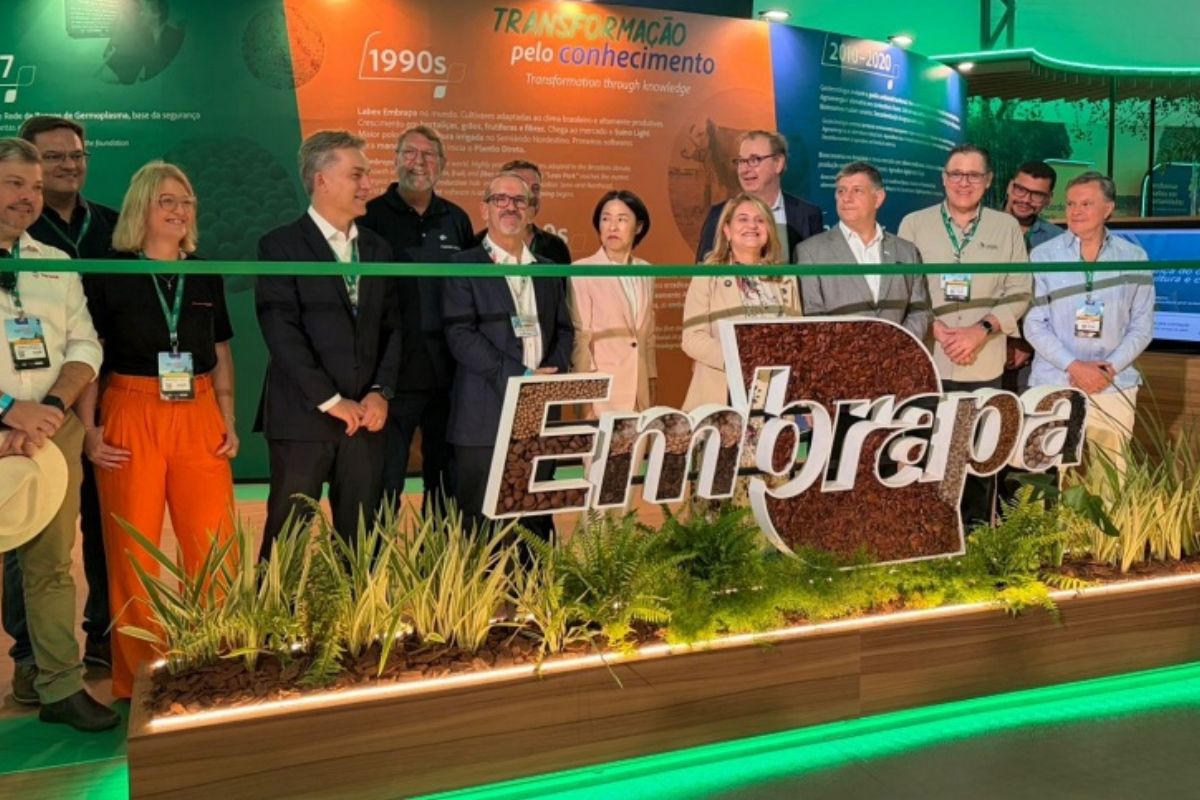
Sustainable agriculture in Brazil assumes a strategic role in the international climate agenda, especially after the opening of AgriZone COP30, on the last day of November 11, in Belém (PA), according to a report published.
The event, hosted at Embrapa Eastern Amazon, marks a new cycle of dialogue between science, public policies, and producers.
The initiative, led by Embrapa and the Ministry of Agriculture and Livestock (Mapa), with support from MDA, MDS, and MPA, will operate until November 21 as a free and open space to the public.
-
At 35, Lawyer Leaves Corporate Career to Turn 1-Hectare Farm into Organic Supplier for Schools in Southern Brazil

-
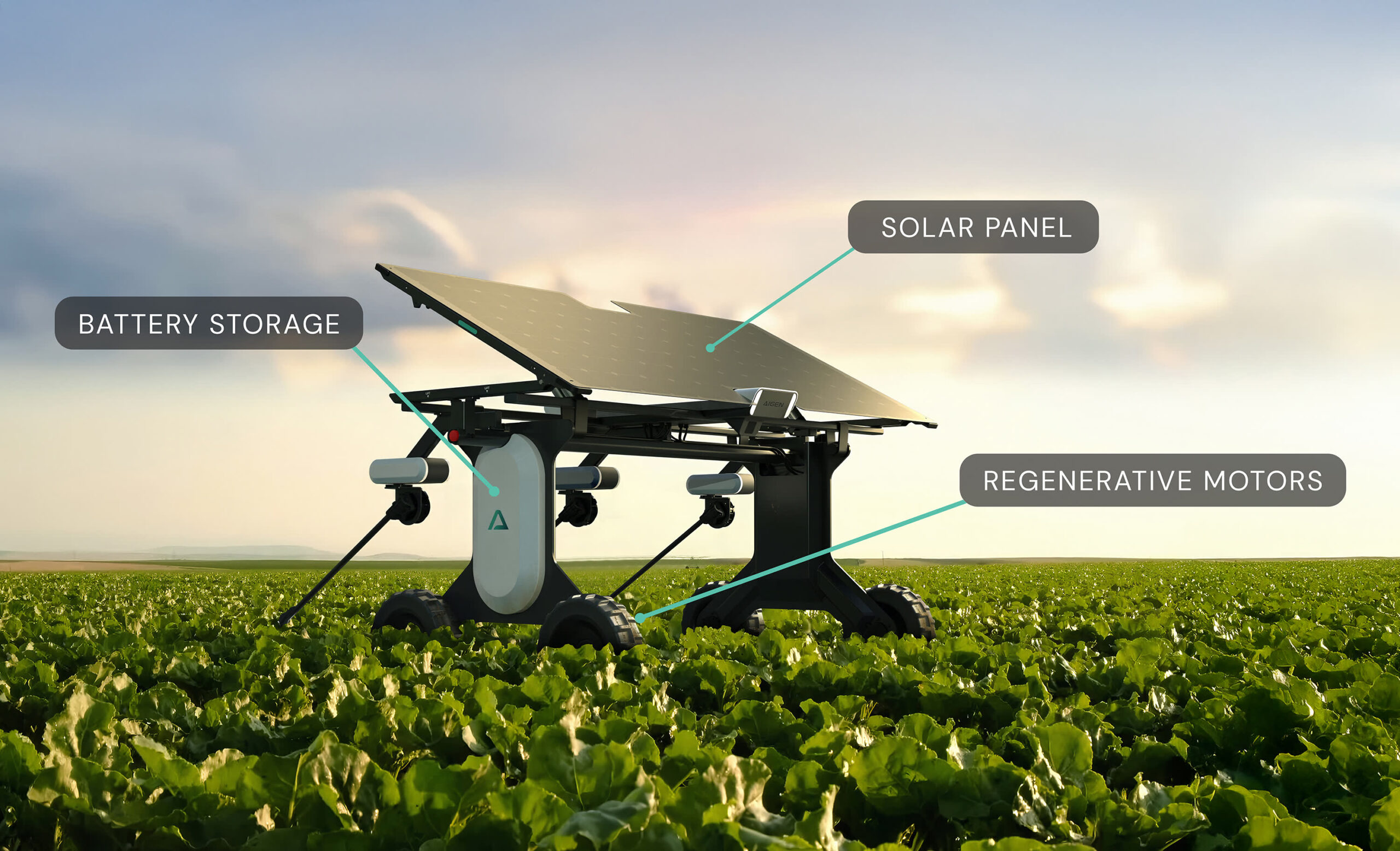
Solar-powered agricultural robots operate 24/7, remove weeds with 8mm precision, and aim to cut herbicide use without fuel consumption in the fields.

-
Brazilian Farmer Invents Low-Cost Tractor Using Motorcycle Parts, Efficiently Working 2 Acres on 1 Liter of Diesel

-
Regenerative Farmers Use Keyline Plow to Improve Pasture Hydration, Storing 1 Gallon of Water Every 30 Centimeters



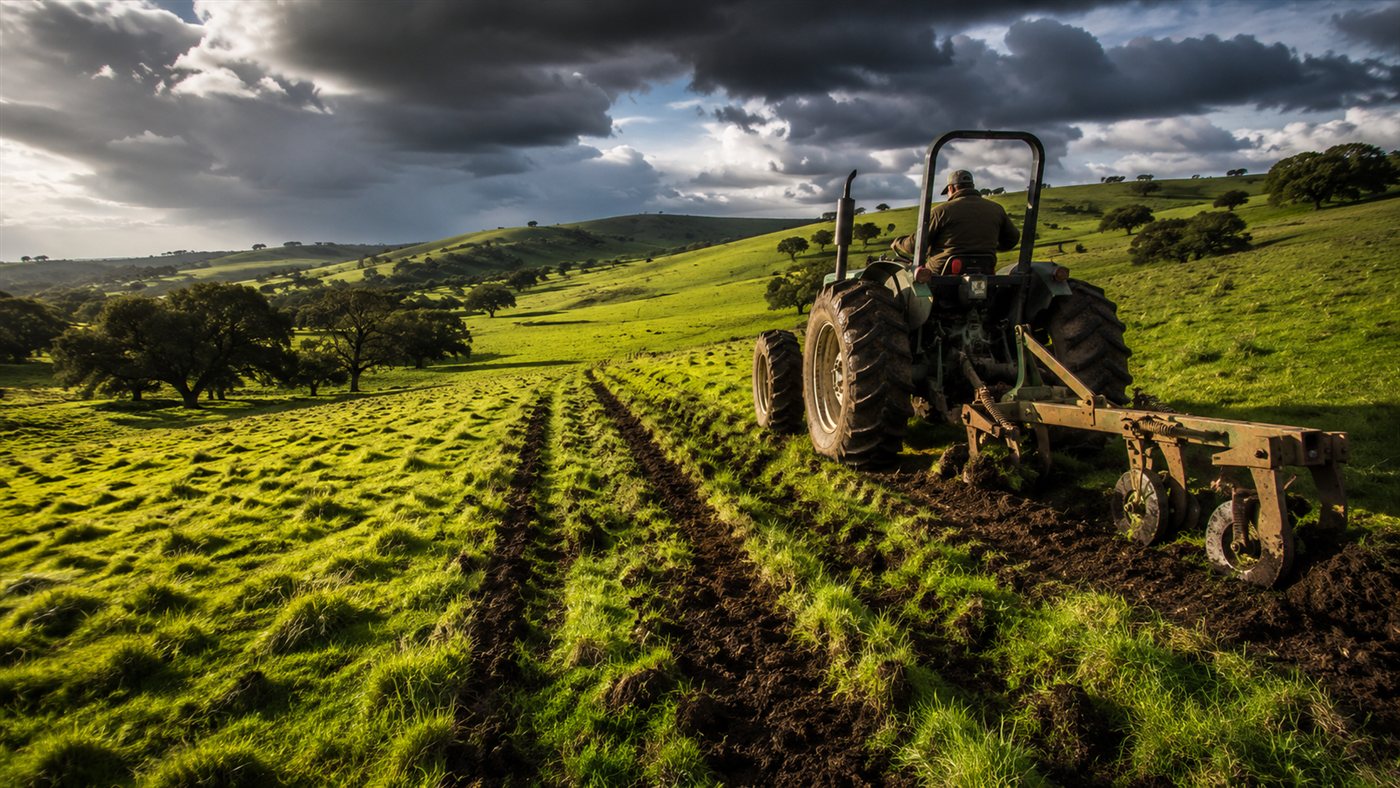
Its goal is to bring innovation and the field closer together, showing that scientific knowledge is a driver of sustainability and productive inclusion.
The ceremony featured Embrapa’s president, Silvia Massruhá, who highlighted that the country feeds about 1 billion people worldwide and reaffirmed the importance of transforming research into practical results for family farmers, especially the most vulnerable to climate effects.
Low-Carbon Agricultural Technologies Drive Efficiency and Reduce Emissions
Embrapa’s leadership in promoting sustainable agriculture in Brazil was evident with the presentation of solutions aimed at the productive chains of soy, coffee, and milk.
These chains already adopt low-carbon protocols that reduce greenhouse gas emissions and increase the product’s added value.
According to Secretary Marcelo Fiadeiro, Brazil maintains its leadership in providing food for around 1 billion people, but the challenge now is to balance productivity and sustainability.
Among the technologies showcased are the “Sisteminha,” which transforms backyards into low-cost productive units, and agroforestry systems, such as the combined cultivation of açaí and bacuri, which stabilize annual income and conserve soil.
Another highlight was the Agricultural Risk Climate Zoning (ZARC), a tool that guides planting in safer periods, avoiding losses due to droughts or floods and contributing to the climate planning of crops.
Family Agriculture and Sustainable Innovation Strengthen Inclusion and Income
The appreciation of sustainable agriculture in Brazil also depends on the strength of family agriculture.
At AgriZone, this segment received special attention from agencies such as MDA and MDS, reinforcing that innovation only has value when it improves people’s lives.
Secretary Fernanda Machiaveli emphasized that small producers are the most impacted by climate change, even though they are the least emitters.
Targeted credit and technical assistance programs are essential for ensuring that technologies reach those who need them most.
Silvia Massruhá noted that the “Sisteminha” is an example of social technology that enhances income and promotes food security.
Minister Wellington Dias, in turn, highlighted that Embrapa’s knowledge is essential to remove Brazil from the hunger map, integrating science and public policies in favor of sustainable production and social justice.
Soil and Water Conservation Practices in Integrating Crops, Livestock, and Forest Expand Food Security and Face Climate Change
The experiences of Embrapa Rice and Beans demonstrate how sustainable agriculture in Brazil requires a balance between productivity and environmental control.
In the management of irrigated rice, intermittent irrigation reduces methane (CH₄), while controlling nitrogen fertilization helps minimize nitrous oxide (N₂O).
The use of nitrification inhibitors and controlled-release fertilizers requires precision and continuous monitoring.
These practices, combined with direct planting and crop rotation, strengthen carbon sequestration and soil quality.
The integration of crops, livestock, and forest, associated with meliponiculture and beekeeping, adds value and restores degraded areas.
Such strategies enhance climate resilience and demonstrate that food security and climate change are interconnected challenges, surmountable through applied public science, objective metrics, and sustainable management of each agricultural plot.