





 Portuguese
  English
  Spanish
  2 min of reading


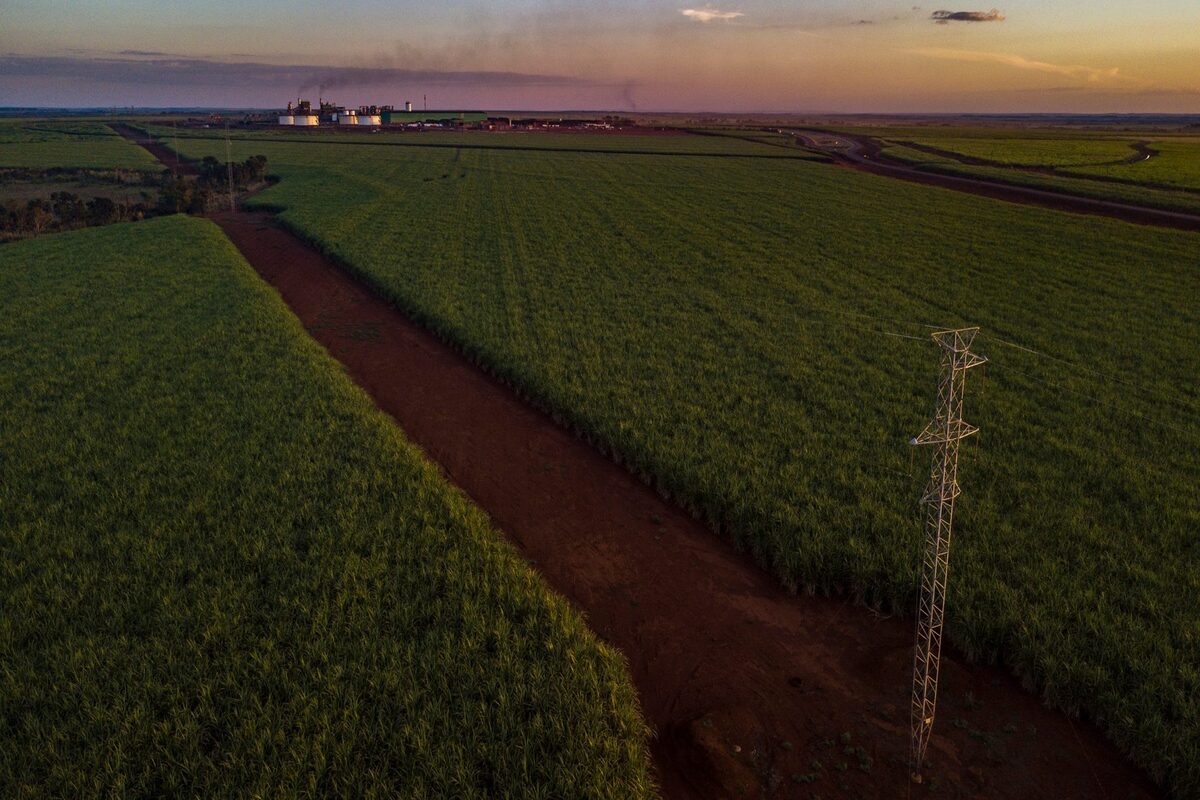
BP Bunge, A Joint Venture Between BP and Bunge in Brazil, Announced on Monday That It Will Gradually Eliminate the Use of Mineral Fertilizers in Its Sugarcane Fields by 2025, the Sugar and Energy Company Reported.
However, the company will have to increase the use of biological alternatives that will be developed by the Brazilian Agricultural Research Corporation (Embrapa).
This measure, which comes after a rise in agricultural nutrient prices worldwide, is expected to eliminate the use of chemical fertilizers, including those from the “NPK” groups, which consist of nitrogen, phosphorus, and potassium, said BP Bunge.
Brazil, which is a major producer of sugar, coffee, soybeans, corn, and other commodities, is also one of the largest importers of fertilizers.
-
The largest highway concession company in Brazil already belongs to an Italian group, and now the railway sector may be next to receive billions in investments from Italy amid the progress of the Mercosur and European Union agreement.

-
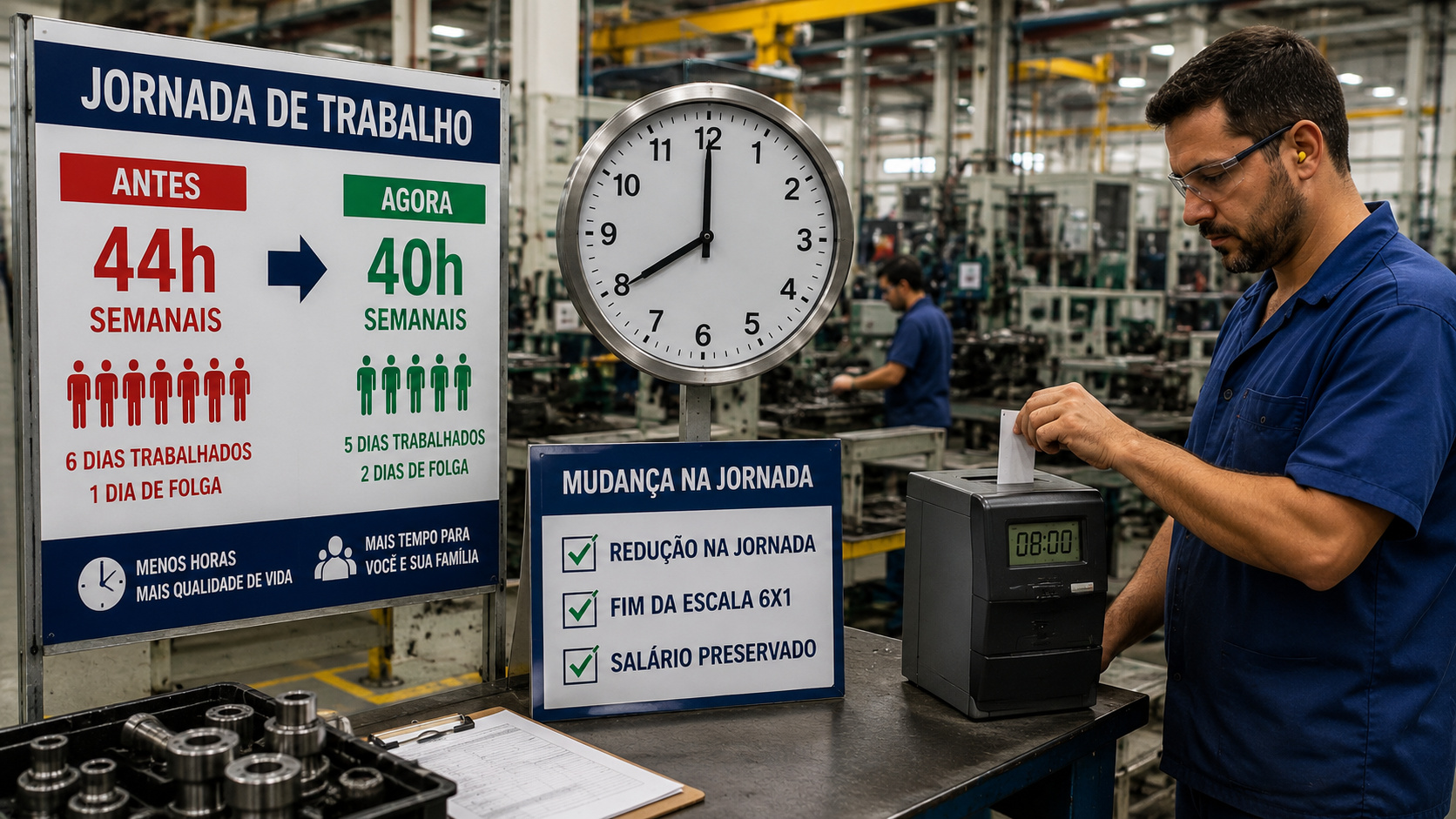
Work less and earn the same? PEC discussed by Lula and Hugo Motta affects the 6×1 schedule and reignites the debate on working hours, days off, and salary in Brazil.

-
Companies from Ceará generate billions and dominate Brazil without many people noticing, with giants born in the state such as Hapvida, Pague Menos, M. Dias Branco, and Três Corações totaling almost R$ 104 billion in revenue just in 2024.
-
Santa Catarina leads national production in 12 agribusiness chains and dominates more than 50 segments ranging from apples to oysters and from pork to knit fabrics. The state consolidates its position among the five largest producers in Brazil in almost everything it produces.



In the 2022/2023 sugarcane harvest, which ends in March, BP Bunge reported it managed to stop using nitrogen fertilizers on about 100% of its sugarcane planted area, which is approximately 50,000 hectares.
The company also added that the replacement of mineral fertilizers has allowed an increase in sugarcane productivity between three and ten tons per hectare.
BP Bunge claims that the initiative has also increased plant longevity by two years and reduced the amount of potash the company would purchase from the market by up to 80%.
“The collected results, with the substitution of mineral fertilizer, demonstrate an increase in productivity of the sugarcane field in the range of 3 to 10 tons per hectare, as well as increasing longevity by two years and reducing the amount of potash purchased from the market by up to 80%,” explains BP Bunge Bioenergy’s Agricultural Director, Rogério Bremm.
By the end of this year, seven units of the group will be equipped with enrichment equipment, such as trailers and tanks that function as dispensers for compost enrichment.
According to them, cattle and poultry waste are sources of nutrients and also assist in the balance and enrichment of the organic compound resulting from the mixture of filter cake with ash. This composting helps increase production by replacing a chemical product with biofertilizers, further improving soil conditions from 10 to 15 tons per hectare.
This harvest, 9,000 hectares of BP Bunge Bioenergy have already been utilized with the mixture. By 2025, all planting should incorporate these additional compounds, completing a cycle of planting with biofertilizers.
“The sustainable use of sugarcane, primarily from its by-products, promotes an increasingly clean and regenerative agriculture. In this sense, BP Bunge Bioenergy is taking the lead with large-scale practices,” emphasizes Rogério Bremm.






Be the first to react!