Portuguese
  Spanish


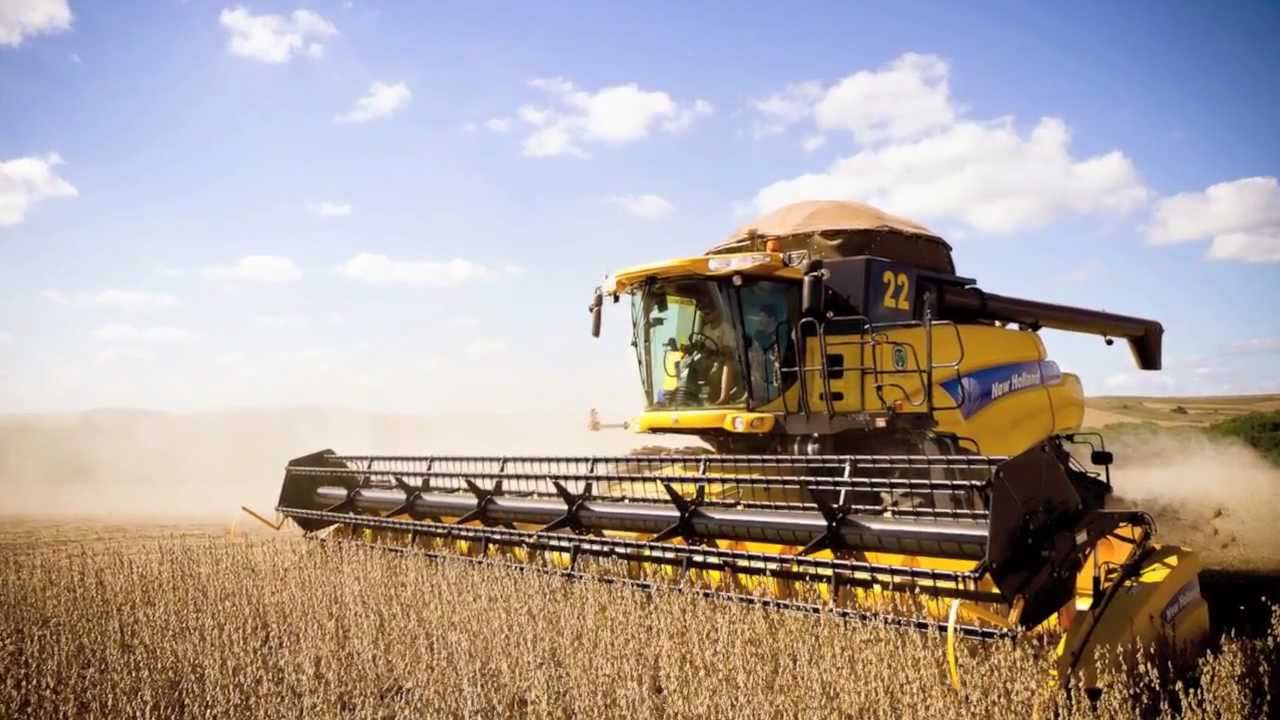

Brazil harvested and will harvest more grains in the summer harvest in the year 2022 and 2023 than its total storage capacity. With the occurrence of the jump in soy production, it is leading the country to a situation that has not happened since 2003, which raises an alert for the historical silo deficit and possible more accentuated impacts for the arrival of the winter harvest, especially corn.
In the second harvest, corn alone is estimated to exceed 96.3 million tons, increasing the storage deficit and thus causing greater delays in the removal of grains from the fields and in the flow. “It is possible that at the peak of the soy harvest, in the second half of February and March, we will have the old difficulty of not finding warehouses; it might be a bit worse this year,” commented Conab’s Storage Superintendent Stelito dos Reis Neto to Reuters.
“But the concern I see now is not with the first harvest, because we have already had tight numbers for a long time. The concern is with the second harvest; there will be more product waiting in the field to enter the warehouse,” he declared. The storage capacity means that this producer can even store products like soy and corn for sale at better prices, avoiding the seasonal pressure of harvests on the market.
These large harvests also further tighten Brazil’s storage at times when even the government signals changes in agricultural policy, which may lead to the resumption of purchases for the formation of public stocks.
-
Brazilian Workers and Instructors to Train in China on Electric Car Technology Ahead of New Factory Opening in Brazil

-
Viral Message Claiming Government Will Deposit Money for Registering CPF as Pix Key Debunked

-
In China, a 26-story building produces 1.2 million pigs annually, revolutionizing livestock farming with tube feeding and AI surveillance.
-
With Nearly 60% Desert, Israel Desalinates Seawater and Recycles 90% of Wastewater to Build a Billion-Dollar Agricultural Powerhouse in Dates and Cotton


Brazil experienced a similar situation in the last season projected for 2022 and 2023 due to a soy harvest failure in the drought of the South, causing the country to miss out on about 20 million tons of the oilseed. The entire nation harvested just over 161 million tons in the previous cycle (2021 and 2022), while its capacity was over 187.69 million tons. “The national situation differs from other large agricultural producers. The United States, a competitor of Brazil in corn and soy exports, can store more than a full harvest,” said the Conab superintendent.
Paulo Polezi, CFO of Kepler Weber, a leader in post-harvest agricultural equipment in Latin America, continues to emphasize “especially” the importance of expanding storage capacity in our country. Without that, large farmers may lose a “great opportunity to increase gains from production.”
“Additionally, due to the lack of sufficient regulatory stocks in the country, there is a need to transport large volumes of grains simultaneously, which overloads the logistics system, inflating freight costs,” he pointed out. A recent study conducted by the Abimaq association, cited by Polezi, shows that around R$ 10 billion in investment in storage infrastructure would be needed over ten years to eliminate the entire deficit. He also noted that the available financing for such investments would have been “insufficient” to keep up with the entire growth.