Portuguese
  Spanish


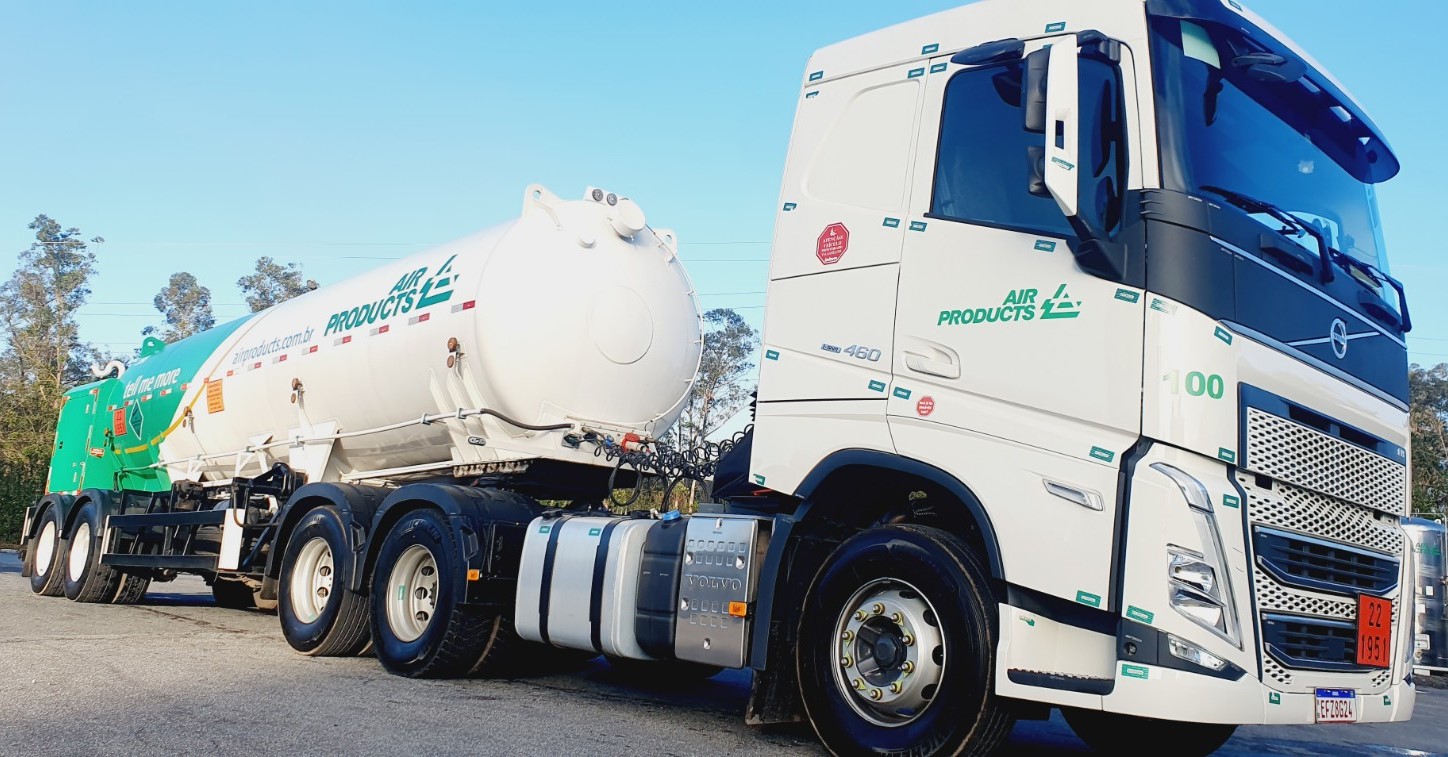

Safety-Focused Technology Has Been a Priority for the Company, Which Now Operates Smart Trucks to Monitor and Enable Safer Transportation During Trips
São Paulo, June 2022 – On June 30th, the Truck Driver’s Day is celebrated in the State of São Paulo, a profession of extreme importance in Brazil, considering that according to the Brazilian Association of Highway Concessionaires (CBCR), 65% of all freight transport in the country is carried out through road transport.
To enhance safety for truck drivers, reducing the accident rate involving trucks, which account for about 15% of traffic incidents in Brazil, the smart trucks have been equipped with technologies that increase driver safety.
With the aim of saving lives, ensuring that freight deliveries are made within established deadlines, and avoiding losses from incidents on the roads, companies are increasingly investing in technology, with embedded intelligence and vehicle autonomy.
-
Fiat Cronos Precision 2018: Affordable Sedan with Spacious Trunk and Reliable Maintenance

-
Volkswagen to Cut Production by 1 Million Cars by 2030, Reducing Jobs and Platforms, Focusing on More Profitable Models

-
Toyota Launches First 100% Electric Car in Brazil: bZ4X with 343 HP, All-Wheel Drive, 361 km Range, Priced at $419,990 BRL, Limited to 99 Units

-
Chinese SUV Achieves 24.4 km/l, Outperforms Toyota Yaris Cross in Real-World Tests with 224 hp Hybrid System, Offers 51-Liter Tank for Greater Range, and Costs Up to R$ 5,000 Less.


Air Products is one of these companies, which has been betting on technology focused on significantly increasing the safety of drivers and all those involved in the transportation and delivery operations of goods to clients. To this end, it maintains in its operations Volvo FH trucks, among the safest produced in the world.
The Volvo FH trucks acquired by Air Products contain the following main safety features: survival cell, airbag, electronic braking system with automatic emergency activation, emergency braking warning, proximity sensor, automatic stability control, increased visibility through side and front mirrors, LED headlights, blind spot camera, lane departure sensor, and telematics, among others. In addition to these items, Air Products has installed additional safety features across the fleet, such as fatigue and distraction cameras that operate through an artificial intelligence system, as well as cameras with sensors for reverse maneuvers.
“In our Brazil fleet, we have trucks with the highest safety technology available globally, meeting the highest safety standards established in North America and Europe,” says Anderson Moura, Distribution and Fleet Maintenance Supervisor for Brazil & Argentina at Air Products.
In Air Products’ fleet, the Volvo FH vehicles are hooked up to cryogenic trailers for the transportation of liquid oxygen, nitrogen, argon, and carbon dioxide, as well as gaseous hydrogen and helium. With all the safety features installed in these trucks, drivers find the necessary conditions to work safely and effectively.
Source: Engaje! Intelligent Communication