






 Portuguese
  Spanish


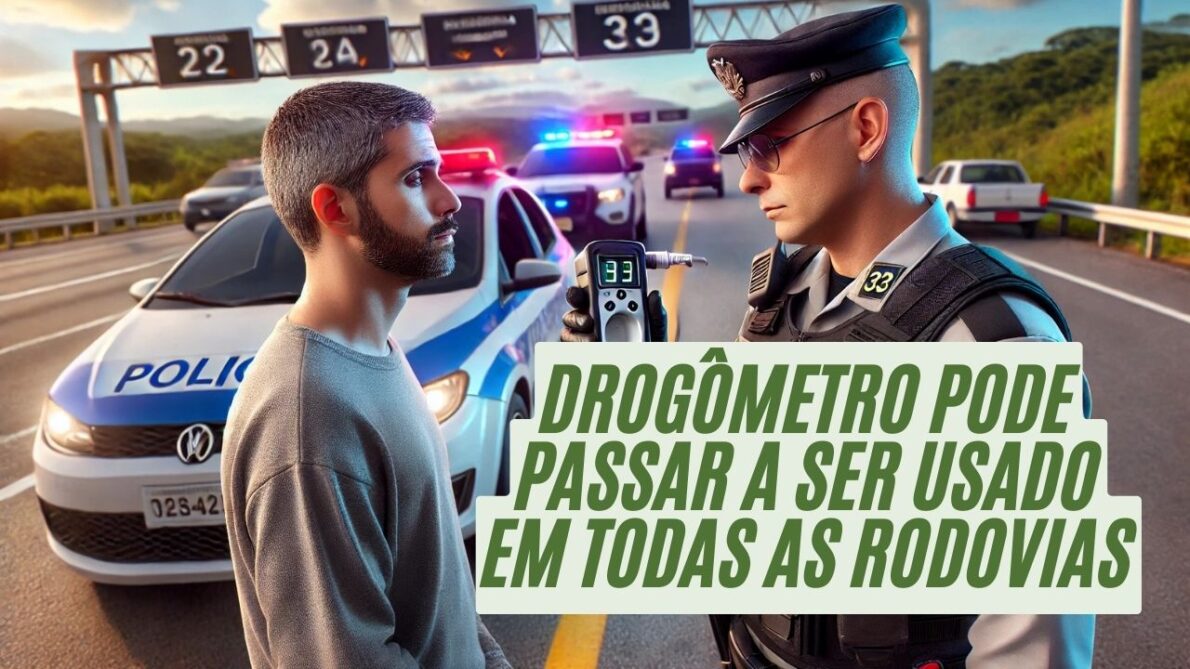

Imagine a traffic situation where any trace of alcohol or psychoactive substance does not go unnoticed! This is the scenario that the new bill 2845/24 promises to make a reality by proposing the mandatory use of devices such as the drug tester on highways across the country. With the analysis underway in the Chamber of Deputies, the proposal aims to update the Brazilian Traffic Code to allow oversight and accident registration agencies to use both the well-known breathalyzer and the drug tester to enhance safety on national roads.
Currently, the Traffic Code does not explicitly provide for the use of these devices, merely indicating that drivers may be subjected to tests, exams, or inspections when necessary. Congresswoman Missionary Michele Collins (PP-PE), author of the bill, argues that the inclusion of the drug tester represents a significant advancement for traffic safety in Brazil. “This is an initiative that aligns with other measures aimed at making traffic a safer space for drivers, pedestrians, and vehicles,” said the legislator.
How The Drug Tester Works
Like the breathalyzer, which detects the presence of alcohol in the body, the drug tester is a portable device capable of identifying various psychoactive substances in drivers. With a simple test, the device detects drugs like marijuana, cocaine, and other substances that impair attention and reflexes while driving.
This equipment is already used in other countries as a preventive measure on highways, and its introduction in Brazil is seen as an important advancement in the fight for traffic safety.
-
Brazil’s 2026 Tax Refund: Record 9.58 Million Filers in Largest Payout Ever, But a Key Detail on Priority Recipients Draws Nationwide Attention

-
Itaú Alters Hybrid Work Model, Increasing Office Days from 2028, Prompting Employees to Adjust to New Routine
-
Facing Labor Shortage, Japan Plans to Invest $34 Million to Attract Foreign Workers in Construction, Healthcare, Industry, and Commerce

-
Brazilian City Makes Remarkable Leap, Becomes 4th Wealthiest in the Country with GDP of R$ 134.1 Billion




Partnerships and Agreements
To enable the use of drug testers, the bill provides for the National Traffic Council (Contran) to establish agreements with states, municipalities, and the Federal District to acquire the devices. This partnership model aims to decentralize responsibility and facilitate the implementation of new tests, allowing more inspection points to have this technology.
Safety For All
The use of the drug tester, as proposed by the bill, arises at a time when traffic safety has been an increasing priority in public policies. Accidents related to drug use while driving are a global concern, and experts point out that the inclusion of this equipment on national highways can save lives by reducing incidents caused by drivers under the influence of psychoactive substances.
With the advancement of this bill and its potential approval, Brazil is preparing to take a step forward in building a safer traffic environment for everyone.








