Portuguese
  Spanish


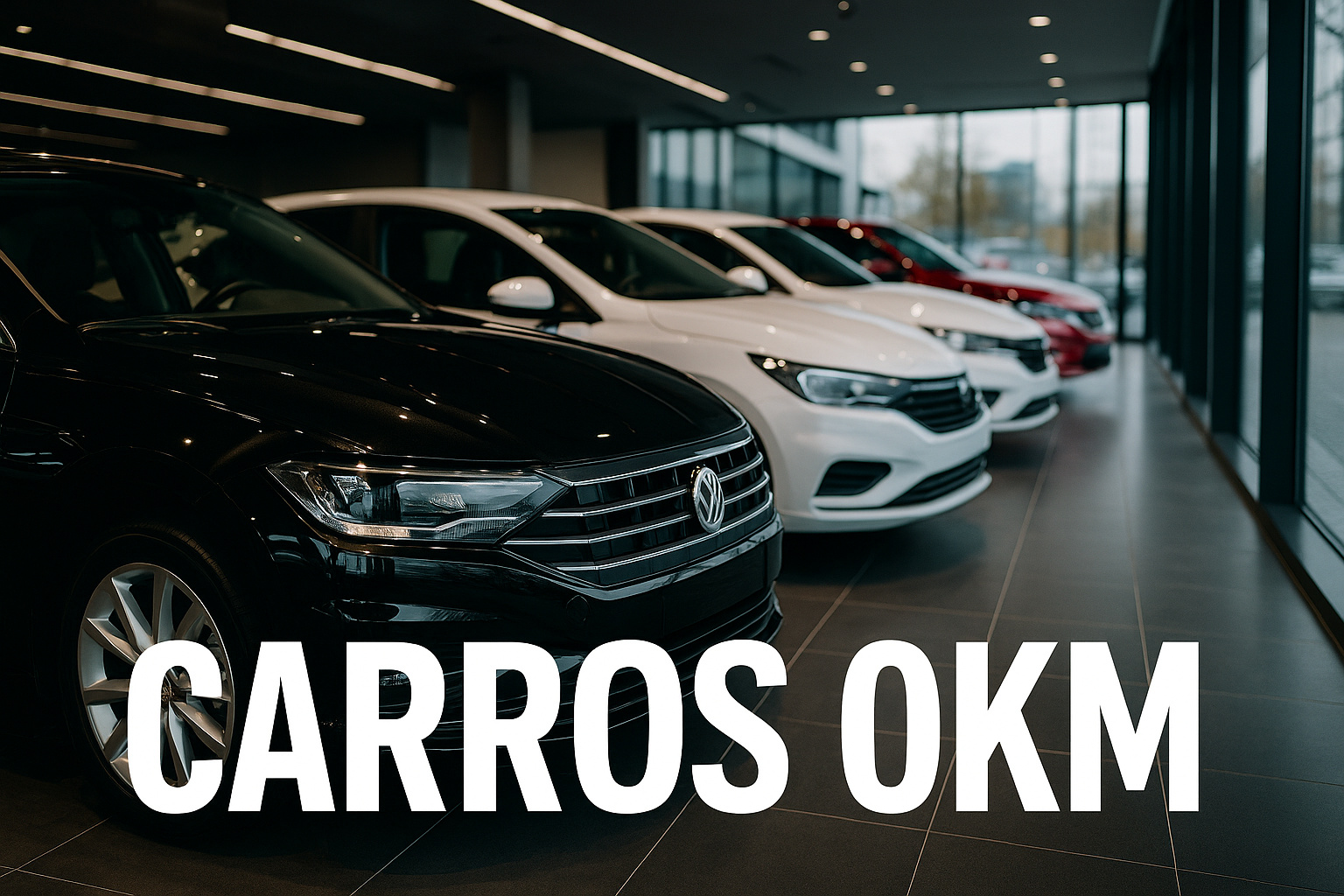


Car Sales 0km May Fall In Brazil In 2026; Consultancy Forecasts Drop And Explains Factors That Will Impact The Consumer.
Car Sales 0km May Decline In 2026
The Brazilian automotive market is preparing for a retraction scenario. The consultancy K.LUME predicts that sales of 0km cars in Brazil may fall 6% in 2026, reaching around 2.4 million units.
The projection considers changes in consumer behavior, economic effects, and global events. Therefore, the sector is already operating on alert.
Additionally, the consultancy highlights that 2025 will still have a positive result, with a forecast of 2.55 million vehicles sold, an increase of 2.5% over 2024.
-
Classic Volkswagen Beetles of Brazilian Presidents to Swap Museums in Historic Partnership

-
British Factory Transitions from Mechanical Parts to Producing 420,000 Electric Power Units Annually, Supplying 70% of Ford’s Electric Cars Sold in Europe
-
Toyota Shifts from Hybrid Cars to Electric Air Taxis with Joby’s 6-Rotor Aircraft, Capable of 322 km/h, Aiming for Mass Production to Electrify Urban Skies

-
Ferrari Unveils Limited Edition 12Cilindri Manuale: 6.5-Liter V12, 830 HP, 0-100 km/h in 2.9 Seconds, Top Speed Over 340 km/h, Only 1,499 Units Available


Automotive Market Advances In 2025, But Slows Down After
Between January and September of this year, the automotive market registered a growth of 3.2%, with 1,806,568 registrations. Meanwhile, the same period in 2024 had 1,751,087 units sold.
In other words, the sector is growing now. However, according to the consultancy, the future may bring caution and less demand for 0km cars.
High Interest Rates And Limited Credit Affect The Consumer
According to Milad Kalume Neto, partner at K.LUME, three pillars define the health of the sector: vehicle prices, interest rates, and access to credit.
“Prices will be high, interest rates elevated, and the release of credit by financial institutions restricted — in better conditions than in 2025, but still far below the best times,” says Kalume.
Thus, the consumer faces more difficulty in financing 0km cars. Furthermore, the consultancy projects price adjustments following inflation, without significant declines.
Therefore, even without large increases, the cost-benefit remains unfavorable for those dreaming of a new car in Brazil.
High Dollar Pressures The Cost Of 0km Cars
Additionally, the exchange rate is expected to remain a critical point. When the dollar rises, imported components — and even complete models — become more expensive.
Consequently, manufacturers face pressure on costs, reducing margins and limiting price cuts.
Elections And World Cup Are Expected To Impact The Consumer
Another relevant factor for 2026 involves the presidential elections.
According to consultant Máia Màrtins, election periods increase uncertainties.
“During presidential election periods, the dollar tends to be historically unstable. The potential maintenance of the currency at high levels will directly impact vehicle prices,” explains Màrtins.
Thus, both investors and consumers tend to postpone purchases. And, as the average ticket of a 0km car exceeds R$ 152 thousand, any instability weighs even more.
Additionally, 2026 will have the World Cup. And, although the atmosphere of optimism may boost some sectors, the consumption of expensive goods usually slows down.
6% Drop In The Automotive Market Becomes A Likely Scenario
With all these factors, the consultancy points to a clear picture.
“With all these elements on the table, a possible scenario is a retraction in the volume of registrations for 2026 by about 6%,” concludes Kalume.
Therefore, dealerships, manufacturers, and consumers must prepare. The search for cost-benefit increases, while the automotive market needs to reinvent conditions, models, and strategies in Brazil.
Conclusion: More Cautious Consumer And More Competitive Sector
In summary, Brazil is heading towards a moment of adjustments:
- Less credit
- Still high interest rates
- Unstable dollar
- Elections
- World Cup
Thus, the consumer should rethink purchases and better evaluate the cost-benefit of 0km vehicles. Meanwhile, brands will need to offer better prices and more technology to attract customers.