Portuguese
  Spanish


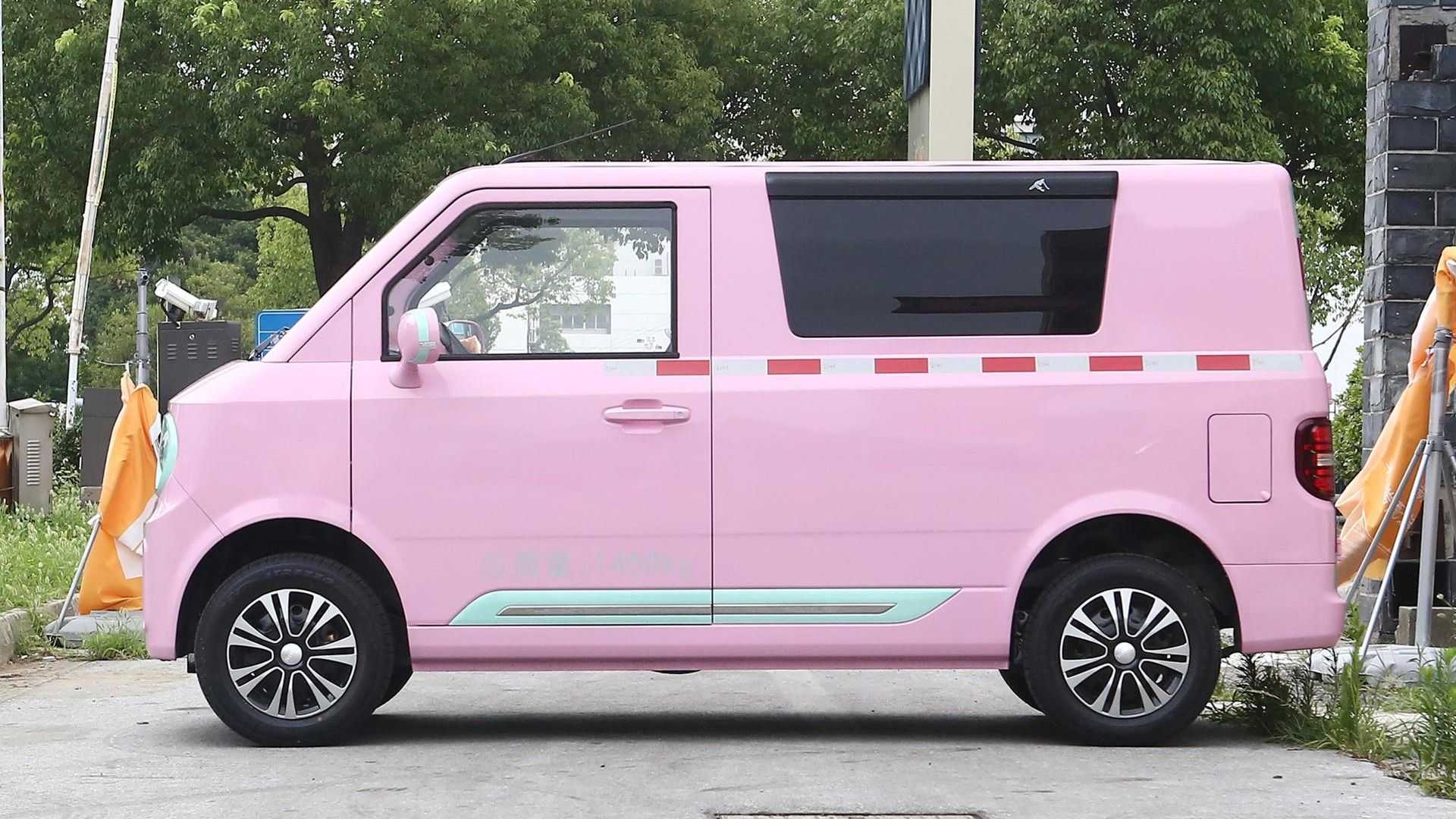


Alibaba Announced an Electric Mini Van That Costs the Equivalent of a New Motorcycle. The Vehicle Has 20 Horsepower and a Range of 120 Km.
China continues to surprise everyone when it comes to electric cars with economically accessible prices. The latest news comes from the company owned by the giant Alibaba, Matrix Motors, which launched a new version of its electric commercial mini van, which is compact, versatile, and has a super competitive price compared to other models, even by Chinese standards.
Alibaba’s Electric Mini Van Has a Range of 120 Km
Positioned in the market as a micro van, the model called Orange 01 focuses on the logistics and last-mile delivery sector. The model has a single row of seats and new features like a rearview camera, USB charging port, and an instrument panel with an LCD screen.
This electric mini van is only 3490 mm long, 1465 mm wide, and 1685 mm high, with a wheelbase of 2350 mm. The transport capacity of Alibaba’s model is 2,300 liters, expandable to 2,600 liters if the passenger seat is removed.
-
BYD’s All-Electric Sedan with 530 HP and 0-100 km/h in 3.8 Seconds Becomes a Used Car Bargain After Depreciating by R$ 117,000

-
Electrified Cars Made or Assembled in Brazil Now Account for 39% of Sales, Driving Industrial Shift in the Sector

-
Renault Kwid Outsider 2023: Affordable Used Hatchback with 1.0L Engine, 15.7 km/l Efficiency, and Ample Cargo Space for Around $11,000

-
Chevrolet SUV Offers 153 hp Engine, 620 km Range, and ADAS Features at a Lower Price Than a New Kwid


Clearly focused on urban areas, the electric mini van is equipped with a small electric motor of 15 kW, equivalent to 20 horsepower and 9.1 kgfm of maximum torque. This unit is powered by a lithium iron phosphate (LFP) battery with a capacity of 10.36 kWh, which gives it a range of 120 km in the CLTC cycle. The charging power, on the other hand, reaches a maximum of 3.3 kW, which allows for full capacity recovery in just 4 hours.
Alibaba Already Offers Other Electric Vehicles in the Market
With a strong presence in China’s cities, the models for urban deliveries need to be small enough to navigate densely populated and narrow streets. Over time, delivery tasks have largely been performed by three-wheeled models that do not provide the necessary safety and comfort for drivers.
With the popularization of battery models like this electric mini van, more and more companies in China are betting on small electric commercial vehicles, with small motors and batteries to lower the final price, making them truly accessible.
It is important to mention that, in addition to this electric mini van, in mid-2021, Alibaba announced the sale of an SUV for four occupants that measured 2.9 meters long and presented a low-cost proposal.
The small electric vehicle featured air conditioning, a rearview camera, a 9-inch multimedia screen, remote opening and closing, electric windows, and much more. Weighing 615 kg, the model called Leshen K2 is a lightweight electric car with low power, equipped with a 4 kW motor sufficient for the model to reach 50 km/h.
Get to Know Alibaba
The Alibaba Group was founded in 1999 in China by Jack Ma, who led 18 people. Founded with the goal of facilitating the operation of small and medium-sized enterprises on the internet, the company also offers infrastructure for online commerce and data technology. According to the company, the group’s mission is to make business easier anywhere.
Thus, from the beginning, the company has offered a digital transformation for businesses in how they sell and operate in virtual stores. Currently, Alibaba represents a vast digital ecosystem, with products targeted at various sectors.