Portuguese
  Spanish


5G Radio created in Brazil reaches more than 1.5 Gbps in the laboratory, allows tests with open architecture, and helps the country develop equipment capable of communicating with systems from different companies, without indicating that the technology is already available in commercial networks.
Brazil delivered a 5G radio unit created in the country during the second phase of OpenRAN@Brasil. In initial tests conducted in the laboratory, the equipment reached speeds above 1.5 Gbps.
The delivery brings together RNP, CPQD, Instituto Eldorado, and Inatel in a project focused on developing important parts of 5G networks. The information was released on July 1, 2026, by Mobile Time, a Brazilian content platform on the mobile industry.
The radio was created for a test environment, where researchers can assess if the network components work together before any broader use.
-
El Niño Intensifies: Over 90% Chance of Persisting Until 2027, Raising Ocean Temperatures and Increasing Severe Weather Risks in Southern Brazil, Warns Federal Report

-
NASA Prepares Trio of Small Satellites to Track Tropical Storms and Capture Rapid Rainfall Development from Above the Clouds

-
$7,999 Isaac 1 Robot Aims to Tackle Household Chaos: Folds Clothes, Makes Beds, and Organizes, but Raises Privacy and Cost Concerns with Camera Reliance and Remote Human Assistance
-
Mobile Electron Accelerator Units Enable Safe Testing of Water, Materials, and Industrial Waste Treatment in Countries Without Permanent Labs




The 5G radio unit is the part that carries the signal to the cell phone
The Open Radio Unit, known by the acronym O RU, is the component that transmits and receives signals between the mobile network and user devices. It is involved in the data exchange between the antenna and the cell phone.
This unit does not represent the entire 5G network. It works alongside other equipment and programs that organize the connection, control data traffic, and keep communication functioning.
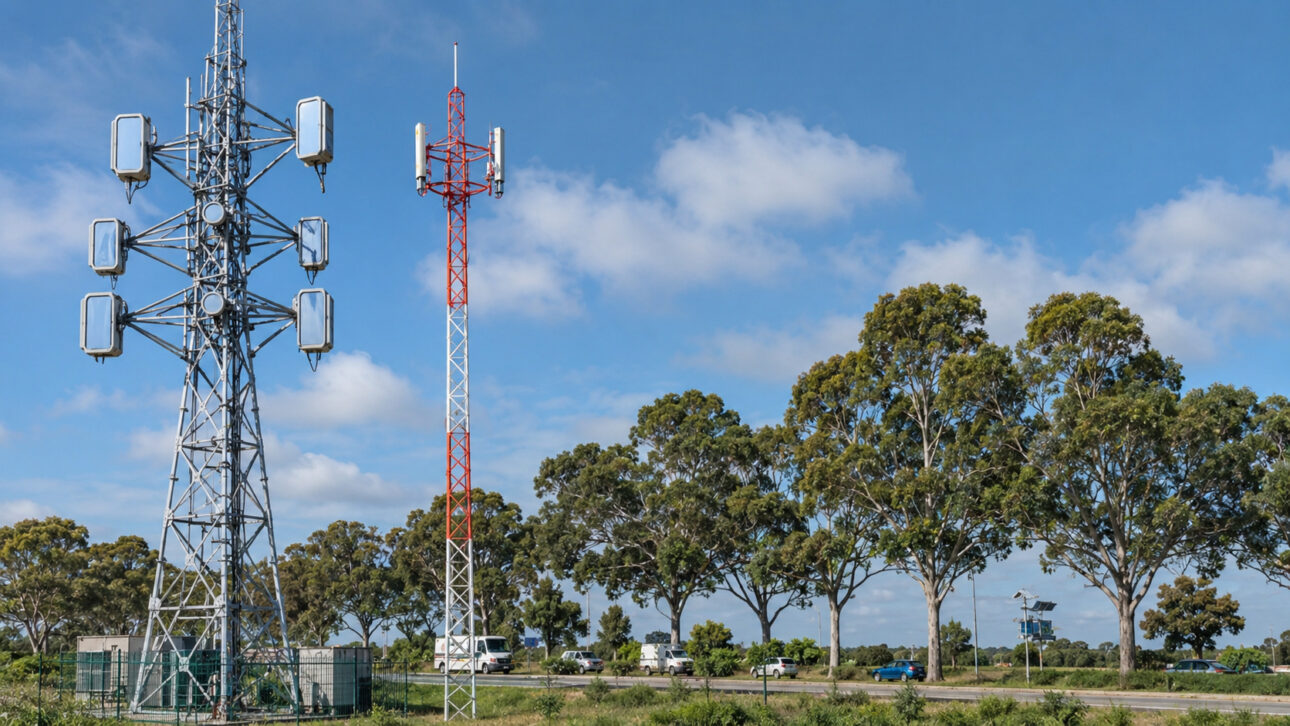
In practice, the creation of a national radio unit allows Brazilian institutions to study an important part of the infrastructure that makes 5G reach devices.
Open architecture allows combining parts from different companies
In many mobile networks, equipment and programs come as a closed set, designed to work within the structure of a single supplier. This can limit the combination of solutions developed by different companies.
Open architecture changes this logic by creating technical rules so that each part of the network can communicate with other compatible pieces. Thus, the 5G radio unit can be integrated into systems created by more than one company.
This does not mean that any equipment can be connected without care. The parts need to undergo integration tests, which show whether the exchange of information occurs safely and stably.
For Brazil, this model opens up space for more research, new local tests, and the development of technology aimed at open mobile networks.
Speed above 1.5 Gbps does not yet represent commercial 5G
The mark above 1.5 Gbps was recorded in a laboratory environment. This number shows the transmission capacity obtained during the initial evaluations of the equipment.
The result is important for research, but it should not be confused with the speed that consumers will receive on their cell phones. The radio unit is still part of a prototype that needs to be integrated and validated within the test environment.
Therefore, there is no indication that the 5G radio created in Brazil is already replacing equipment used by operators. The current stage involves development, testing, and technical improvement.
RNP concluded the second phase with participation from CPQD, Instituto Eldorado, and Inatel
The second phase of OpenRAN@Brasil was concluded on June 24, 2026, with the presentation of the results of the development of the national Open Radio Unit. The RNP, the entity that coordinates the OpenRAN@Brasil program in the country, recorded the completion of this research and development cycle.
Michelle Wangham, Deputy Director of Research, Development, and Innovation at RNP, stated: “We reached the end of Phase 2 with a concrete result and showed that Brazil can develop hardware and software technologies for Open RAN.”
The work brought together different areas, such as physical parts of the equipment, management programs, signal processing, simulations, and digital security studies. The integration of these elements formed a functional prototype for the next validation stages.
Third phase plans to take tests to other regions of the country
The third phase of OpenRAN@Brasil plans to expand the testing environment to other regions of Brazil. The integration of the radio unit into the experimentation space used by the program is also planned.
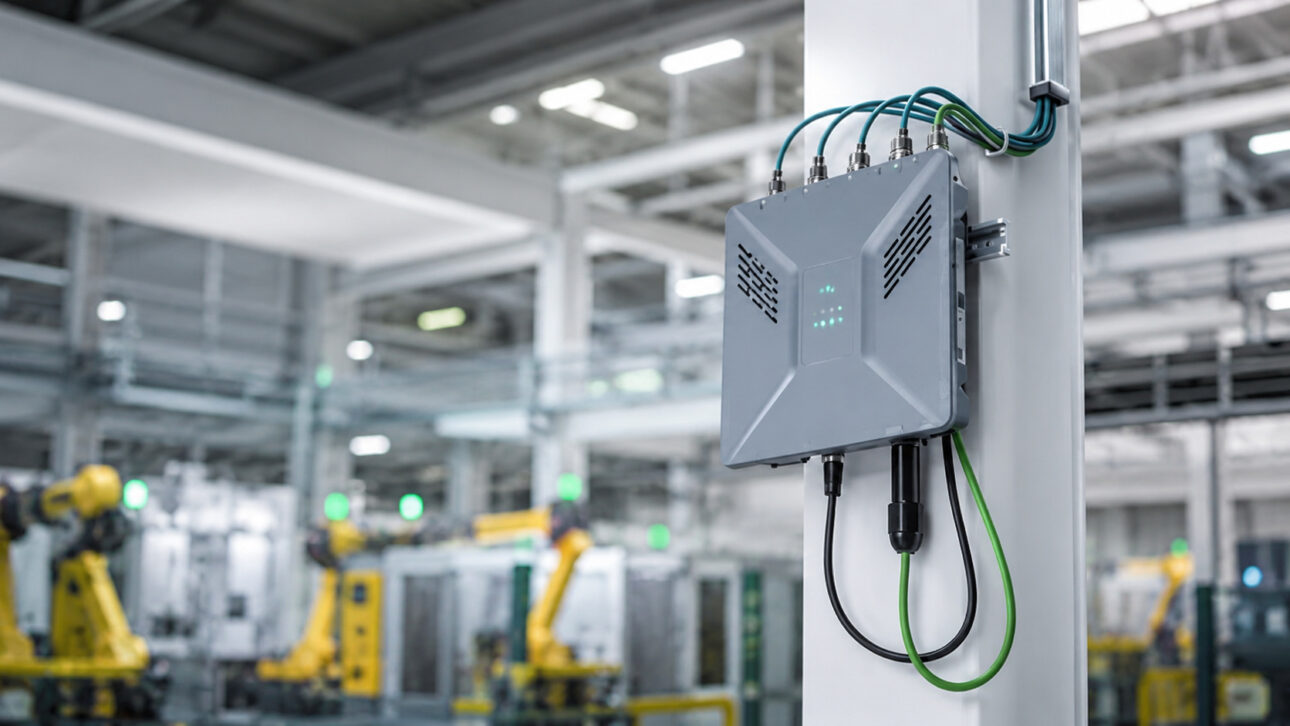
This environment allows for the development, connection, and validation of technologies before they are used in a situation closer to a real network. Researchers, companies, and institutions will be able to test new solutions related to open architecture.
The goal is to increase Brazil’s capacity to create, evaluate, and integrate parts of 5G networks, without presenting the prototype as a product ready for commercial use.
The delivery of the radio unit shows that Brazil already brings together institutions capable of developing components for open mobile networks. The main advancement is in the knowledge created within the country and the possibility of testing equipment compatible with systems from different companies.
For mobile phone users, there is no immediate change in signal, internet plan, or carrier coverage. The impact lies in building alternatives for the country to understand and develop technologies that are currently part of the foundation of mobile communications.
Do you believe Brazil should invest more in its own equipment for 5G networks, even before they reach daily use? Leave your opinion in the comments and share this post.