






 Portuguese
  Spanish



International Delegations Pressure Brazil to Change Venue of Climate Conference After Over 1,000% Increase in Daily Rates
The COP30, scheduled for November 2025 in Belém, is at risk of losing its original venue. Representatives from at least 25 countries, including members of Europe and the African Negotiating Group, have sent letters to Brazil demanding urgent solutions to the high hotel prices, which jeopardize the participation of developing nations in the event.
According to the conference president, André Corrêa do Lago, international dissatisfaction has reached such a level that there is already an informal request for Brazil to reconsider holding COP30 in Belém. The Brazilian government, however, assures that it will maintain the event in the capital of Pará and is seeking logistical and legal alternatives to curb hotel speculation.
Countries Threaten Not to Attend COP30
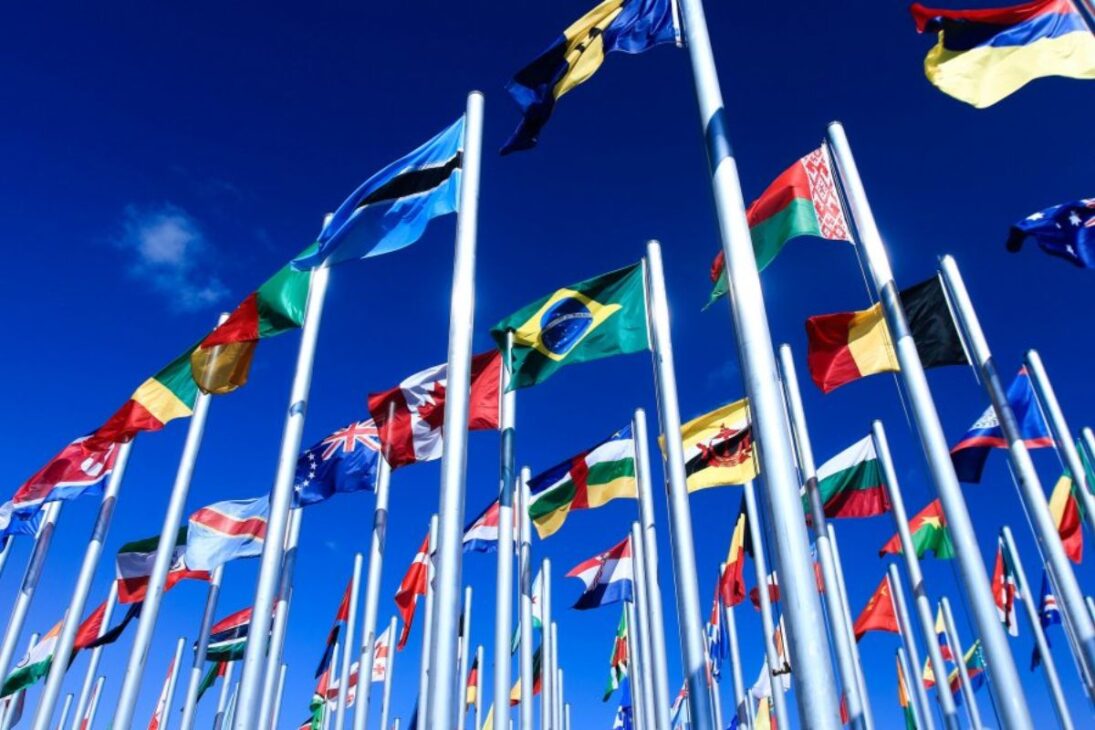
The warning was issued last week during an emergency meeting of the UN COP Bureau, convened after pressure from African countries and island nations. The Folha de S.Paulo revealed a letter signed by delegations that find it unfeasible to keep their teams in Belém given prices that reach R$ 4,000 per night, in some cases, ten times higher than the city’s historical average.
-
JBS Halts Beef Production for China as Brazil Exceeds 50% of 1.106 Million-Ton Quota; Tariff May Rise from 12% to 67%, Raising Concerns Over Cattle Prices.

-
Brazil’s Social Security Alters Biometric Rules for Pensions and Benefits, Sets 30-Day Deadline, Expands Requirements, and Clarifies Who Is Exempt from Immediate Update

-
Major Brazilian Supermarkets, Including Carrefour and Assaí, May Close Earlier to Prevent Price Increases
-
Coca-Cola Shuts Down 100-Year-Old Factory in the U.S., Impacting 85 Workers and Shaking Local Community with Historic Consequences


“We have no accommodations. We will probably have to reduce the delegation to the minimum. In an extreme case, we may have to give up attending,” stated Krzysztof Bolesta, Poland’s Deputy Minister of Climate. The Netherlands, which typically brings 90 representatives, is already considering drastically cutting its team.
Factors That Aggravated the Hosting Crisis
Among the reasons pointed out for the price escalation are:
- Limited bed supply: according to official data, Belém has only 12,200 accommodation units, 91% of which are in hotels.
- Poor urban infrastructure, which restricts viable areas for accommodating foreigners.
- Real estate speculation on platforms like Airbnb, with properties listed for up to millions of reais for the event period.
- Absence of regulation on daily rate prices, as the government cannot directly interfere with prices charged by private hotels.
The situation has led the federal government to charter two cruise ships, which will temporarily accommodate up to 6,000 people. An official lodging platform has been created, prioritizing 73 low-income countries, with subsidized rates of up to US$ 220.
Government Says It Will Keep Belém as Venue
Despite the pressure, the Brazilian government reaffirmed that it does not consider changing the venue of COP30. According to Corrêa do Lago, efforts are now focused on negotiating with the local hotel network to reduce prices, but without legal power to impose limits. “Perhaps the hotels are not realizing the crisis they are causing,” he warned.
The organizers have until August 11 to present new proposals to the dissatisfied countries. The expectation is to accommodate all 198 expected delegations, including authorities, activists, scientists, and journalists.
Geopolitical and Reputational Impact for Brazil

The impasse occurs less than 100 days before COP30 and exposes logistical fragilities in organizing large events in the North of the country. If the conference is moved to another city or country, Brazil risks losing diplomatic prestige and weakening its position in global climate negotiations, especially at a time when it seeks to lead on preservation issues in the Amazon.
The crisis also reignites debates about unequal infrastructure among Brazilian regions, highlighting the challenge of decentralizing mega-events without robust planning and real access guarantees.
Does the city have the potential to host a global event? What do you think about the abusive prices and the international reaction? Join the discussion in the comments, your opinion is essential to understanding the direction of this controversy.





Be the first to react!