Portuguese
  Spanish


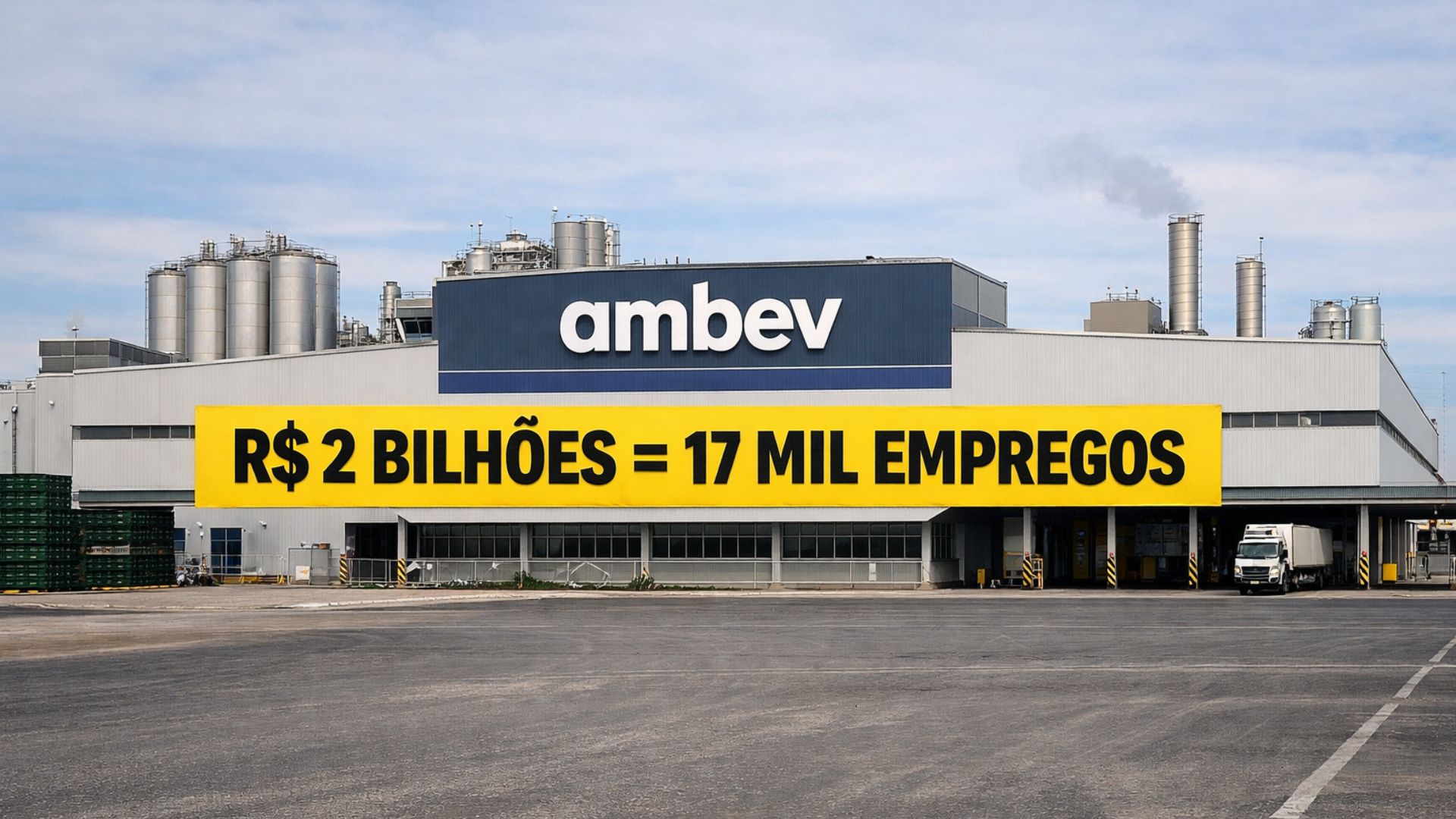


Ambev’s Billion-Dollar Investments in Paraná Consolidate Industrial Hub, Generating Jobs, Large-Scale Production of Glass Bottles, Full Use of Renewable Energy, and Continuous Operation of Industrial Furnace for Two Decades, Integrating Logistics, Sustainability, and Productive Efficiency.
Ambev focuses on two large-scale industrial projects in Paraná, totaling approximately R$ 2.5 billion in investments over the last decade and supporting a job chain that the company estimates at around 17,000 positions, including direct, indirect, and induced jobs.
The operations are located in Ponta Grossa and Carambeí, in Campos Gerais, focusing on logistical efficiency and integration of beverage and packaging production.
The initiative includes a brewery inaugurated in 2016 and a glass bottle factory that began operations with an industrial furnace designed for continuous operation for about 20 years.
-
Half of Brazilians Prefer Lower Taxes with Private Health and Education, While 44% Opt for Higher Taxes for State-Provided Services, Datafolha Survey Reveals

-
Brazil’s Most Expensive Toll Rises to R$ 40.60 on Route from São Paulo to the Coast, Nearly Matching Bus Fare to Santos

-
As Brazil Expands Social Welfare, Survey Reveals 40% Blame Poverty on Laziness, While 58% Cite Lack of Opportunities

-
China Tightens Control on Antimony, Driving Prices from $22,000 to Nearly $40,000 per Ton as U.S. Rushes to Bolster Strategic Reserves




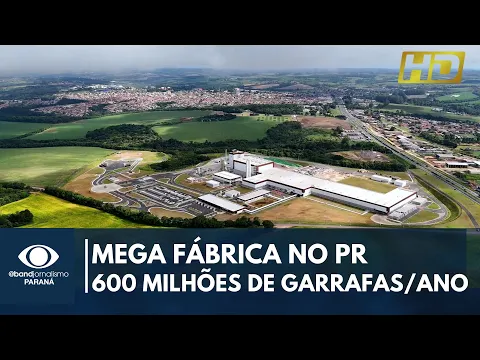
At the Carambeí plant, the projected capacity is up to 600 million bottles per year, with different formats, colors, and applications for brands in the company’s portfolio.
Paraná as Ambev’s Industrial Axis
Ambev’s presence in the state was solidified with the Ponta Grossa brewery, inaugurated in 2016, which the company points out as the first carbon-neutral unit of the company in Brazil.
Over the years, the manufacturer claims to have directed more than R$ 1 billion towards modernization, efficiency gains, and expansion of the unit, in a strategy to enhance capacity and productivity.

Meanwhile, Carambeí came into the spotlight with the inauguration of a factory dedicated to glass bottle production in December 2025.
The reported investment for this plant was R$ 1 billion, in a project designed to supply Ambev breweries in different regions of the country, reducing transportation and shortening supply times.
The choice of Paraná, according to information released by the company and state authorities, considered factors such as logistics, availability of inputs, labor, and existing industrial infrastructure.
The location in Campos Gerais also facilitates access to various consumer markets, with road access to hubs in the South and Southeast.
Production of 600 Million Bottles and Brands Served
The Carambeí factory was designed to produce up to 600 million bottles per year, in formats such as long neck and 600 ml, with color variations, including the green glass used in premium lines.
The initial production was directed towards bottles for Stella Artois, including the Pure Gold version, and for the Spaten brand, according to information published about the start of operations.
There is a significant difference between installed capacity and the volume actually delivered at the beginning of the project.
Reports about the plant indicate that the goal is to reach an output level of 600 million units per year by 2026, as production ramps up and the industrial lines mature.
In addition to supplying units in Paraná itself, the planned distribution includes states such as Santa Catarina, Rio Grande do Sul, São Paulo, Rio de Janeiro, Minas Gerais, Pernambuco, and Ceará.
Depending on the strategy and demand, the plant may also serve other brands in the portfolio, including Corona and Original, as well as non-alcoholic versions, which the company has highlighted as an expanding segment.
Renewable Energy and Use of Recycled Glass
Carambeí was presented as Ambev’s first factory to start operations using 100% renewable energy.
The plant has also been described as ready to operate with biofuels and equipped with high-energy-efficiency furnaces, within the sustainability framework outlined by the company.
On the topic of circularity, bottle production anticipates the use of recycled glass in its composition.
Released information indicates a minimum of 20% recycled material, with the potential to reach 80%, in line with local guidelines and solid waste policies mentioned in institutional communications related to the project.
The strategy, in practice, is to combine industrial scale with a reduction in virgin inputs.
At the same time, the strategy aims to minimize logistical impact by manufacturing packaging close to the breweries that will use the bottles.
Jobs, Distribution, and Regional Impact
The estimate of around 17,000 jobs attributed to Ambev’s presence in Paraná includes different layers of the economy, with direct jobs in the factories and indirect effects in services, logistics, and suppliers.
The company also maintains distribution centers in the state and operations related to packaging, which expands the network of activities associated with the business.
In the specific case of Carambeí, reports highlighted the generation of hundreds of direct jobs at the glass unit.
Additionally, there is an expanded effect along the supply chain.
In Ponta Grossa, the history of investments and the continuous operation of the brewery support an industrial base that connects to transport services, service providers, maintenance, and local hiring.
On the other hand, the actual impact in each municipality tends to vary according to the project’s stage, the level of automation, and how contracts and purchases are distributed over time.
Still, the combination of the two plants reinforces the position of Campos Gerais as an industrial corridor.