






 Portuguese
  Spanish


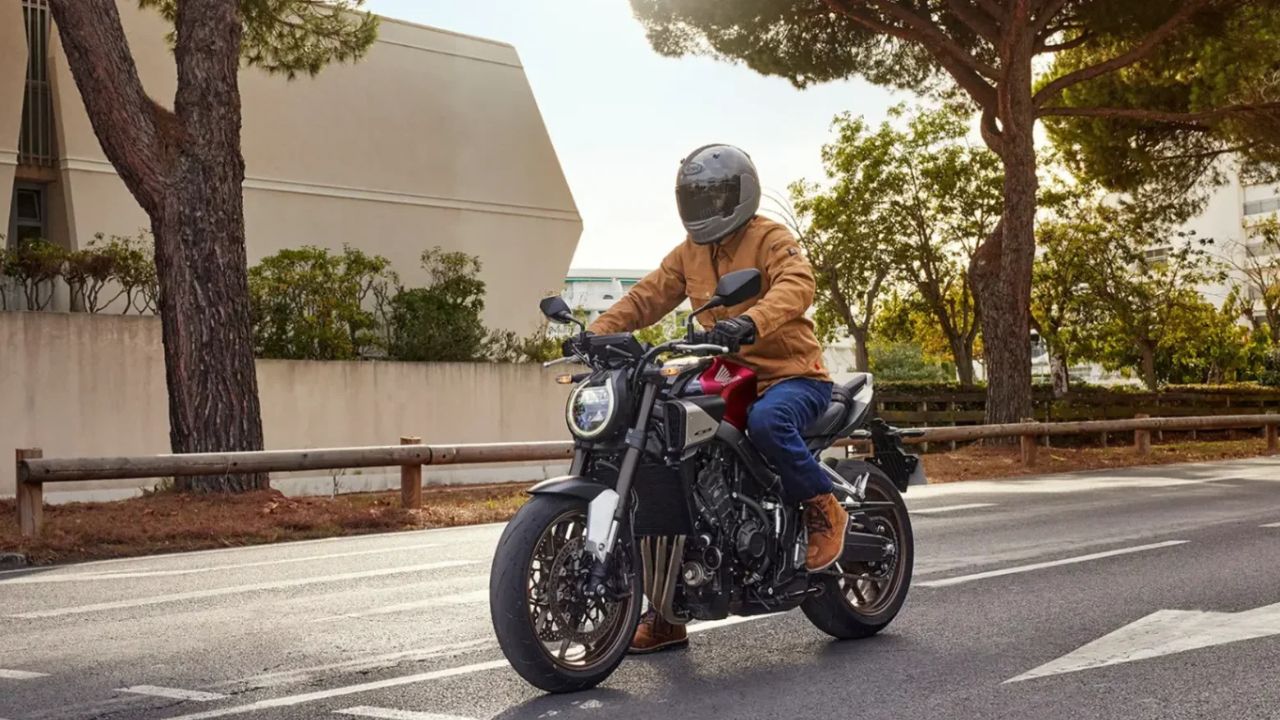

The New Honda CB 650R Debuts the E-Clutch Electronic Clutch, An Innovative Technology, But Analysis of the Opinião Sincera Channel Points Basic Technological Absences That Question Its Cost-Effectiveness in the Market.
The new Honda CB 650R has arrived in the Brazilian market with a promise of technological revolution: the E-Clutch (electronic clutch) system. However, a critical analysis from the Opinião Sincera channel reveals a paradox: while the bike innovates in its mechanics, it falls short in connectivity and electronic items considered basic for its price range, which is around R$ 65 thousand in the market.
This contrast between the advanced engineering of its four-cylinder engine and the absence of USB ports, riding modes, or GPS mirroring puts the model in a precarious position. The question raised by the Opinião Sincera channel is whether the convenience of the new clutch justifies the concessions made by the manufacturer and the final price practiced at dealerships.
What Is the E-Clutch and How Does the New Clutch Work
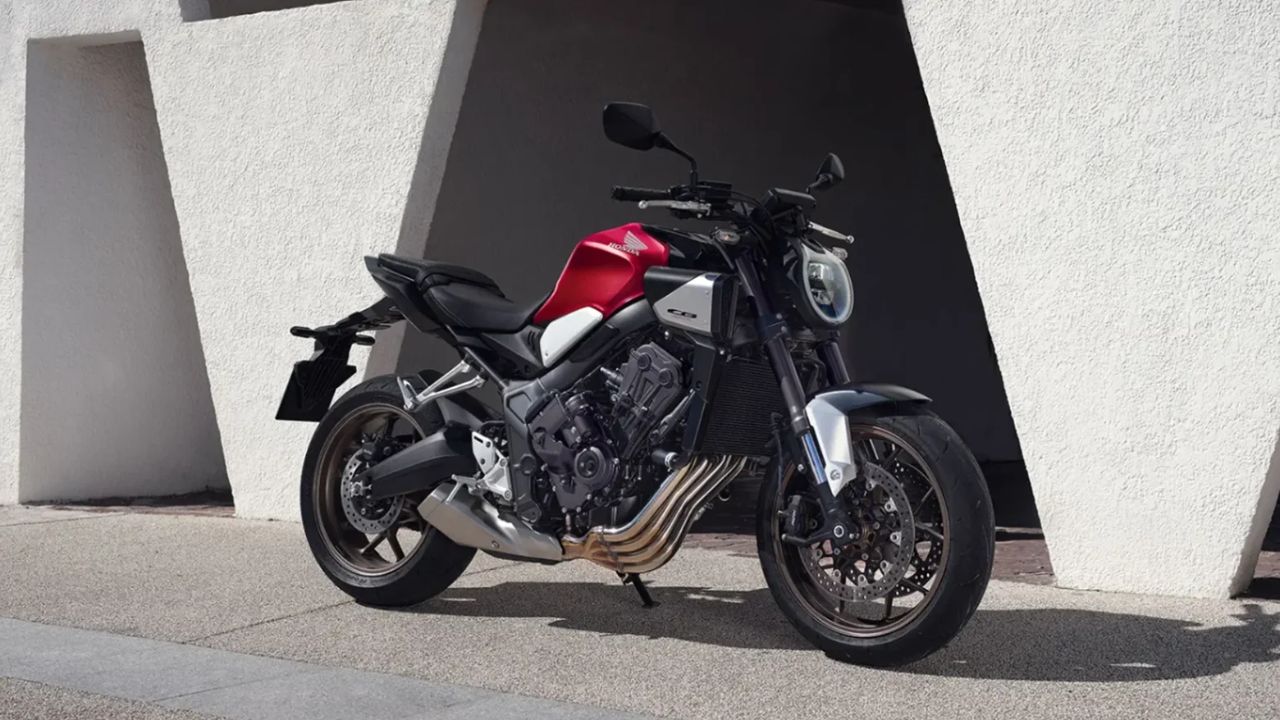
The main novelty of the Honda CB 650R is undoubtedly the E-Clutch system. According to the detailed analysis from the Opinião Sincera channel, it is crucial to understand that this is not an automatic transmission. Unlike Honda’s DCT system or the centrifugal clutch of the Biz, the E-Clutch is an electronic actuator for a traditional clutch. The rider still needs to shift gears using the pedal, but the system completely eliminates the need for the clutch lever, if desired.
-
Sales of Brazil’s Cheapest Electric Car Halted Before First Deliveries: E-Motors Suspends Emova Easy Due to Import Tax Increase and Rising Freight Costs

-
Nissan Discontinues Qashqai SUV Amid Cost-Cutting, Chinese Competition, and Product Line Review

-
BYD Patents Revolutionary System Using Computer Vision to Detect Animals Under Cars Before Starting, Preventing Tragedies

-
Study Reveals Why Cars Are More Expensive to Produce and Buy in Brazil Compared to Mexico, Highlighting Taxes, Logistics, and Industrial Costs as Key Factors.


In practice, the Opinião Sincera channel tested the system for 200 km and approved its functionality. Guilherme Augusto from the channel highlighted that the E-Clutch “provides more convenience” in the city, simulating manual activation well. The system even allows for customization of the pedal sensitivity (Hard or Soft) and, during low-speed tests in the wrong gear, it “burned” the clutch smoothly and correctly. For those who cannot adapt, the system can simply be disabled.
Four-Cylinder Engine: The Star That Still Shines
Despite the new clutch, the Opinião Sincera channel reiterates that the “star of the show” remains the four-cylinder engine. It retains the characteristic roar and smoothness that defines the CB line. The 2025 model delivers 86 horsepower and just under 6 kgf·m of torque, a slight reduction of 2 hp compared to the previous generation, justified by emission standards.
The channel emphasizes that this reduction is imperceptible during normal use. The bike, according to the data, has even become faster, going from 0 to 100 km/h in 4.5 seconds. The strong point, according to the test, is the progressiveness: it is not a “stupid” or abrupt bike. It allows the rider to correct mistakes, delivering its power more linearly, making it ideal for those moving up from lower displacements while still being fun at high RPMs.
The Paradox of Electronics: TFT Dashboard vs. Absence of USB
It is here that the analysis from the Opinião Sincera channel becomes more critical. The Honda CB 650R received welcome upgrades, such as a new 5-inch TFT dashboard, colorful and with excellent visibility, as well as Full LED lighting. However, Opinião Sincera points out that the bike “could have been even better” in this regard, especially considering its price.
The list of absences is the nerve center of the criticism: the bike lacks riding modes (such as “Rain” or “Sport”), something that competitors and even lower-displacement bikes already offer. Additionally, there is no connectivity for GPS mirroring (still in the homologation process) and, even more surprisingly, there is a lack of a simple USB port to charge a smartphone. The front suspension, although robust, also lacks any type of adjustment.
Price vs. Cost-Effectiveness: Is It Worth Paying R$ 65 Thousand?


The central question raised by the Opinião Sincera channel is the final value of the product. Honda publishes a suggested retail price (SRP) of R$ 58,270. However, the channel points out that the average market value, based on the FIPE table and the practices of dealerships, is around R$ 65 thousand.
The conclusion from the Opinião Sincera channel is straightforward: at R$ 58 thousand, the Honda CB 650R E-Clutch would be a “great bike.” However, at R$ 65 thousand, it “loses points in cost-effectiveness”. In this price range, the market begins to present other options that, although they may not have the electronic clutch, deliver the complete electronic package (riding modes, connectivity, USB) that is lacking in Honda.
Mechanical Innovation or Complete Package?
The Honda CB 650R E-Clutch positions itself as a transitional bike: it celebrates the classic engineering of the four-cylinder engine and the future of the electronic clutch but stumbles over basic technological conveniences. The buying decision, therefore, rests on what the rider values most: mechanical innovation or a complete electronic package.
And for you, what matters more? Does the lack of USB and riding modes make you reconsider purchasing a R$ 65 thousand bike, even with the novelty of the E-Clutch? Leave your honest opinion in the comments; we want to know what Brazilian motorcyclists really think about this balance.


