Portuguese
  Spanish


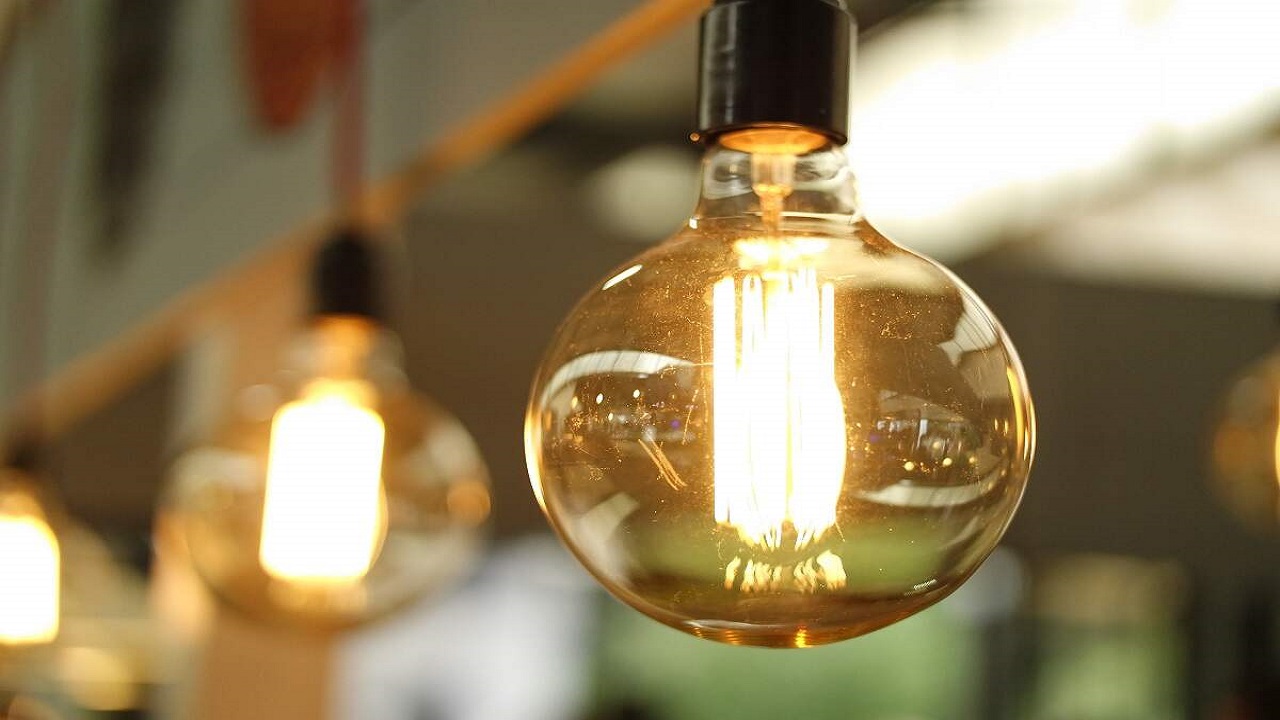

According to data from Aneel, the estimate is that the increase in the electricity bill for next year will be 21%. Even with the current water crisis flags, the deficit left, in the best-case scenario, will be R$ 13 billion
The increase in the electricity bill will not come out of the consumer’s pocket next year. The adjustment that the electric sector itself and official documents from the Federal Government foresee is greater than 20% for the year 2022, a rise that, due to the water crisis, will further drive inflation and impact the income of Brazilians even more. According to an internal document from the National Electric Energy Agency (Aneel), issued on Friday (5), in which the agency makes a projection about the impact that the current water crisis in the country will have on tariffs across the country, due to the measures that were used to ensure energy supply.
Also Read
Aneel Foresees a 21% Increase in the Electricity Bill
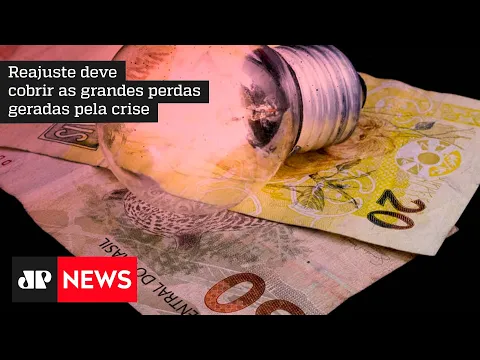

According to the text, Aneel’s estimates point to a tariff impact scenario of 21.04% for the next year. Considering data from the agency, the accumulated adjustment this year for residential consumers alone reaches 7.04%, meaning that the expected increase in the electricity bill for next year will be almost triple that of this year. In 2020, before the water crisis, the average increase was 3.25%.
In recent months, consumers have been covering the cost of tariff flags, an increase in the electricity bill that is used to pay for the activation of thermal plants, which are more expensive than hydropower plants.
-
Payment Infrastructure Expert Highlights Diverse Realities in Latin American E-commerce, with Card Usage Ranging from 89% in Ecuador to 50% in Colombia

-
Brazil’s Central Bank’s Tight Monetary Policy Risks Stifling Both Production and Demand Amid High Inflation and Fiscal Imbalance

-
Over a Century After the Sinking, US Takes Legal Action to Stop Auction of Over 100 Titanic Artifacts

-
Chinese Rail Port in Inner Mongolia Surpasses 25,000 China-Europe Trains, Connecting 75 Routes Across Over 10 Countries, Showcasing Central Corridor as a Strong Land Alternative to Long Sea Routes


This occurs due to the water crisis, which led to the depletion of Brazil’s main reservoirs. One of the main reasons to justify such a charge is to avoid having this amount paid later in annual adjustments, as was the case before. According to Aneel, even the tariff flags have not been able to cover the current deficit.
A Deficit of R$ 13 Billion Next Year
After analyzing energy production projections and expected costs, considering information from the National Electric System Operator (ONS) and the Electric Energy Commercialization Chamber (CCEE), Aneel’s technical area concluded that, by April of next year, the best results point to a deficit of R$ 13 billion. This is already deducted from the expected revenue collection from the water crisis tariff flag.
Understand the Reason for the Increase in Your Energy Bill
The activation of thermal plants in Brazil is not the only explanation for the financial deficit in the energy sector that will result in a new adjustment in Brazilians’ electricity bills in 2022.
Another estimated bill of R$ 9 billion that will be paid by consumers comes from simplified energy contracts that were made by the government last month. This is a type of reserve energy that will be delivered starting in May of next year to ensure greater security and prevent rationing. Adjustments can also be justified by the increased import of energy through contracts signed with Uruguay and Argentina.
Thus, the adjustments on the bills are made by Aneel annually, after analyzing the costs of each distributor in the country; the percentage of increase varies between states.