Portuguese
  Spanish



Gold And Enamel Piece Tied To The Gawdy Family Was Accidentally Found In Norfolk And Reveals European Elite Mourning Traditions Between The 16th And 19th Centuries
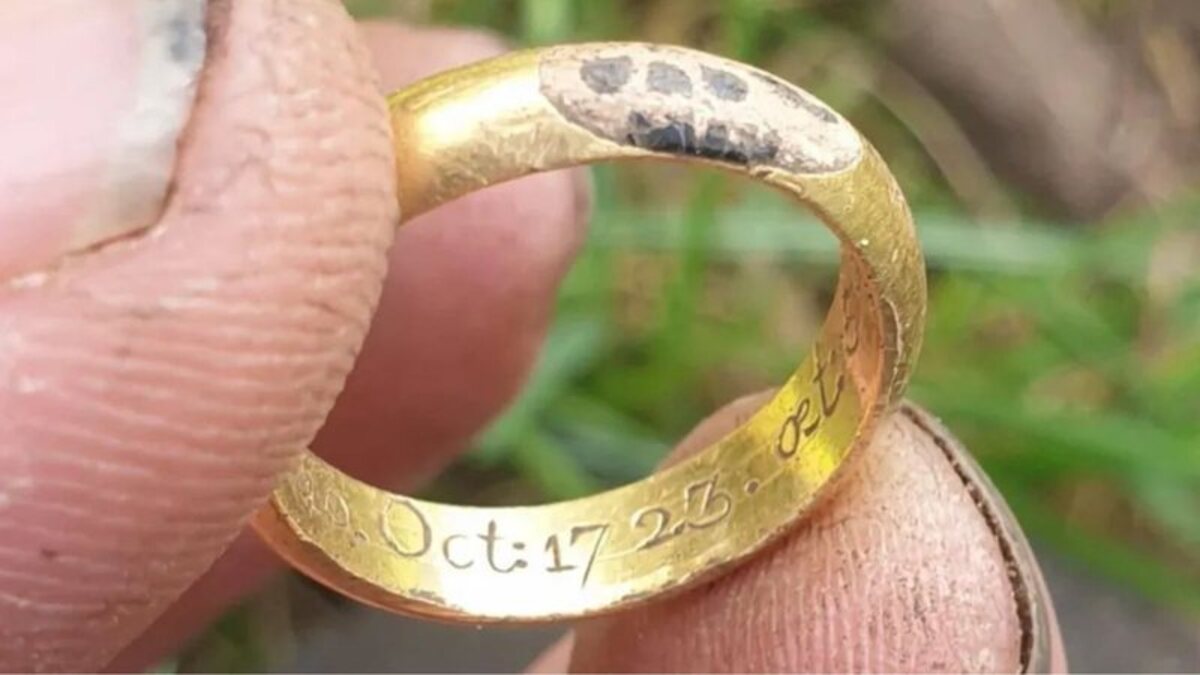
A mourning ring made of gold and enamel, dating from the 18th century, was found by a metal detectorist in a field near Thetford, Norfolk, England. The piece was buried about 15 centimeters deep and still shone brightly in the sun, even after centuries lost in the mud.
The Finding Of The Ring: Emotion After A Year Of Searches
Malcolm Weale, 53, located the ring after more than a year exploring the area with his detector. According to him, it only took seeing the object’s shine to realize it was something special.
“There it was, a shine of pure gold, gleaming like the day it was lost, about 15 centimeters deep in the mud. I knew right away it was something very special and even did a little dance,” he told the BBC. Weale also said that, feeling emotional, he made a small dance upon finding the jewel.
-
China Reclaims Supercomputer Crown with LineShine, Surpassing US’s El Capitan by 20% Without GPUs, Despite High Energy Consumption

-
Injured Amazon River Dolphin Rescued by Local Community and Real-Life “Aquaman” in Brazil’s Tocantins River

-
Spanish Startup Develops Europe’s Densest Solid-State Battery at 402 Wh/kg
-
Telescope Launched 80 Billion km from Earth Could Use the Sun as a Giant Lens to Magnify Exoplanets, Potentially Revealing Continents, Oceans, and Signs of Life



It is believed that the ring was made in memory of Sir Bassingbourne Gawdy, the third baronet of Harling, who died in 1723 at the age of 56 in a hunting accident.
Mourning rings were popular among European elites between the 16th and 19th centuries and served as mementos of loved ones, often with inscriptions, dates, or even strands of hair from the deceased.
Origins Of The Gawdy Family
According to reports, the Gawdy family is said to have originated from a French knight who was captured during the Hundred Years’ War and ended up settling in eastern England in the 14th century.
The ring has been officially declared treasure by the Norfolk coroner’s court. It will now be evaluated by the British Museum, which will determine the value and the division of the amount between Weale and the landowner.
In addition to the ring, Malcolm Weale has found other historical objects. In 2024, he found a silver coin minted in the late 9th century for Guthrum, also known as Athelstan II.
Guthrum was a Viking leader converted to Christianity who went on to rule East Anglia. This coin is considered the first issued by a Christian Viking ruler in Great Britain.
With information from Aventuras na História.