






 Portuguese
  Spanish


While Australia inaugurates an entire airport built from scratch, the Gulf signs bullet trains that cross the desert at 300 per hour, and China digs tunnels under the sea, Brazil still celebrates completing projects promised forty years ago, highlighting the infrastructure gap between the country and the rest of the world.
It’s a comparison that is uncomfortable but necessary. Around the world, nations build projects that seem like fiction and deliver them in a few years. In Brazil, a country with continental dimensions and a vocation for production and export, major infrastructure projects drag on for decades, crossing governments, plans, and promises without leaving the drawing board.
The result is felt by everyone. Without enough modern railways, waterways, and ports, the cost of transporting Brazilian production is among the highest in the world, which robs competitiveness from agribusiness, industry, and ultimately makes what reaches the consumer’s table more expensive.
The projects that aged in promise
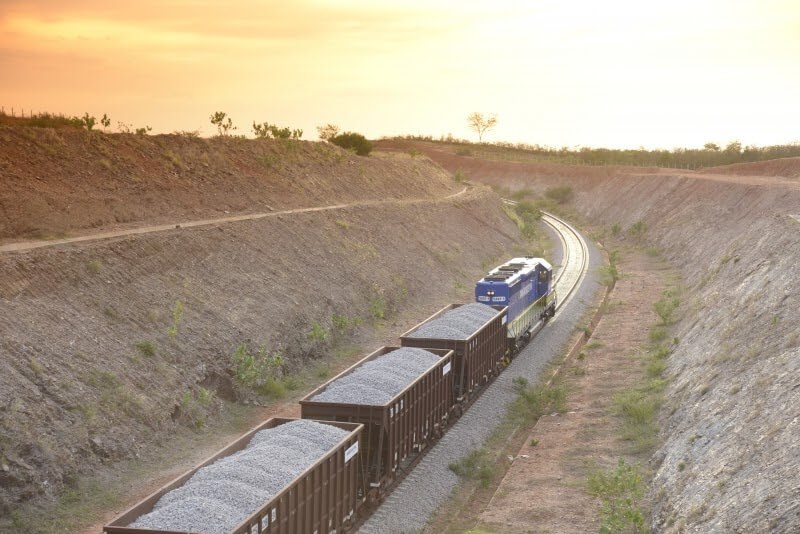
The list of eternal projects is almost a national symbol. The Transnordestina, a railway that promises to cut through the hinterland to the coast, began in the mid-2000s and remains unfinished. The North-South Railway, a backbone designed to integrate the country from top to bottom, took decades to progress. Projects like Ferrogrão and major waterways have been discussed for years without taking off.
-
Brazil Invests in Massive Waterway to Transport Soybeans by Barge, Reducing Costly Truck Reliance

-
Bridge Rebuilt in Just One Year Reconnects Two Brazilian States
-
Custom Furniture Costs in Brazil Expected to Range from $350 to Over $1,450 per Square Meter by 2026, with Kitchens, Closets, and Laundries Highlighting the Impact of Premium Features
-
Australia Builds Entire Airport from Scratch to Spark Development of New City


Each of these projects has a similar story: announced with celebration, stalled due to lack of funds, environmental issues, legal disputes, or shifts in political priorities, and then resumed years later, more expensive and more delayed. It’s a cycle of stop-and-start that erodes trust and wastes resources.
Meanwhile, the world’s clock doesn’t stop.
Why everything stalls here
The causes accumulate. There’s the difficult geography and vast distances, which make any project expensive; there’s the financing, because infrastructure is costly and offers long-term returns, which deters impatient investors; and there’s the judicialization, with projects stalled by injunctions, lengthy licensing processes, and conflicts of interest that drag on for years in the courts.
Add to this the political discontinuity. In Brazil, each government tends to prioritize its own projects and leave those of its predecessor aside, and this lack of consistency causes important projects to hibernate for years. Without a state plan that survives power changes, infrastructure moves in a zigzag when it should follow a straight line.
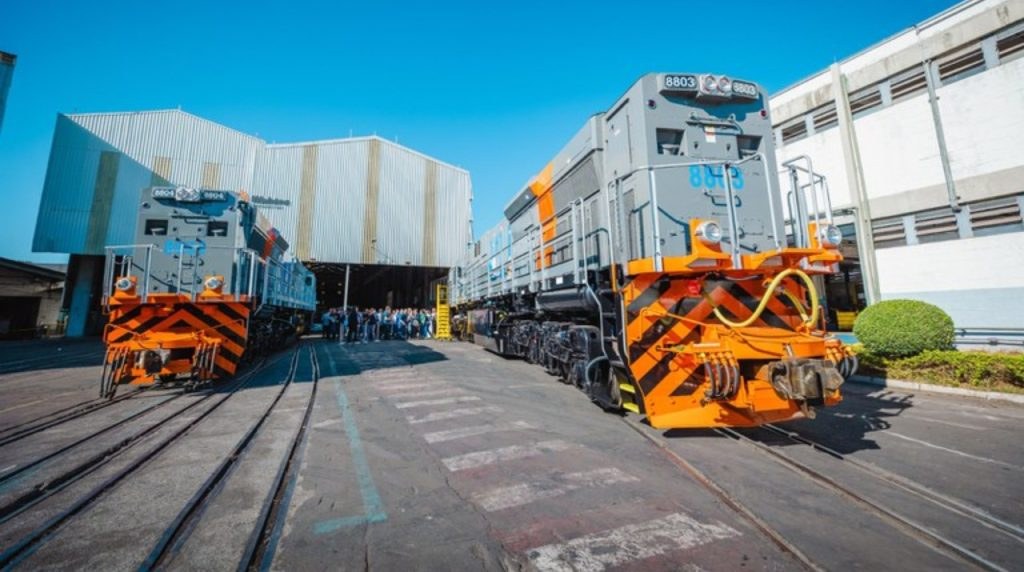
There’s also the historical legacy of betting on the truck. The country built its logistics on highways starting in the last century, and undoing this choice, shifting cargo to rails and rivers, is costly and slow. The result is a small railway network for the size of the country and underutilized gigantic rivers.
The cost of delay
The price of lacking infrastructure is paid every day, even if invisibly. It’s estimated that Brazil loses a huge portion of the value of its production in freight and waste simply because it transports grain and ore on expensive and congested roads instead of cheap rails and rivers. Each record harvest, instead of just celebration, also becomes a reminder of what is lost on the way to the port.
This extra cost takes Brazil out of equal footing with competitors. The American or Australian producer puts their grain on the ship spending much less on transportation, and this difference, accumulated harvest after harvest, means billions going down the drain of logistics. It’s not that Brazil plants worse; it’s that it transports worse, and this decides who profits more in the global market.
What is finally starting to move
Not everything is stagnation. The government has launched a new investment cycle promising hundreds of billions of reais in railways, ports, and roads, and some old projects are finally moving towards completion. The pressure of the record harvest, which clogs roads and ports, has made the bottleneck unsustainable and pushed infrastructure back to the top of the agenda.
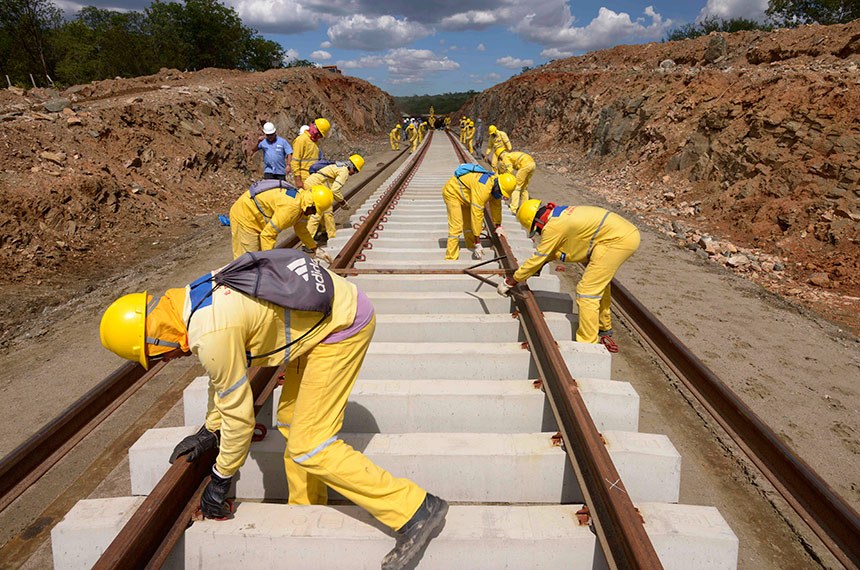
The issue, as always, will be execution. Announcing billions is easy; turning them into laid tracks and navigable waterways is the challenge that Brazil has historically not overcome. Those who follow the sector have learned to separate the announcement from the inauguration and to hope that this time the story will be different.
I imagine the size of the country we would have with the infrastructure that the rest of the world is building. Brazil produces like few others, but it flows poorly, and this difference between what it plants and what it can bring to market is, at its core, the difference between the giant we are and the giant we could be.
Perhaps the economic pressure is finally the push that was missing. With production growing every year and the bottleneck becoming unsustainable, it becomes increasingly expensive not to build, and this cost, more than any speech, may be what finally takes projects out of the drawer for good. When the delay starts to hurt everyone’s pocket, infrastructure tends to become a real priority.
The contrast with the world, therefore, is not a reason for lament, but for urgency. The examples abroad show that it is possible to build quickly when there is a plan, money, and continuous political will. Brazil needs to turn this known recipe into concrete, rail, and navigable water before the delay costs even more.
Why can Brazil produce like no one else, but cannot build the infrastructure that the world erects in a few years?


