Portuguese
  Spanish


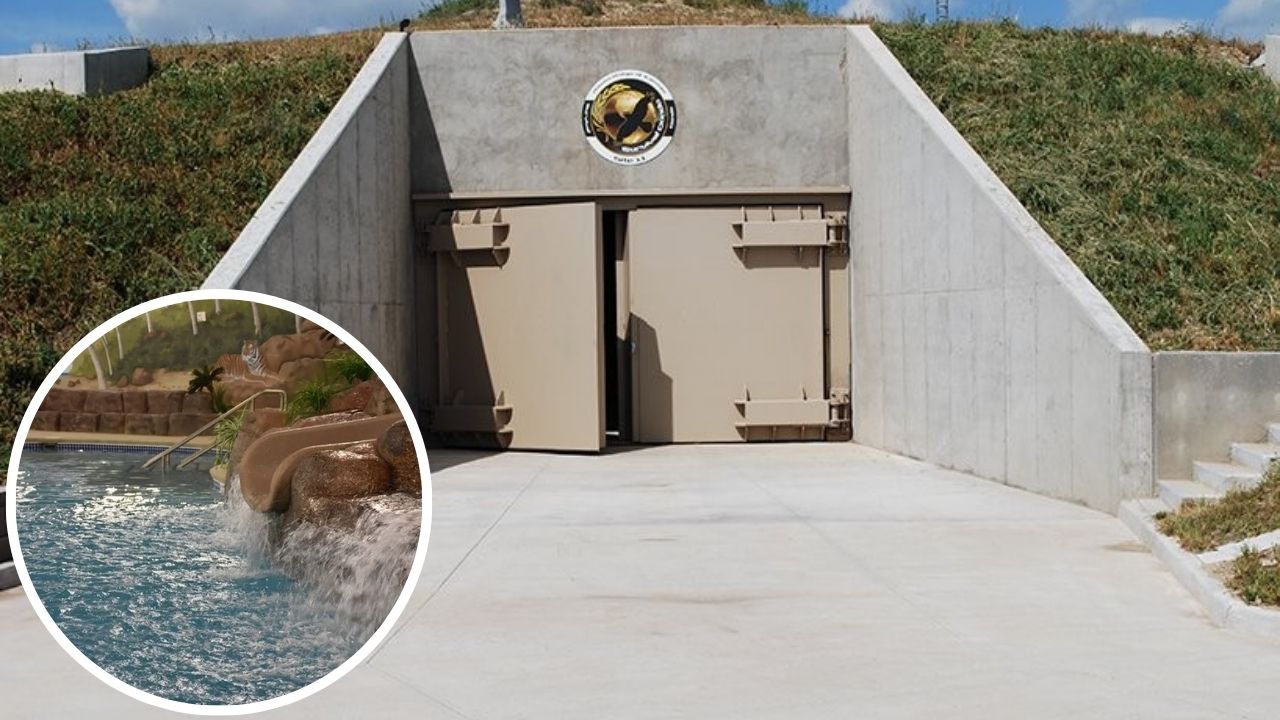


From Nuclear Shelters to Elite Sanctuaries: How a Bomb-Proof Underground Mansion Became the New Status Symbol for Millionaires.
The new frontier of the ultra-luxury real estate market does not have an ocean view, but is buried 60 meters deep. The trend of converting Cold War military bunkers into a private underground mansion is growing, transforming brutalist concrete relics into opulent fortresses. Structures designed to <strongWithstand Nuclear Armageddon now house swimming pools, cinemas, and even indoor gardens, redefining luxury as impenetrable security.
What was once a military command post or a missile silo, accessible only by 3-ton steel doors, is now a sanctuary. Millionaires are buying these obsolete structures for a fraction of their original cost and investing millions to create self-sufficient biospheres. This rush to the underground reflects a shift in global anxieties, where absolute privacy and self-sufficiency have become the ultimate tangible investment.
The Architecture of Fear: From Silos to Concrete Screens
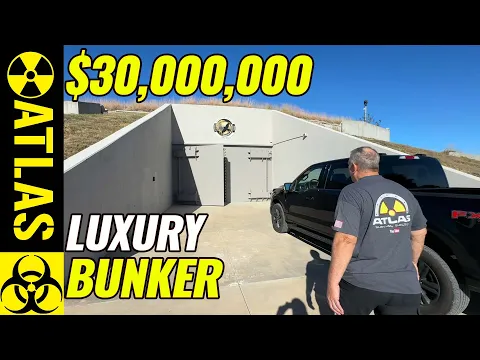

To understand these conversions, it is necessary to go back to the Cold War. The structures that now serve as a basis for opulence were born from existential threat. At the center of this were the Atlas-F missile silos from the 1960s. According to the “Inside the Survival Condo” report by CNET, these silos were vertical fortresses with reinforced concrete walls up to 2.7 meters thick, plunging nearly 60 meters into the ground.
-
Former Atacadão Employee Turns Online Cake-Baking Lessons into a Confectionery Brand with Factory, Store, Delivery, and Nearly $400,000 in Revenue

-
Brazilian Startup Sells Nearly 9 Million Surprise Bags of Near-Expiry Food, Prevents Thousands of Tons of Waste, Aiming for $42 Million Revenue by 2026
-
How to Prevent Brown Recluse Spider Bites: Common Hiding Spots and Free Tips to Reduce Risks

-
Natto: The Unusual Japanese Superfood Gaining Popularity on Social Media and Driving Record Exports




In addition to the silos, a network of command bunkers, such as those built by AT&T in collaboration with the government, was designed to ensure continuity of communications. As detailed by Atlanta Magazine in its article “House Envy”, one of these facilities in Georgia was built in 1969 and designed to withstand a 20 kiloton nuclear blast. These structures, once strategic assets, have become expensive liabilities for the government to dismantle.
Military obsolescence created the market opportunity. The structural strength, nearly impossible to replicate today, has become the main attraction. Developer Larry Hall, for example, bought a missile silo (which cost US$ 15 million to build) for only US$ 300,000, laying the groundwork for a new class of real estate where the government’s sunk cost becomes the private sector’s profit.
Engineering Alchemy: Creating a Habitable Biosphere
Transforming a sealed concrete tube into a self-sustaining habitat requires military-level engineering. Breathable air is ensured by complex nuclear, biological, and chemical (NBC) filtration systems. Water is extracted from deep artesian wells and purified. Energy relies on redundancy: diesel generators with massive tanks are the backbone, often supplemented by renewable sources on the surface.
The greatest challenge is psychological: combating claustrophobia and sensory deprivation. The solution is the “illusion of daylight”, using LED lighting that simulates the daily cycle. CNET highlights the use of “virtual windows” in the Survival Condo — high-definition screens that broadcast a live view of the outside or serene landscapes, breaking the monotony of concrete.
Interior design follows two paths: conceal or celebrate. Some owners hide the concrete behind conventional luxury finishes. Others celebrate the brutalist heritage, using raw concrete walls as a textured backdrop for designer furniture, creating a constant dialogue between the structure’s military past and its luxurious present.
Case Study: Suburban Life 8 Meters Underground
Not every underground mansion of luxury is a military conversion. One of the most fascinating examples is the “Underground House” in Las Vegas, purposely built in the 1970s by businessman Jerry Henderson. According to Realtor.com, the house is located 8 meters below ground and was designed to completely deny its underground reality.
The 1,358-square-meter property is not just a house; it is a simulation of suburban life. Realtor.com describes a vast “yard” with artificial grass, a pool in a grotto, and, most notably, a “programmable sky”. This painted ceiling uses special lighting to replicate daylight, twilight, and a starry night sky, serving as a time capsule of Cold War comfort engineering.
The Portfolio of Fortresses: Community vs. Sovereignty
The Survival Condo in Kansas, detailed by CNET, is the ultimate example of a vertical luxury community. The 15 floors of the old Atlas-F silo house apartments costing millions. However, the focus is on the common areas: a resort-style pool, climbing wall, cinema, and hydroponic farms to sustain up to 75 people for five years. It is a model of managed collectivism.
In stark contrast, “The Facility” in Georgia is the epitome of a private fortress. Atlanta Magazine reports that the 1969 structure underwent a US$ 2.5 million renovation in 2012 and was listed for US$ 17.5 million. Instead of a community, it contains four luxury apartments, designed for a single owner and their guests or staff. The amenities reflect this sovereignty, including a 15-person cinema and a shooting range on the surface, highlighting the focus on self-defense.
The journey of these Cold War relics, from instruments of annihilation to symbols of private preservation, is a narrative about our time. The underground mansion is more than an architectural trend; it is the tangible manifestation of 21st-century anxieties, where ultimate luxury is not a view, but absolute control.
The future of luxury may not be a penthouse with a panoramic view, but rather a windowless penthouse. But what do you think about this trend? Would you live in one of these luxury bunkers if you had the chance? Do you believe this is a pragmatic solution for an uncertain world or an exaggeration? Leave your honest opinion in the comments, we want to know what you think about this reality.