






 Portuguese
  Spanish


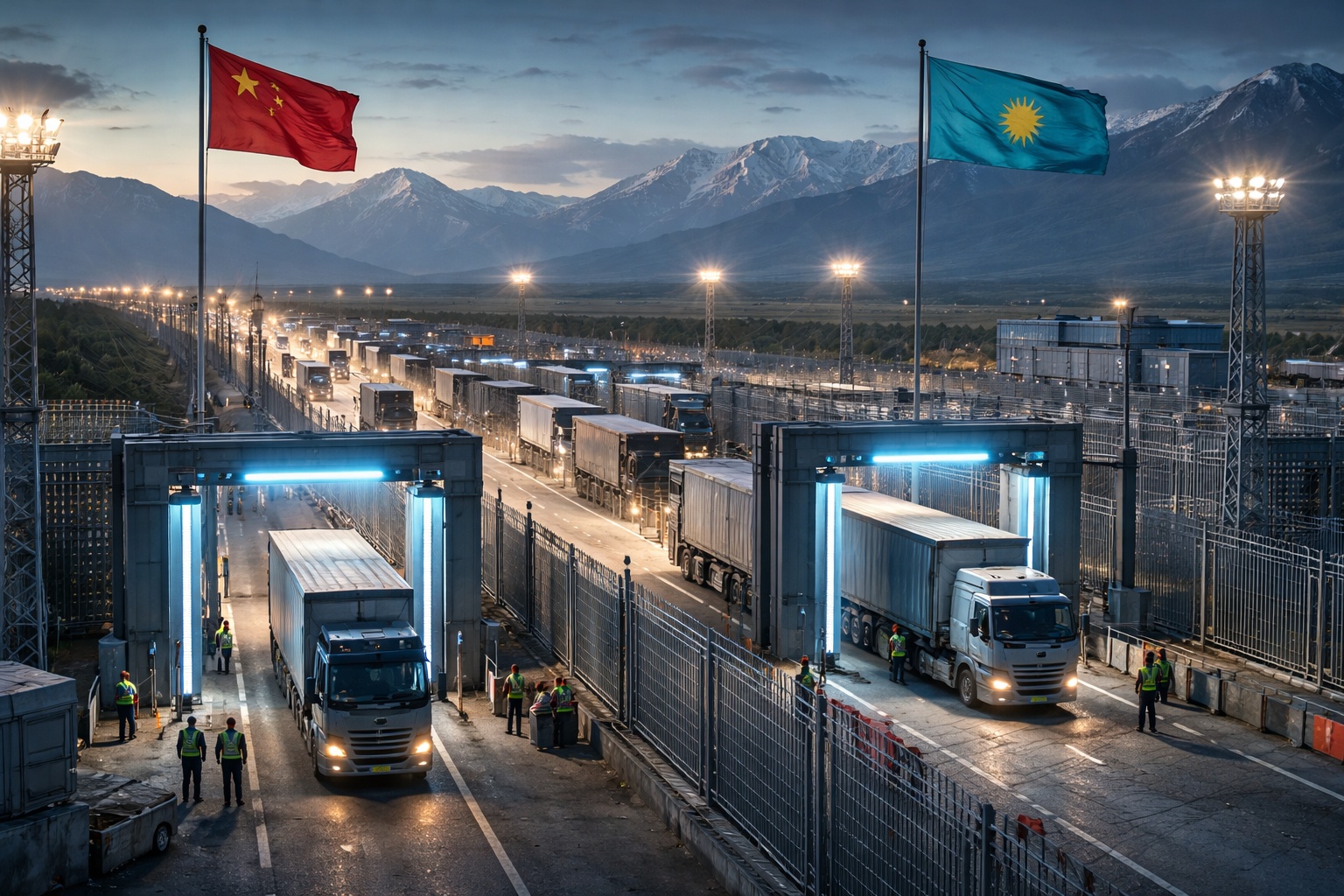


China And Kazakhstan Modernize A 1,765 Km Border With Barriers, Scanners, And 24-Hour Operations To Control Smuggling And Expand Land Trade.
Unlike continuous and visible fences like those in Denmark or Australia, the border between China and Kazakhstan operates as a distributed infrastructure. Along 1,765 kilometers of land, territorial control does not materialize in a single wall, but in a set of physical barriers, inspection posts, lanes, scanners, and logistics systems that operate permanently. This border is not just a political line. It has become an ongoing engineering project aimed at control, commercial fluidity, and economic sovereignty.
A Border That Needs To Function Every Day
The growth of land trade between China and Central Asia has transformed old border posts into critical bottlenecks. Trucks have begun to pile up, queues have stretched for miles, and crossing times have started to impact entire logistics chains.
In response, both countries have begun to treat the border as strategic infrastructure, expanding lanes, reinforcing physical barriers at sensitive points, and modernizing inspection systems.
-
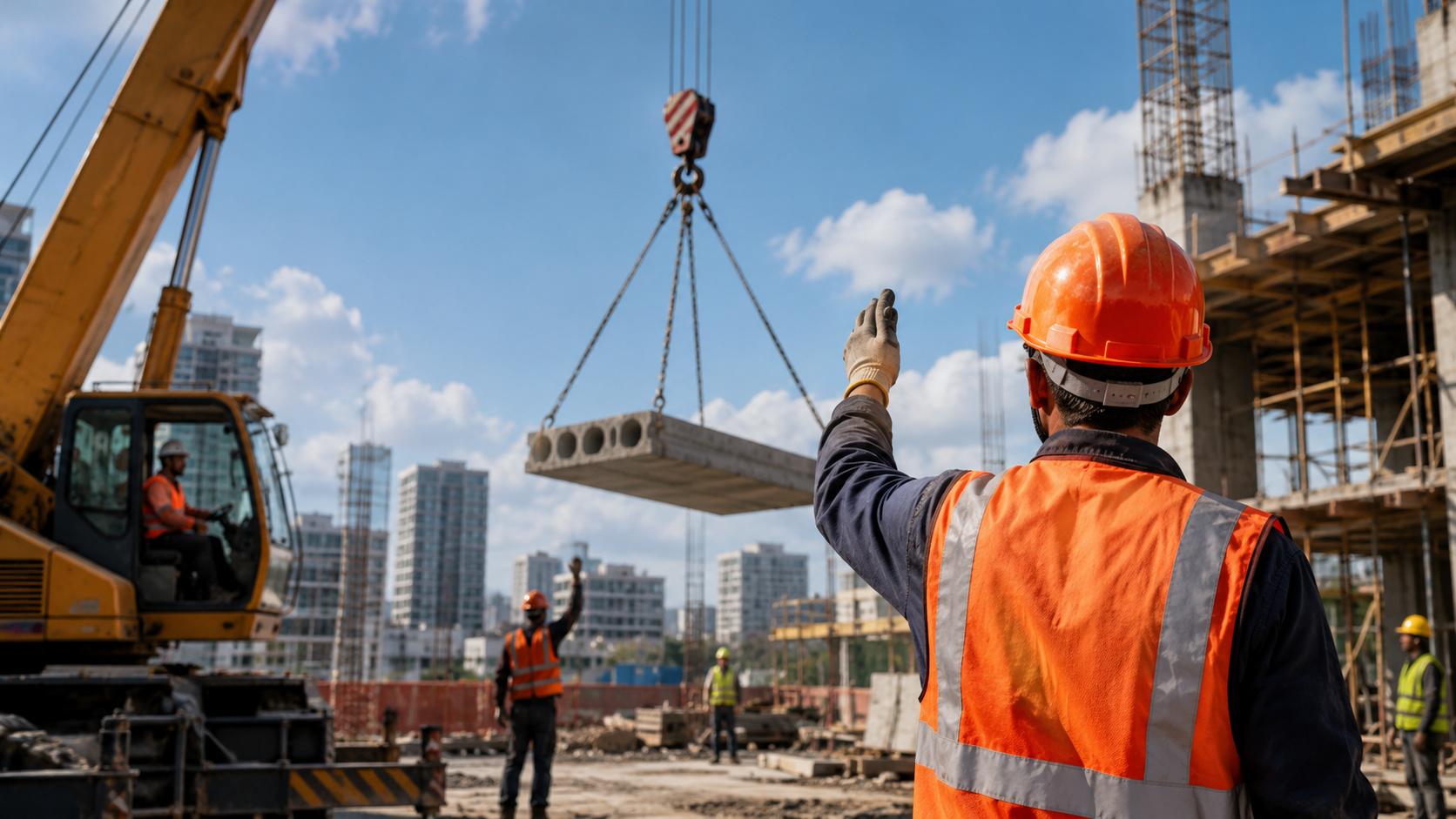
Why can the crane operator only obey the correct signalman on the construction site: among dozens of workers, a hand raised by the wrong person can confuse the maneuver and turn a load of tons into an immediate risk.

-
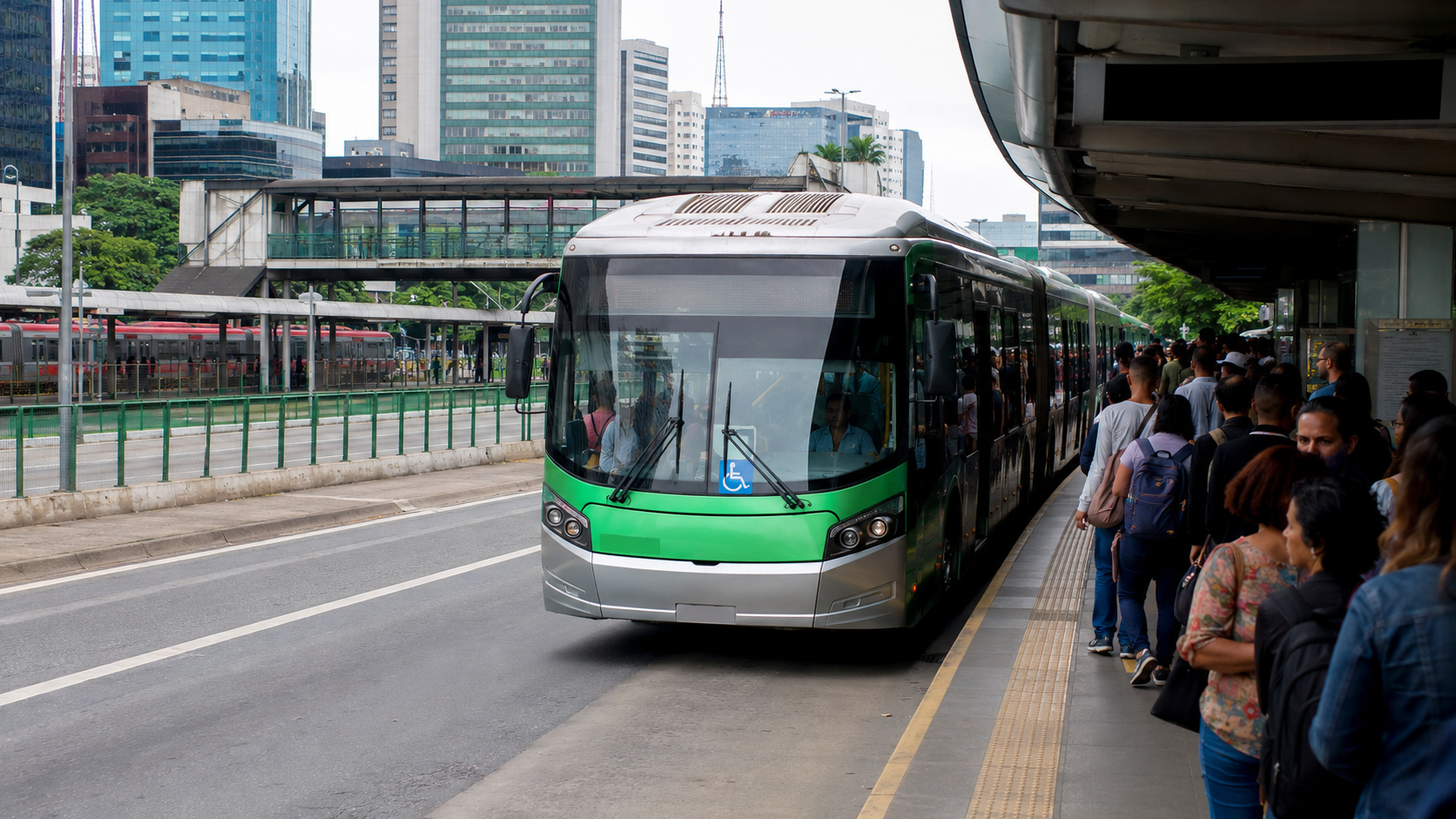
What changes with the new public transportation rules that can reduce pressure on fares and pave the way for zero fare in Brazil?
-
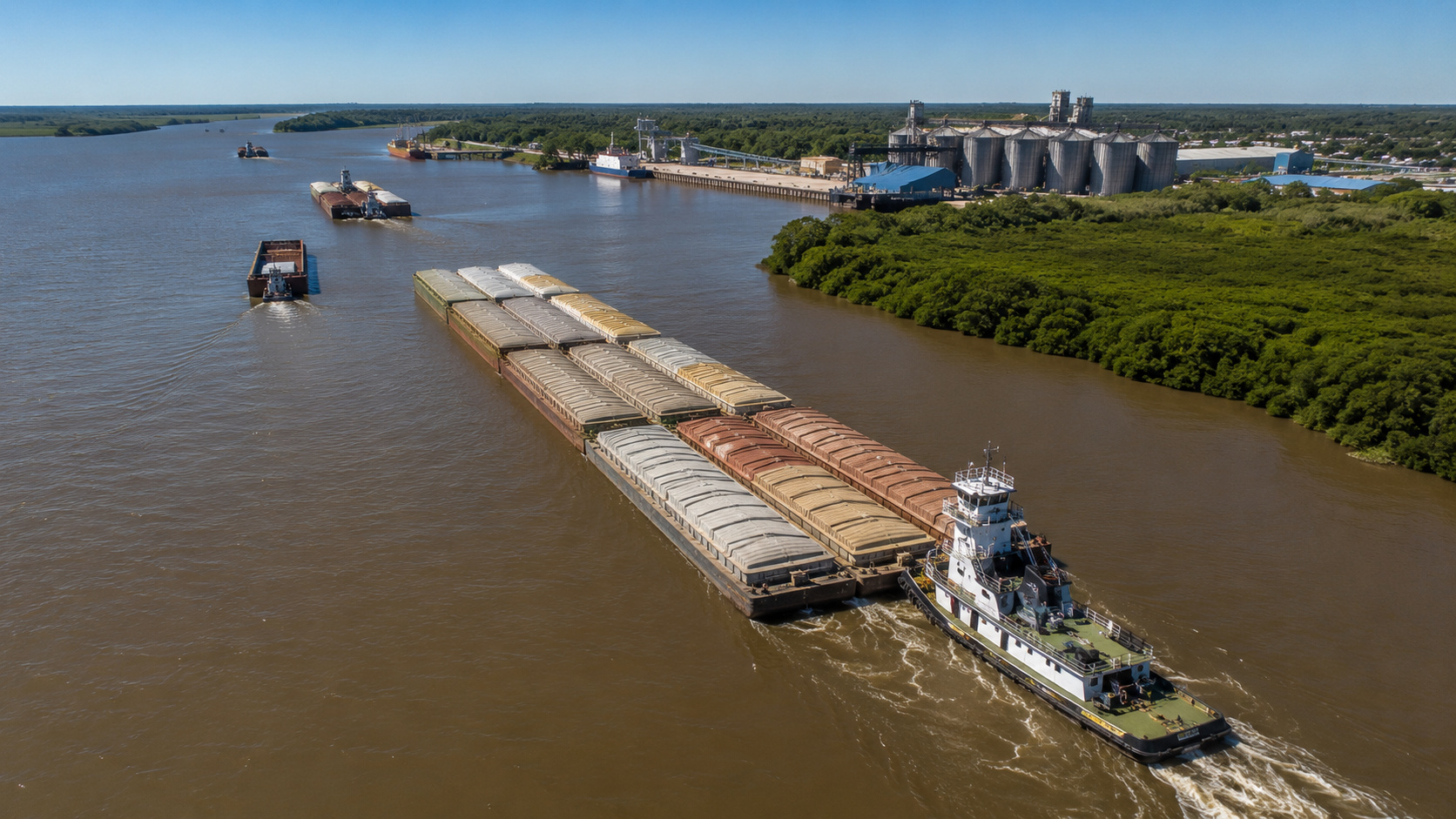
Argentina confirms Belgian giant to lead strategic Paraná River waterway and promises to reduce logistical costs on one of South America’s most important routes
-
MBRF surprises the logistics sector by demonstrating how Artificial Intelligence can directly influence deliveries throughout Brazil by reorganizing distribution routes in seconds, optimizing fleet usage, reducing logistics costs, and speeding up product arrivals even in the face of unforeseen road incidents.


The main passage routes, such as Khorgos / Nur Zholy, have ceased to be simple customs posts. They have transformed into logistics complexes with sorting yards, multiple traffic lanes, X-ray scanners for heavy cargo, and integrated digital systems.
The logic is industrial: increase capacity, reduce inspection time, and maintain strict control without interrupting the flow.
The Surge In Numbers Explains The Urgency
In just one year, the volume of vehicles crossing the border jumped from about 200,000 to over 700,000, forcing the adoption of 24-hour-a-day, seven-day-a-week operations at strategic points.
This growth made it clear that territorial control could not rely solely on manual monitoring. Sovereignty has come to require engineering, technology, and scale.
While there are sections with physical fences, the central element of the China-Kazakhstan border is active control. Metal barriers, automated gates, exclusion zones, and inspection corridors are part of the same system.
The border functions as a technical filter: everything that enters or exits goes through a standardized, monitored, and measurable process.
Khorgos: When The Border Becomes A Dry Port
The Khorgos axis has established itself as one of the largest land hubs in Eurasia. There, the border operates as a dry port, with cargo sorting, sanitary checks, customs control, and logistical redistribution.
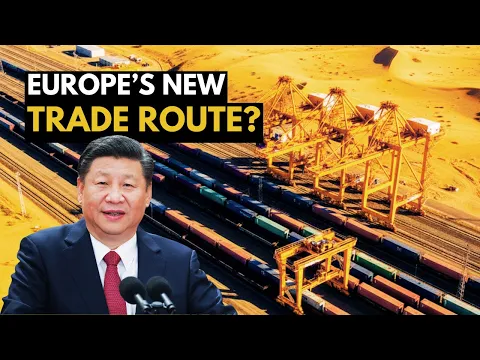

At this point, sovereignty ceases to be an abstract concept and becomes physical infrastructure in continuous operation.
Unlike other global examples, there is no single official number that indicates “X kilometers of continuous fence” along this border. The strategy adopted has been flexible and adaptive, reinforcing barriers where the risk is higher and investing in technology where the flow is intense.
This approach avoids unnecessary blockages and keeps commercial corridors active, without giving up control.
Engineering At The Service Of Geopolitics
Each scanner installed, each lane expanded, and each physical barrier reinforced is part of a larger logic: ensure sovereignty without stifling trade. The border thus transforms into a living infrastructure, adjusted according to traffic volume and identified risks.
It is engineering applied directly to geopolitics.
At the China-Kazakhstan border, the territory is not only monitored, it is built and rebuilt every day. Sovereignty manifests in concrete, steel, sensors, and logistical processes.
Instead of a symbolic wall, what exists is something more complex and effective: a 1,765 km line that needs to function like a machine, regulating flow, protecting strategic interests, and sustaining one of the most important trade routes on the Eurasian continent.
In this case, controlling the territory does not mean closing it off but engineering it.


