






 Portuguese
  Spanish


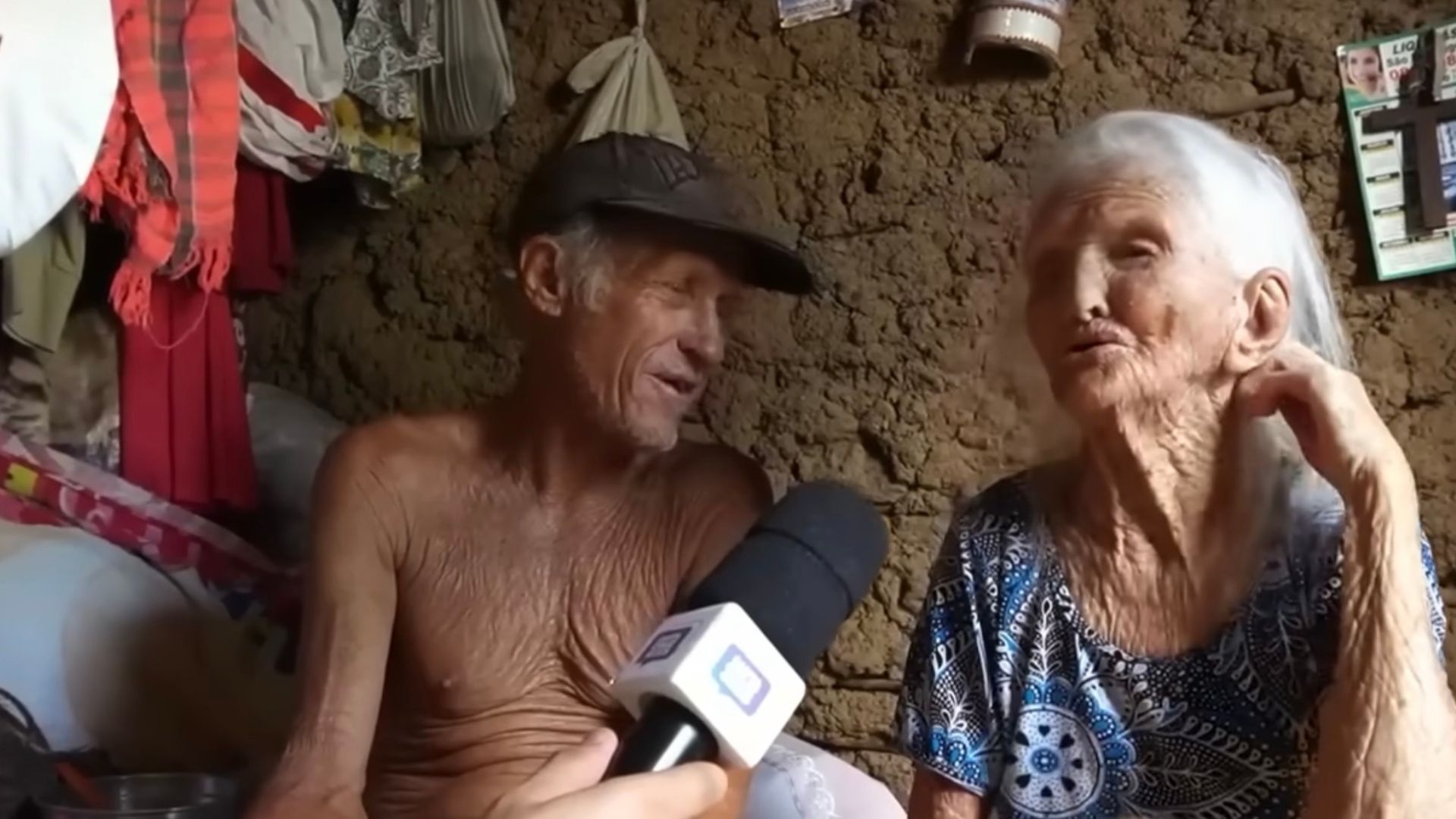


Born on March 5, 1905, Brazilian of 116 Years Crossed Two Centuries and Becomes a Reference to Understand the Demographic Evolution of the Country
A woman born on March 5, 1905, has reached 116 years of age and has become part of the rare list of the longest-lived people in Brazil. Currently recognized as the oldest living woman in the country and the second oldest in the world, she represents a statistical milestone in a scenario where the average life expectancy of Brazilians hovers just over 70 years.
The information was disclosed by “Portal Nordeste Vivo,” according to a video-based report shared on social media by resident Joelson, who provided data on the woman’s age, birthplace, and life story. According to the channel, she lives on the Bandeira farm, in the rural area of Brejo da Madre de Deus, Pernambuco, where she has remained for practically her entire life.
However, more than an individual case, the 116 years of this Brazilian allow us to observe the demographic transformation of the country over more than a century. When she was born in 1905, Brazil was still facing high rates of infant mortality, limited access to medical services, and poor infrastructure in rural areas.
-
Brazilian Mayor Goes Undercover as Homeless for 24 Hours to Assess Public Services

-
15-Year-Old Entrepreneur Malu Lira Publishes 20 Children’s Books on Financial Education, Earns $500,000, and Expands Her Project to the Amazon Rainforest
-
Entrepreneur Turns Rio Cemetery Canteen into a Successful Snack Chain Generating $4.9 Million Annually and Expanding to Metro Stations

-
Rare fox feared “extinct” found alive on Caribbean island after over two decades without official sightings





From Brazil in 1905 to the 21st Century: How Life Expectancy Changed
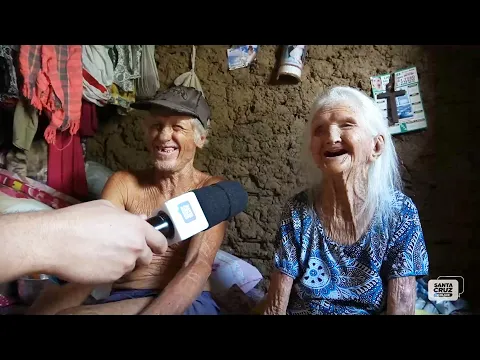

In 1905, Brazil recorded an average life expectancy of less than 35 years. Since then, the country has undergone profound sanitary, economic, and social changes. Throughout the 20th century, public policies on vaccination, increased access to treated water, and expansion of the healthcare system contributed to gradually raising the longevity of the population.
In this context, reaching 116 years represents a rare demographic phenomenon. Statistically, individuals who surpass the age of 110 are classified as supercentenarians. Therefore, the mark achieved by this Brazilian positions the case within an extremely restricted group in the world.
She had a total of 14 siblings. However, only two reached adulthood, a figure that illustrates the high mortality rates at the beginning of the 20th century. Her first child, who was two years older than Pedro, passed away just six days after birth. Later, Pedro was born, who is now 62 years old and already retired.
Moreover, the elderly woman has not walked for about 12 years and remains in an adapted bed within her own home. Still, she retains periods of lucidity and can recall episodes from her childhood and youth, providing accounts of the rural way of life from decades past.
During her youth, she worked in typical local agricultural activities, such as harvesting caruá, producing ropes for sale, and assisting with the tilling with a hoe. At that time, food preparation occurred on wood stoves, as there was no money for gas, and meals varied according to availability.
Longevity, Family Bonds, and Structured Routine
Currently, she receives daily care from her son Pedro and daughter-in-law. Pedro wakes up early to perform activities on the farm and also organizes his mother’s meals. He regularly buys 1 kg or 2 kg of ripe string beans, her preferred food, as well as rice, pasta, and, when requested, fish or chicken breast.
She does not maintain a fixed schedule for meals. When she feels hungry, she requests food. On some days, she prefers biscuits with milk; on others, she consumes small portions of beans or rice. Her consumption is low and adapted to her physical conditions.
When asked about the secret to living for 116 years, she responds directly: “To die, just a sneeze is enough. I’ve already passed the time.” The statement demonstrates awareness of her own age and a serene perspective on aging.
Pedro claims that he has never been away for long periods. At one point in his life, he spent two periods—one of 7 years and another of 5 months—living in a cardboard house in another region. Still, he maintained the bond and returned whenever possible.
She has broken three beds over the years and currently uses a new one donated six months ago by an acquaintance. Although she does not enjoy a daily bath, she likes to comb her hair and wear perfume, maintaining personal habits.
From a demographic standpoint, cases like this help researchers understand factors associated with extreme longevity, such as stable routines, consistent family bonds, simple diets, and environmental contexts less exposed to large urban centers.
Therefore, the trajectory of this Brazilian born in 1905 allows a concrete observation of the evolution of life expectancy in Brazil. From a country where the average did not exceed 35 years at the beginning of the 20th century to a nation where it surpasses 70 years, the individual story connects with the collective transformation.
And you, when analyzing how life expectancy in Brazil has more than doubled since 1905, do you believe the country is prepared to deal with an increasingly long-lived population?
Source: Santa Cruz







Bons hábitos associados a boa genética fazem isso. Li muitas matérias em revistas europeias nos anos 70. Hoje preferem ultraprocessados. Na época da covid houve muitos idosos se recuperando bem por isso. Eu trabalhava na área da saúde na época.
Pedro deve ser neto dela….
A não ser que ela tenha tido um filho aos 54 anos…
Yo también estaba haciendo mis cuentas cuando leí tu comentario
🙏🙏🙏🙏🙏🙏🙏👏👏👏👏👏👏👏
Que bela Reportagem! Que lição de Vida de Dona Rita e Filho. Que Amor indescritível!!! Esta Mulher guerreira não era pra estar mais nestas condições. Pessoas no seu entorno, o poder público, pessoas de Coração puro ( só os Puros de Coração verão a Deus, diz o texto bíblico) deveriam está dando assistência social da melhor maneira possível. Dona Rita, Eu moro longe, fica difícil poder ajudar. Todavia, peço a JESUS CRISTO que use, toque algum Coração bondoso pra estender as mãos para Ela. 🤝🫱🫲🤝🫱🤝🙏🕊️🤗 . Osmar Silva Coelho. OsMARaviLHA ❤️❤️❤️