Portuguese
  Spanish


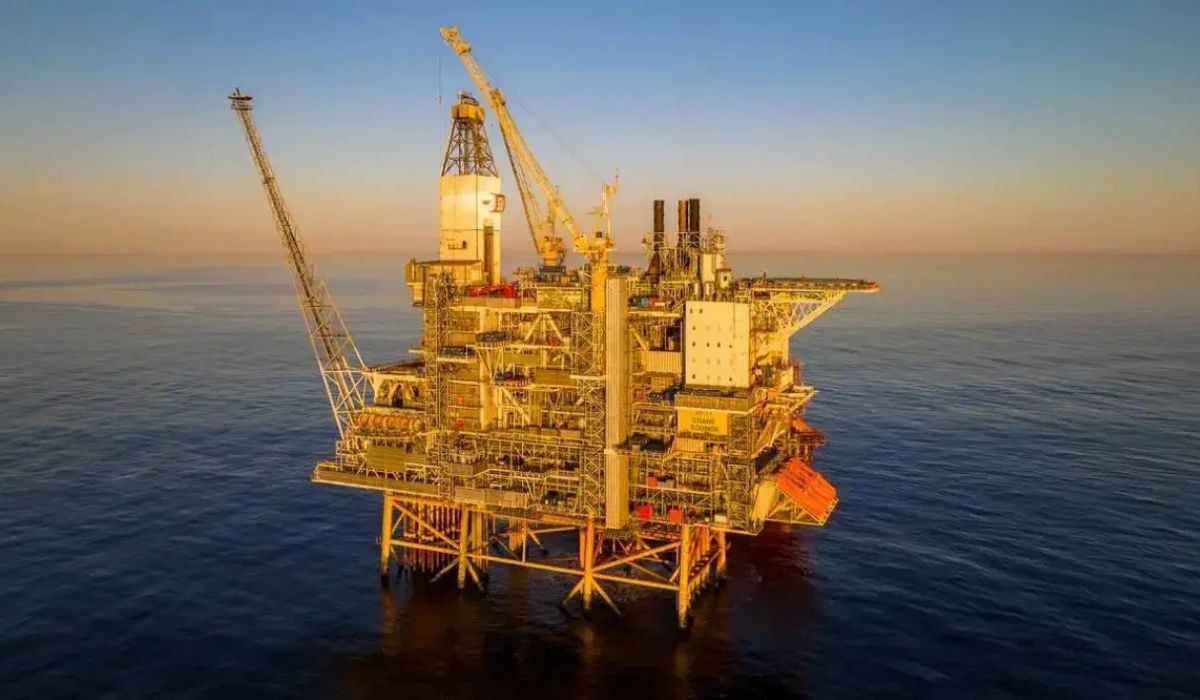


Condensed Routine at Sea, Long Periods of Time Off, and an Unconventional Career Explain How a Norwegian Engineer Under 30 Balances Few Days Worked Per Year with High Compensation in One of the Industry’s Most Demanding Sectors.
With concentrated shifts in two-week cycles at sea and long periods of time off on land, 29-year-old Norwegian Amalie Lundstad maintains an unusual work routine by urban standards.
She works as a process engineer on oil rigs in the North Sea, an area known for its harsh weather conditions and large-scale industrial operations.
Reports published in the international press indicate that professionals with this profile can earn between 900,000 and 1.3 million Norwegian kroner per year, an amount that varies depending on the role, years of experience, and contract stipulations.
-
A 24,200-ton oil platform is removed from the North Sea in just 10 seconds and taken to be scrapped on land, in an operation where more than 97% of the Brent Delta structure was reused or recycled.

-
Ocyan takes AI and data to the FPSO Brazil Congress 2026 to showcase how digital technologies can enhance safety, integrity, and performance in next-generation FPSOs.

-
Sodexo debuts unique maritime hospitality on Seagems ship to transform the well-being, food, and comfort of offshore professionals.

-
European ship will transport captured CO₂ to be stored under the North Sea as the Greensand project prepares the first industrial offshore storage in the European Union to operate in 2026 with an initial target of 400,000 tons per year in Denmark.




In conversions made by Brazilian outlets, this compensation typically appears as a monthly salary close to R$ 55,000, before taxes and deductions.
The numbers are striking but are directly tied to a specific work model that concentrates the workload into intensive periods.
In the offshore regime, workdays do not distribute continuously throughout the year.
Instead, activities are concentrated in closed cycles, interspersed with long sequences of rest on land.
Offshore Schedule and the Logic of 115 Days Worked
According to Portal6, the most common model on rigs in the North Sea provides for 14 consecutive days of work.
During this period, the professional remains fully on the unit, without returning to the mainland.
At the end of the cycle, a time-off phase begins, which can last a similar duration depending on the company’s schedule.
With this dynamic, the total number of days actually worked throughout the year can be around 115, a number frequently cited in Brazilian reports on the subject.
This is a calculation based on the sum of the boarding periods, not on a traditional weekly schedule.
Travel to the platform also integrates the work routine.
In operations close to Norway’s coast, the journey often involves domestic flights and, in the final stage, helicopter transport.
This type of logistics is standard in the offshore industry and follows specific safety protocols.
Professional Training and Adaptation to Work on Platforms
Before entering the oil and gas sector, Amalie Lundstad underwent military service, an experience mentioned in international reports as part of her professional journey.
According to these accounts, prior training helped her adapt to environments with strict rules, clearly defined hierarchies, and constant demands for attention to procedures.
On the platform, the routine is marked by technical tasks that vary according to the day’s operations.
In an interview cited by foreign media, the engineer stated that “no day is the same as another” when referring to the demands that arise during shifts.
The statement is associated with activities related to monitoring, process adjustments, and responding to operational situations.
The schedules also follow a specific pattern.
Shifts can start early in the morning or in the early evening, alternating between day and night shifts throughout the boarding periods.

This model requires adaptations in sleep and nutrition, a reality common among offshore workers.
Operational Safety at the Center of the Offshore Routine
On oil rigs, safety is treated as operational priority.
The presence of high-pressure equipment, flammable substances, and complex systems ensures that every task is preceded by checks and formal authorizations.
In Norway, offshore activities are regulated by government agencies that monitor risk indicators and record incidents over time.
Public sector reports point out that continuous monitoring and standardization of procedures are measures adopted to reduce the occurrence of accidents.
In addition to operations on the platform, air transport is also a relevant part of the safety debate.
The use of helicopters in the North Sea has already prompted investigations and adjustments to protocols following occurrences in the region.
These episodes have led companies and authorities to review procedures whenever necessary.
High Salary and Impacts Beyond Compensation
The figures associated with an offshore career often include incentives for hazard pay, night work, and remote location.
As a result, annual compensation can vary significantly among professionals in similar roles.
Although the financial amount is one of the most highlighted aspects in reports, it is not the only factor considered by those working in the sector.
The boarding regime implies extended time away from home, which affects participation in holidays and family commitments.
According to labor market experts consulted in reports on this topic, this type of schedule requires personal planning and support outside the professional environment.
Adaptation involves not only physical endurance but also the ability to deal with periods of isolation and frequent changes in routine.
Even with long breaks on land, the time away from the platform is often divided between rest, reorganizing daily life, and preparing for the next boarding.
Thus, the annual calendar ends up being structured around work cycles.
Stories like that of Amalie Lundstad help illustrate a career model that deviates from the traditional standard, but raise a recurring question in reports on the subject.