





 Portuguese
  English
  Spanish
  3 min of reading


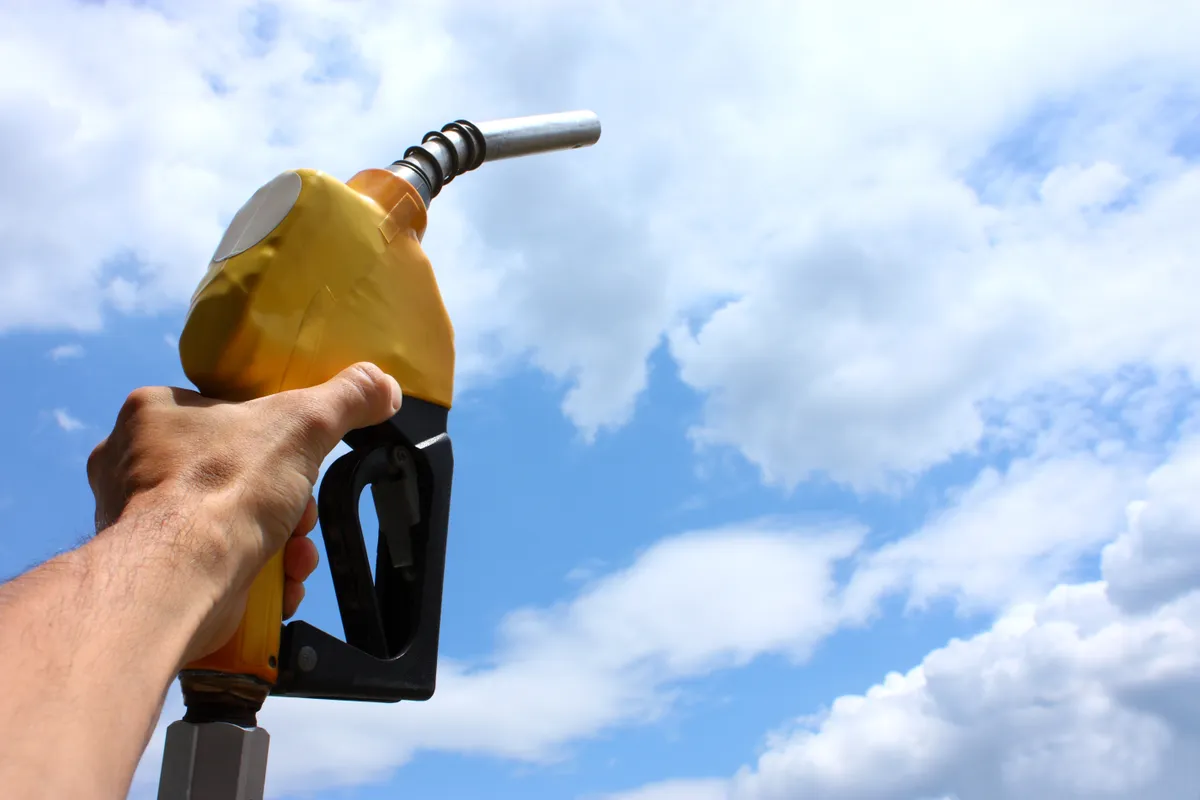
The National Secretariat of Consumer (Senacon) of the Ministry of Justice has decided to initiate administrative proceedings due to the increase in fuel prices registered at gas stations at the turn of the year.
The preliminary investigations have begun involving resellers, distributors, and even refineries. Its main objective is to clarify the increase in fuel prices and spreadsheets composed of final prices.
The responses sent by the entities representing the gas stations notified due to the price increases were considered unsatisfactory. “No entity presented any evidence justifying the abusive price hike,” commented the National Secretary of Consumer, Wadih Damous.
The sanctions provided for in the proceedings range from fines to a Conduct Adjustment Term (TAC). At the beginning of January, Damous issued a statement on his social media, announcing that he would notify the gas stations that had raised prices. According to him, this action was similar to “orchestrated activity.”
-
From Clothing to Snack Empire: How a Brazilian Family Business Challenges Global Giants and Aims to Reach R$ 200 Million in Revenue by 2026

-
A project in Brazil that cost billions and was intended for the World Cup has been abandoned for over 10 years, and now the government is going to auction its parts: tracks, railway signals, and VLT equipment are on the list.

-
Government announces R$ 2.2 billion to expand cancer treatments in the SUS with high-cost medications, robotic surgery, and breast reconstruction.

-
“Tax-free” gasoline: Luciano Hang announces a discount of R$ 2 per liter at Havan gas stations in Santa Catarina to show the weight of taxes on Brazilian drivers’ wallets and also brings Tax-Free Day to the 191 megastores in the country.





Senacon notified seven entities of gas stations in the states of São Paulo (2), Rio de Janeiro (4), and Paraná (1), between January 4 and 6. These entities had until January 11 to send their justifications to the Secretariat.
Jean Paul Prates received nominations for Petrobras; the future president of the state-owned company held a meeting with different factions of PSB, PSCdoB, and PT to define nominations for the board.
“He has also been speaking with members of the market, academics, and those from Petrobras in search of nominations. During the transition at the oil company, which should take several more weeks, Prates has also been meeting with the current board, indicating that he intends to retain high-level technical personnel from the new company’s management,” he reports.
One of the names mentioned is that of the former president of the Energy Research Company (EPE), Maurício Tolmasquim, who was considered for a new board focusing on energy transition and decarbonization. Lula and Alberto Fernández are reigniting Brazil-Argentina integration in the natural gas sector; the meeting of the two presidents later this week could mark the resumption of the integration project between the countries, which was initiated over two decades ago but has not been truly completed.
The wait for a license to drill the equatorial margin costs Petrobras about US$ 1 million per day. This estimate comes from Wood Mackenzie and includes the drilling platform, three helicopters, support boats, and even workers.
Brent was trading up 0.43% at US$ 88.01 per barrel on Monday morning (01/23). On Friday (01/20), driven by a weaker dollar and positive expectations surrounding Chinese demand, Brent closed the session up 1.71% at US$ 87.63 per barrel, rising about 1.60% for the week.
Cooperatives will produce green hydrogen derivatives from biogas in Paraná. This project is being developed through a public-private partnership between Brazil-Germany Cooperation for Sustainable Development, the German group Mele, and the agricultural cooperatives Coopersan and Ambicoop. This plant will be capable of producing over 88,000 tons of sustainable fuel per year, using H2V and pig manure methanization.









Be the first to react!