





 Portuguese
  English
  Spanish
  3 min of reading


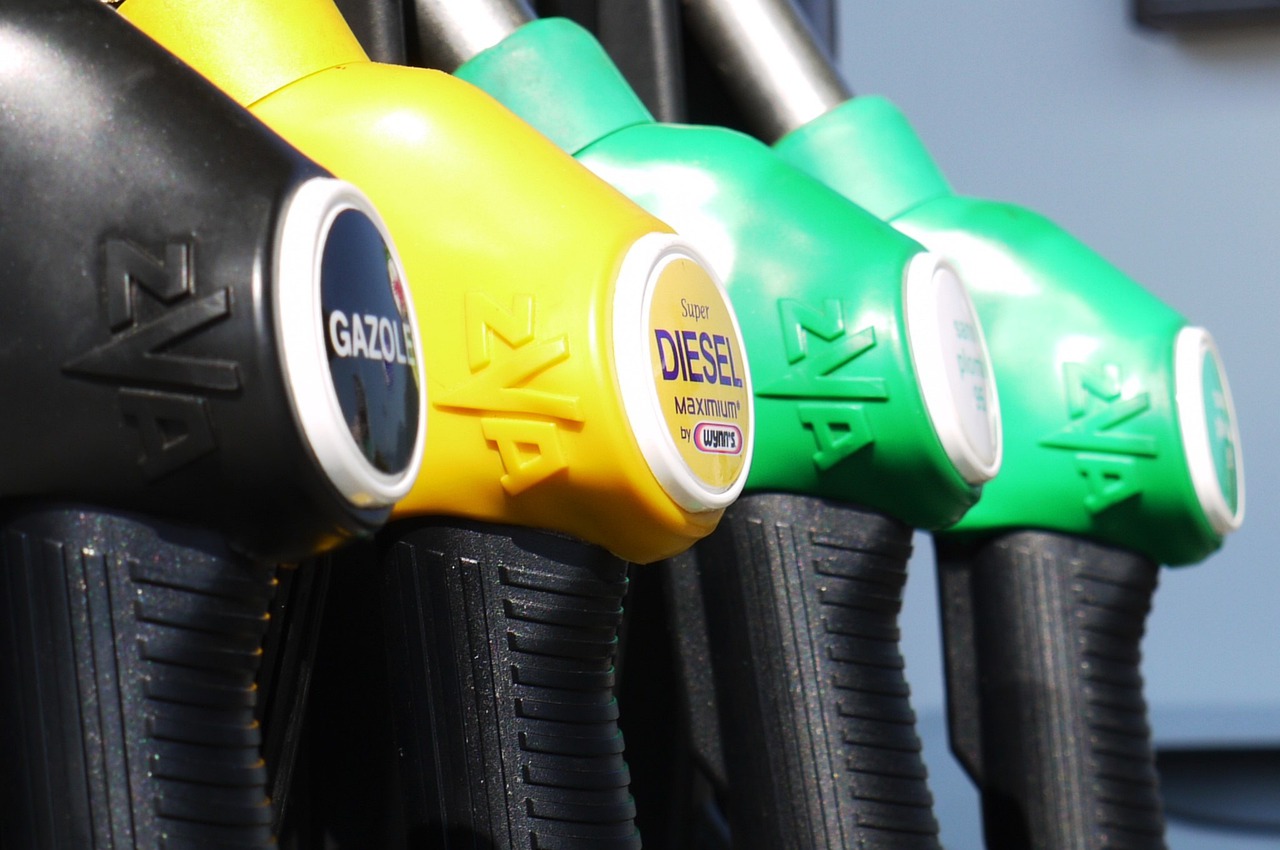
President Bolsonaro Has Been Constantly Seeking, In Recent Months, To Reduce The Prices Of Diesel And Ethanol, This Is Due To Pressure From The Federal Government Caused By So Many Consecutive Increases In Fuels, That Until Then, Were Considered The Cheapest.
On Tuesday, (07/19), the Federal Government Announced That It Seeks To Reduce The Prices Of Common Diesel And Ethanol, The Presidency Showed Concern, Since The Prices Charged For Gasoline Have Been Falling More Than Other Fuels, For Example. The Rise In Fuel Prices Outrages The Population, Which Puts Pressure On The Government And The Main Distributors.
Compulsory Purchase Of CBios Will Impact Fuel Prices
Thus, The Extension Until The End Of 2023 Of The Deadline For Fossil Fuel Distributors To Prove The Mandatory Purchase Goals Of The So-Called CBios – Decarbonization Credits – Will Have An Effect Of R$ 0.10 On The Average Price Of Diesel, According To Calculations By The Ministry Of Mines And Energy. In The Case Of Ethanol, The Expectation Is That There Will Be A Decrease Of R$ 0.20.
The Drop Occurs With The Entry Into Force Of The Constitutional Amendment Proposal (PEC), Which Increased And Created New Aid, And Also Subsidized The Price Of This Fuel. The PEC Was Promulgated Last Week And Authorized The Federal Government To Compensate Brazilian States That Grant ICMS Credits To Ethanol Producers And Distributors, At A Cost Of About R$ 3.8 Billion By The End Of The Year. The Estimated Potential Drop For The Liter Of Ethanol Is From R$ 4.87 To 4.56 – Dropping To R$ 4.32 With The Promulgation Of The PEC.
-
ANP halts LPG reform, and Sindigás sees technical caution as a decisive point for safety, investments, and the future of the cylinder in Brazil.

-
Oil spill in the Caribbean raises environmental alert and increases tension between Venezuela and Trinidad and Tobago

-
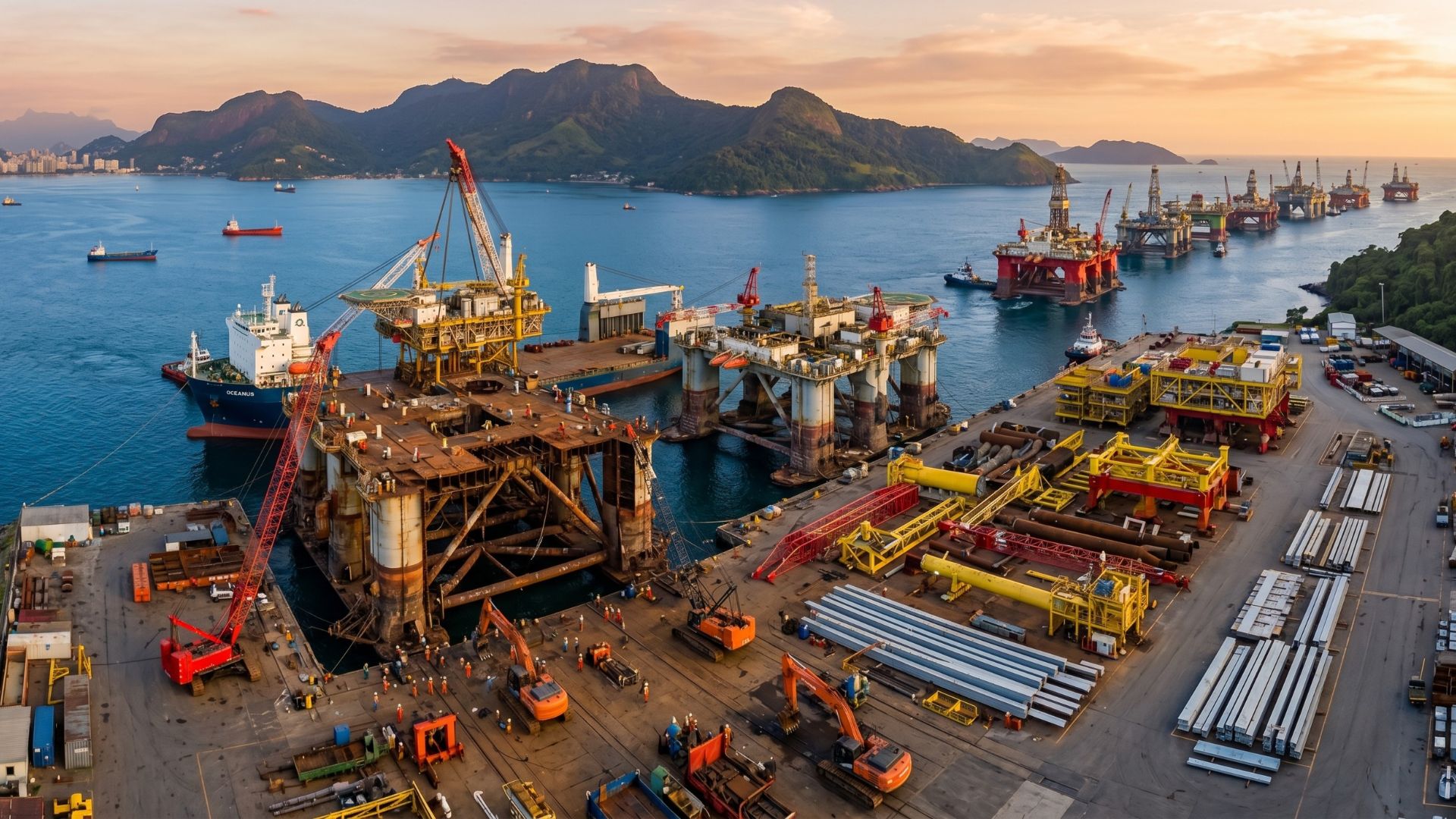
More than 40 Petrobras platforms enter the decommissioning queue and open up a billion-dollar industry in Brazil for cranes, special ships, underwater cutting, and offshore recycling.

-
ANP schedules oil auctions in October and reinforces regulatory predictability for concessions, sharing, and investments in the oil and gas sector




According To The Ministry’s Math, With The Tax Reduction Measures Already Taken, The Liter Of Diesel Could Fall, On Average, From R$ 7.68 To R$ 7.55. As For Gasoline, The Government Calculates A Greater Potential Drop, On Average, 21% Of The Values, With The Potential Drop For Gasoline Being Greater Than For Diesel, The Government Is Focusing On Working On New Measures To Reduce The Prices Of Common Diesel. The Rise In CBios Prices Was One Of The Impasses To This Happening.
Population Pressures The Federal Government To Lower The Price Of Diesel And Ethanol
In This Scenario, The Pressure Suffered By The Federal Government Due To The Rise In Prices Has Been Constant. Therefore, In Office For Two Months, Minister Adolfo Sachsida Has Been Pressured By President Jair Bolsonaro And Leaders Of The Centrão To Pressure Petrobras To Lower Fuel Prices And Ensure That Tax Exemption Measures Reach Consumers. To End The Pressure, The Minister Has Become A Kind Of Spokesperson And Has Made Videos At Gas Stations Showing Price Reductions.
Moreover, The Increase In CBios Prices In Recent Weeks Is One Of The Reasons For The Lack Of Price Reductions In Fuels. It Is Worth Understanding That CBios Represent A Credit Related To Carbon Emissions And Anti-Pollution Practices Of Companies. It Is Issued By Producing And Importing Companies Of Biofuels, Such As Ethanol. Each Ton Of CO2 That Is No Longer Emitted Produces A Carbon Credit.
In Recent Weeks, These Decarbonization Credits Reached About R$ 200, Compared To An Average Price Of R$ 40 In 2021. With The Extension Of The Purchase Deadline, Companies Will Have Until The End Of 2023 To Comply With The Quotas. Thus, The Ministry Requested The Administrative Council For Economic Defense (Cade) To Investigate Possible Violation Of Economic Order Practiced In The Negotiations Of The Asset, To Leave No Doubts.






Be the first to react!