Portuguese
  Spanish


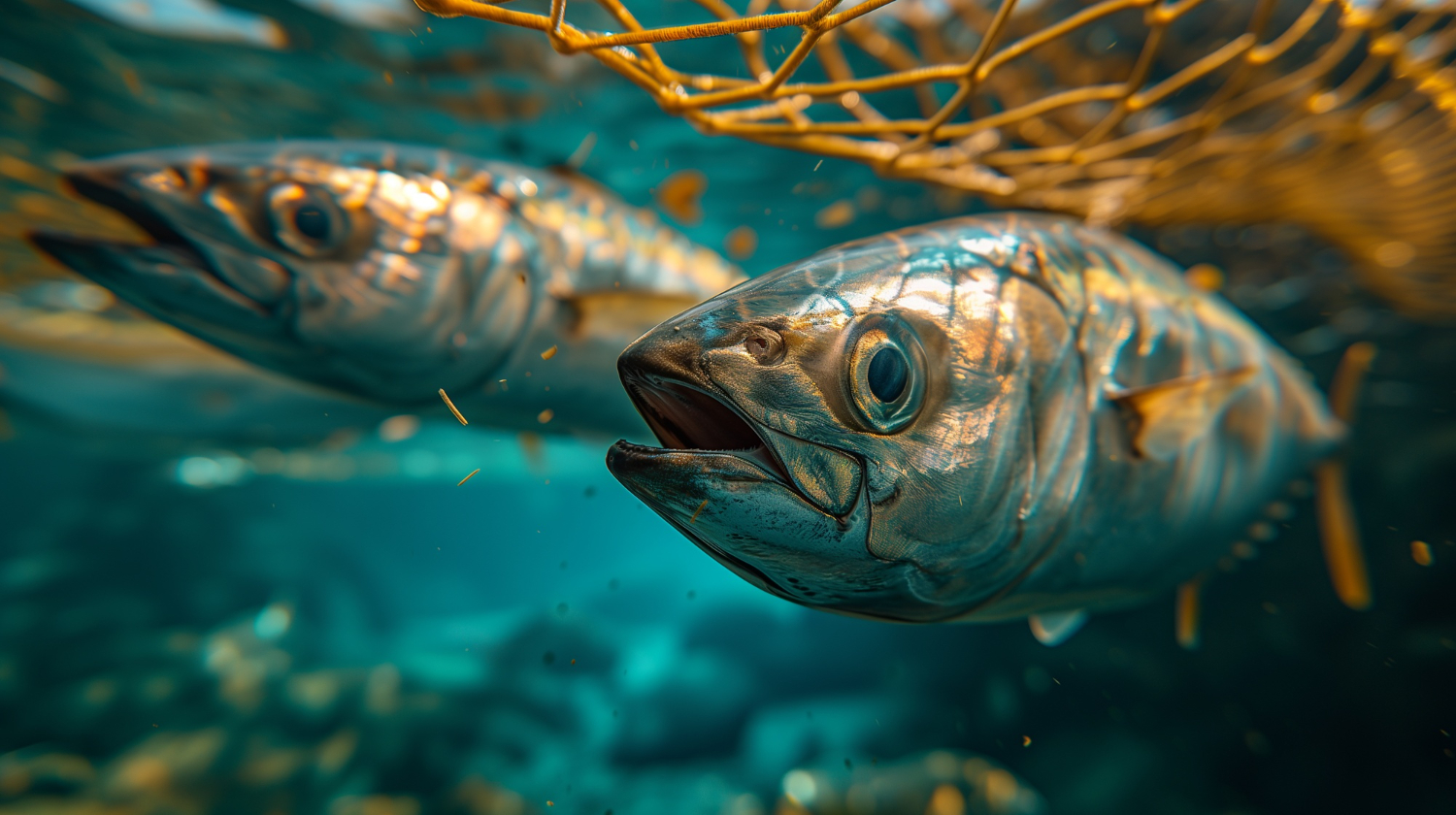

The Aqua Summit, from November 26 to 28 in Palmas (TO), will bring together specialists and institutions to strengthen aquaculture in Brazil, focusing on innovation, public policies, and sustainability
Brazil’s aquaculture gains a new spotlight with the Aqua Summit, which will take place from November 26 to 28 in Palmas, the capital of Tocantins, according to a report published
The meeting aims to gather producers, researchers, investors, and public power representatives to discuss the future of the sector and establish the country as a reference in sustainable fish production.
The event is a partnership between the Secretariat of Fishing and Aquaculture of Tocantins (Sepea), Embrapa Fishing and Aquaculture, and Holus Comunicação.
-
Brazilian Farmer Invents Low-Cost Tractor Using Motorcycle Parts, Efficiently Working 2 Acres on 1 Liter of Diesel

-
Regenerative Farmers Use Keyline Plow to Improve Pasture Hydration, Storing 1 Gallon of Water Every 30 Centimeters

-
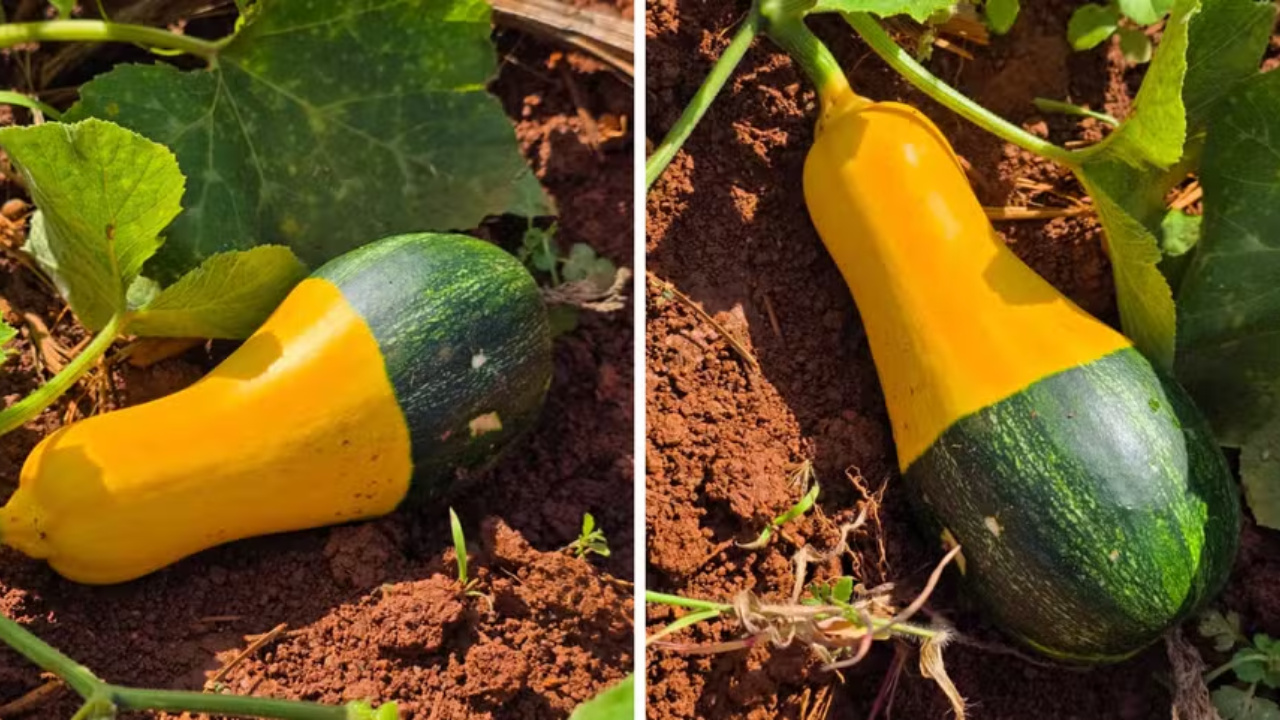
Bicolor Pumpkin Resembling Hand-Painted Art Discovered by Brazilian Researchers in the Capital Due to “Spontaneous Mutation”

-
In China, a 26-story building produces 1.2 million pigs annually, revolutionizing livestock farming with tube feeding and AI surveillance.



The program will begin on the night of November 26, with the opening at the auditorium of the Araguaia Palace Governor José Wilson Siqueira Campos.
The activities on November 27 will occupy the same space, while the morning of November 28 will be dedicated to technical visits to the headquarters of Embrapa Fishing and Aquaculture.
According to the organizers, the proposal is to create an environment of integration and knowledge, favoring the exchange of experiences among the different links of the aquaculture production chain.
Sustainability and Technological Innovation Propel the Production Chain
The Executive Secretary of Sepea, Roberto Sahium, emphasized that the Aqua Summit will be an opportunity to consolidate aquaculture in Brazil as a strategic sector for sustainable development.
He highlights that Tocantins has competitive advantages, such as abundant water resources, a favorable climate, and a central location, but still needs to advance in innovation and training.
“The event creates an essential space to connect producers, researchers, and investors, expanding technical knowledge and attracting new investments,” he noted.
The General Head of Embrapa Fishing and Aquaculture, Danielle de Bem Luiz, adds that the meeting reflects Embrapa’s mission to unite science and practice.
By bringing together producers, industries, and policymakers, the institution seeks to strengthen the link between knowledge and application, promoting food security and income generation.
This synergy between research and market has proven essential for advancing the sustainability and competitiveness of aquaculture in Brazil.
Public Policies and Training Strengthen the Productive Sector
Since the establishment of Sepea in 2023, Tocantins has promoted a series of actions to improve the management and expansion of aquaculture in Brazil, focusing on local producers.
Roberto Sahium highlighted measures for deregulation and regularization, simplifying licensing processes and the allocation of aquaculture areas.
These actions have ensured more agility and legal security for new enterprises.
Another highlight is the strengthening of partnerships with research institutions, such as Embrapa and Ruraltins (Institute for Rural Development of the State of Tocantins), to provide technical assistance, technology, and training to aquaculture communities.
According to Sahium, these initiatives lay the groundwork for more sustainable and profitable production practices.
In 2024, Law No. 4.508, which established the Fishing and Aquaculture Trail Program, also came into effect.
The project already has Cooperation Agreements signed with 14 municipalities in Tocantins, of which 11 have drafts of municipal fishing and aquaculture policies pending in local chambers.
The Director of Aquaculture Development at Sepea, Thiago Tardivo, emphasizes that the measure integrates regional efforts and reinforces the state’s prominence in the national scenario.
Production, Data, and Perspectives for National Growth
Currently, Tocantins ranks 17th among the producing states in the country, with 18,100 tons of fish recorded in the last year, a volume mainly composed of tambaqui.
In 2023, there were 17,556 tons, and in 2022, 17,350 tons, according to the Yearbook of the Brazilian Aquaculture Association (Peixe BR).
Paraná leads the national ranking, with more than 250,300 tons produced in 2024.
These numbers indicate that there is room for the growth of aquaculture in Brazil, especially in regions like Tocantins, which has the potential to integrate the environmental, economic, and social pillars of sustainability.
By hosting the Aqua Summit, the state positions itself as a reference in the discussion about innovation, technology, and public policies aimed at strengthening the sector.
With the presence of government representatives, research institutions, and entrepreneurs, the event is expected to mark a new chapter for the production chain, highlighting the role of science and cooperation between public and private sectors in consolidating a modern and sustainable aquaculture in the country.