Portuguese
  Spanish


With Optimized Planting Systems And Strategic Harvesting Beginning In Spring, Australia’s Mango Production Impresses With Scale, Applied Technology And Global Export
Australian Farmers are transforming mango cultivation with efficient methods that allow for harvesting more than 40 thousand tons per year, in large rural areas distributed across various regions of the country. The harvest begins in spring, after two to three years of cultivation, and follows a rigorous process that includes growth support techniques, manual and mechanized harvesting, as well as packaging and international export.
Mango crops in Australia stand out in the global agribusiness scene due to their high yield and production organization. During the Australian spring, farmers begin planting new trees, taking advantage of the ideal climate conditions for seedling development. On average, the time between planting and the first harvest ranges from 24 to 36 months, requiring careful planning and land management.
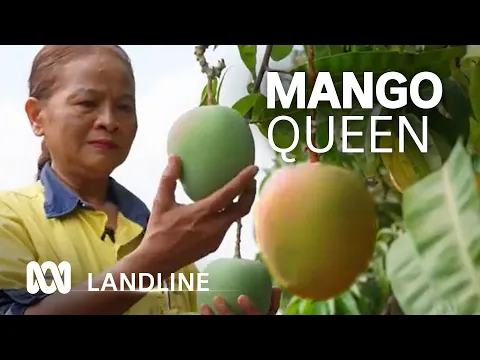

To ensure proper growth and prevent tree leaning, Australian Farmers use tensioned steel cables, which serve as physical support and guide the branches during maturation. This practice prevents losses and facilitates harvesting, optimizing labor in the field. In certain regions, the system also includes controlled irrigation and climate monitoring.
-
Brazilian Farmers with Basic Education Create Backyard Machines That Win National Invention Contest, Beating 242 Projects

-
Brazilian Farm Innovates with Cage-Free Chickens, Producing 3,300 Odorless Eggs Daily

-
From Selling Unsold Saplings to Creating Brazil’s Most Awarded Olive Oil Brand with 330 Accolades and a $12 Million Goal by 2026
-
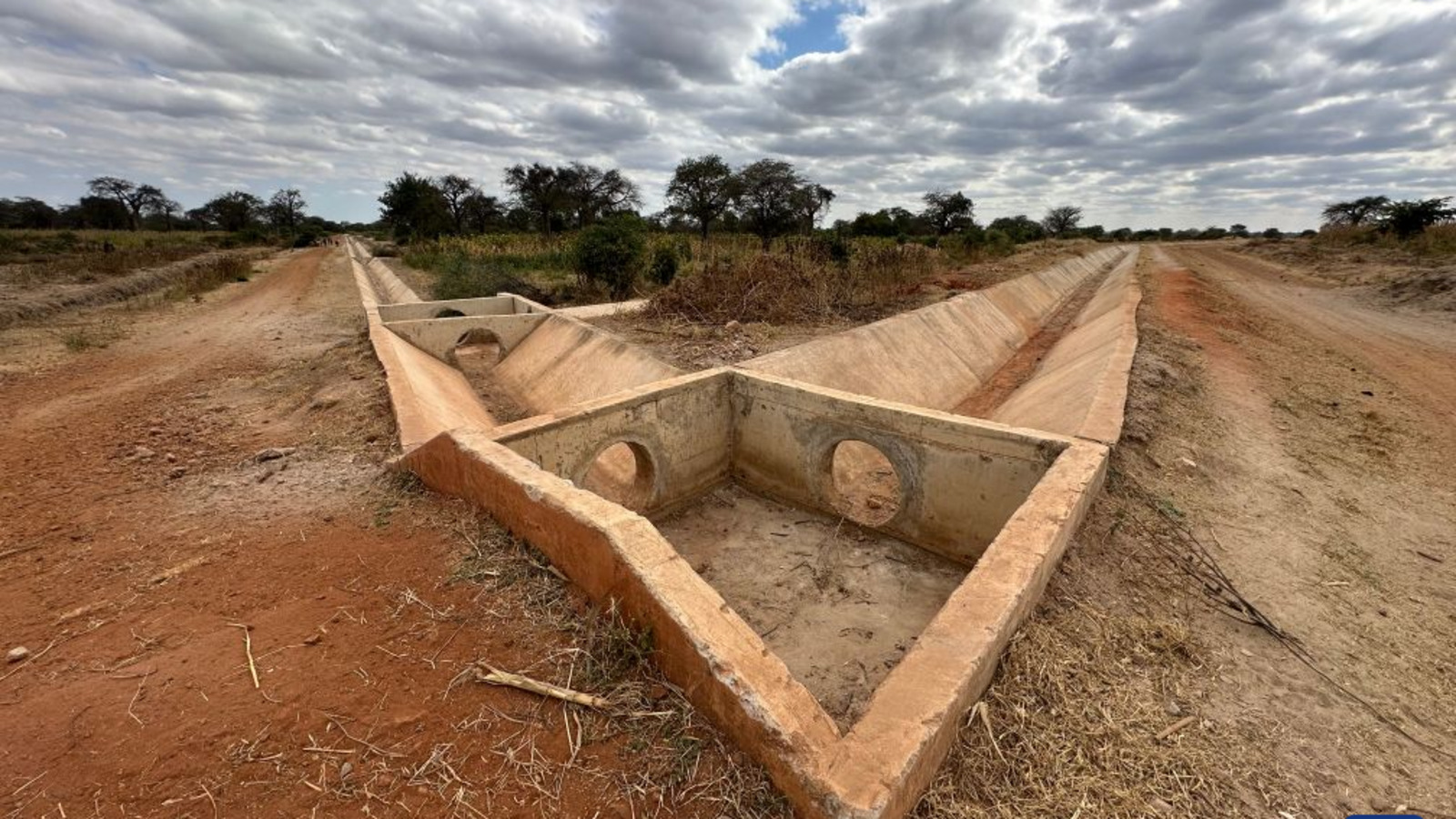
China Builds 400-Hectare Irrigation System in Tanzania to Aid 1,000 Families Dependent on Rainfall


With blooming underway, the production cycle lasts approximately 105 days until the fruits reach the ideal point for harvesting. The flowering and ripening phase is monitored precisely, ensuring high-quality mangoes for both domestic and international markets.
Precise Harvesting And International Distribution Of Australian Farmers
In the harvesting phase, the fruits are picked manually or with the help of specific tools, depending on the height of the trees. Australian Farmers train their teams to make precise cuts and avoid damage to the fruits, which increases the market value of the production.
Immediately after harvesting, the mangoes are sent to specialized factories for processing and packaging. In these facilities, the fruits are washed, sorted, graded, and packaged, adhering to strict quality and hygiene standards. A significant portion of the production is also directed to the juice and frozen food industry, such as ready-to-eat mango pieces.
In addition to meeting the demand of Australian Supermarkets, the farms allocate a large portion of the production for export, consolidating the country as one of the global leaders in fruit trade. Countries in Asia, Europe, and North America are among the main buyers of Australian mangoes, recognized for their sweetness and texture.
Technology And Environmental Care
The work of Australian Farmers is also noted for the adoption of technologies aimed at sustainability and food safety. The processing factories maintain rigorously sanitized environments, with temperature, humidity, and air exposure control protocols. Each stage is monitored to ensure the integrity of the product until the final destination.
The frozen mango market is also growing in the country. After being peeled and cut, the fruits are packaged and stored at low temperatures, ready for consumption throughout the year. This segment is strategic to reduce losses and increase the shelf life of production, as well as facilitate transportation to distant markets.