Portuguese
  Spanish


Stellar Explosion 3,000 Light-Years Away Could Be Seen With The Naked Eye, Offering A Unique Opportunity For Astronomical Observations And The Study Of Cosmic Characteristics
In the night sky, where the constellations appear fixed and unchanging, a long-awaited event is unfolding. A massive stellar explosion, located thousands of light-years from Earth, is about to occur and could be visible to the naked eye.
These surprising characteristics promise to shake up the observation of space and attract the attention of astronomers and enthusiasts.
T Coronae Borealis: A Binary System
The T Coronae Borealis system consists of two stars located about 3,000 light-years from Earth. It contains a white dwarf and a red giant. The red giant is a star in its final stages.
-
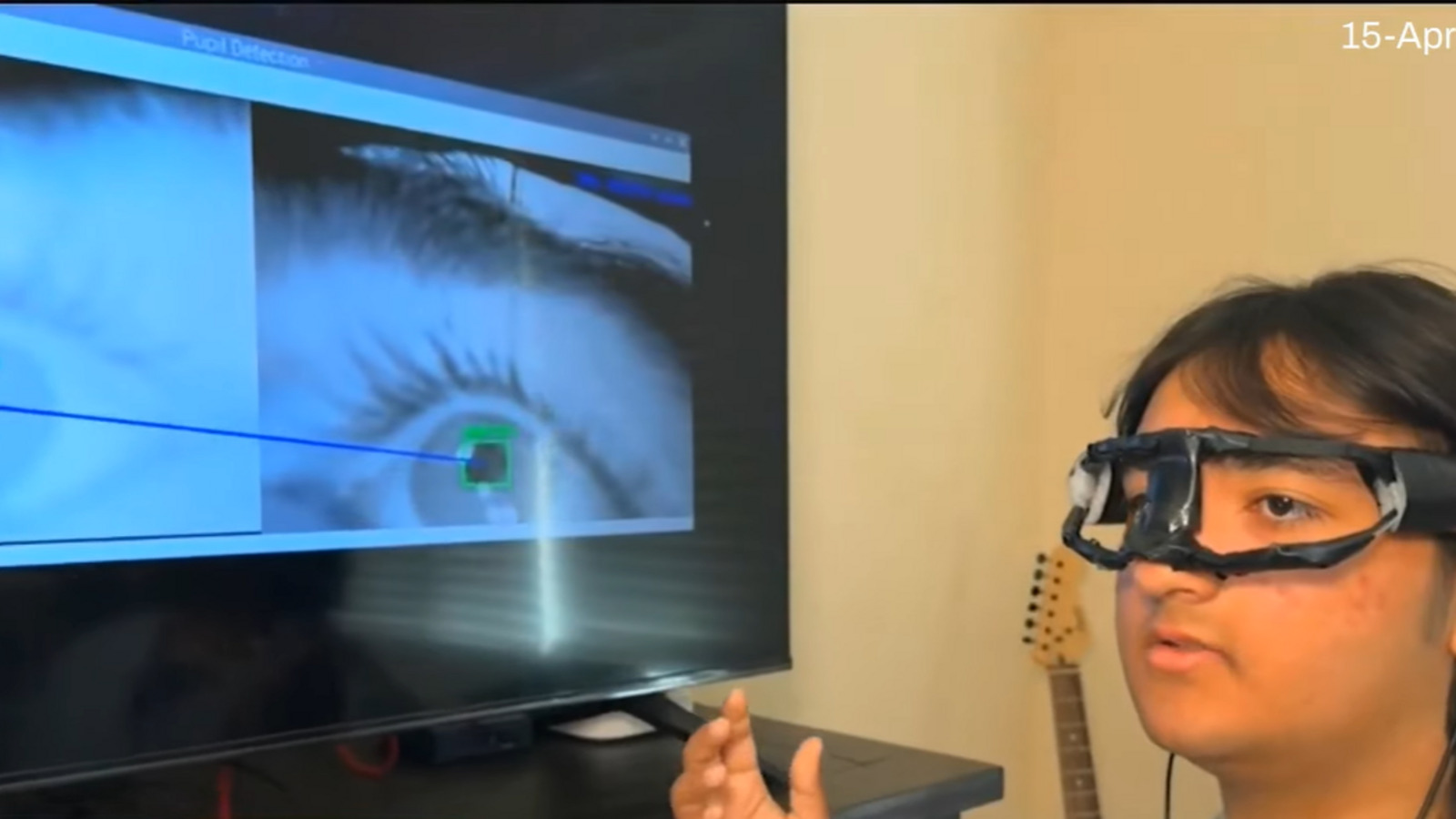
Teen Invents Promising AI Device to Detect Eye Misalignment Using 3D-Printed Visor and Small Cameras for $300

-
Bosch Unveils Series 8 Dishwasher with Zeolith Drying, Voice Control, and Energy-Efficient Features

-
Brazilian Students Develop “Reminder Robot” to Help Seniors with Medication Management Using Arduino Technology

-
Canada Makes Historic Decision to Purchase New German Submarines in $70 Billion Defense Program, Replacing Aging Victoria-Class Fleet by 2033



The Sun itself will one day become a red giant. The white dwarf is a dead star, with a mass similar to that of the Sun but a size comparable to Earth or smaller. This condition makes the white dwarf extremely dense, with very strong gravity.
The intense gravity of the white dwarf allows it to attract hydrogen from the red giant. This gas accumulates on its surface, increasing pressure and heat. When the accumulation reaches a critical level, a thermonuclear explosion occurs.
This stellar explosion releases accumulated material into space. The cycle repeats approximately every 80 years. Thus, it is expected that the nova will happen again soon, maintaining the periodicity.
How To Detect The Explosion
The first recorded occurrence was in the autumn of 1217, when a monk in Germany exploded. According to NASA, the nova will be visible to the naked eye and will not be difficult to detect.
Just draw a straight line between Arcturus and Vega, two of the brightest stars in the northern hemisphere. The constellation Corona Borealis, shaped like a horseshoe, is located west of the constellation Hercules. This information guides the location of the event in the sky.
Rebekah Hounsell, from NASA’s Goddard Space Flight Center, stated that the event will be unique and inspiring. She mentioned that the explosion will allow young people to observe specifics, ask questions, and collect data.
Compared to the nova of 1946, today we have unimaginable instruments for that time. Telescopes like Fermi, James Webb, and NuSTAR will monitor the event. Billions of people will have the chance to witness this cosmic experience.
An Extraordinary Opportunity
The stellar explosion occurred about 3,000 years ago, and its light is now traveling towards Earth. The event will have a short duration, remaining visible for less than a week. It represents an extraordinary opportunity to study the structure and dynamics of recurring stellar explosions.
Even though it is a phenomenon that repeats, it remains frightening and unpredictable. Many eyes drawn to the sky, searching for that ray of light that breaks the monotony of the night. The phenomenon highlights the surprising power of the universe and its ability to reveal unique moments.
The characteristics of T Coronae Borealis, with its thermonuclear explosion and visibility for only a few days, reinforce astronomers’ interest. Many will continue to observe the sky, attentive to each new cycle, with full precision.
With information from Curioctopus.