






 Portuguese
  Spanish


Content creator started posting videos for fun during the pandemic, found an underexplored niche in male self-care, and began selling beauty products on TikTok, with commissions, contracts, and campaigns for well-known brands.
Logan Walter was 15 years old when he started publishing videos on TikTok during the pandemic. Six years later, at 21, he became one of the most talked-about names on TikTok Shop in the United States after surpassing US$ 1 million in revenue with product reviews, advertisements, and business partnerships.
The story gained traction because it didn’t originate from an office, a large agency, or his own store. The business was run from the bedroom where he grew up, with a phone, internet, an intense recording routine, and deals with brands interested in selling within the app itself.
As reported by Exame, in an article published on May 11, 2026, Walter left college after realizing that the digital operation was already yielding more than a future career promise. The turning point came when he understood that he wasn’t just making videos, but participating in a sales machine based on influence, commission, and immediate conversion.
-
Historic 600-Ton Church Relocated 5 km to Avoid Sinking Ground Near Brazilian Mine, Prompting City Reorganization

-
Indian Farmers Use 200-Year-Old Bamboo Tube System for Drip Irrigation Without Electricity or Pumps
-
Racing Motorcycles Rescued from Irish Sea Shipwreck, Joey Dunlop Wins Three Isle of Man TT Races Days Later

-
Before Sending Humans to the Moon, the U.S. Considered Detonating a Nuclear Bomb Near the Moon to Dazzle the World




The case also shows why TikTok Shop has become a target for beauty, fashion, and self-care brands. The consumer watches the video, sees the demonstration, checks the comments, and can buy without leaving the app.
The leap began when acne became a sales topic and not just a personal problem
Logan Walter’s turning point didn’t come from a viral dance or a generic bet on popular products. According to Fortune, he found space by talking about his own experience with acne and skincare, a common theme among young people but still underexplored by men in the TikTok beauty market.
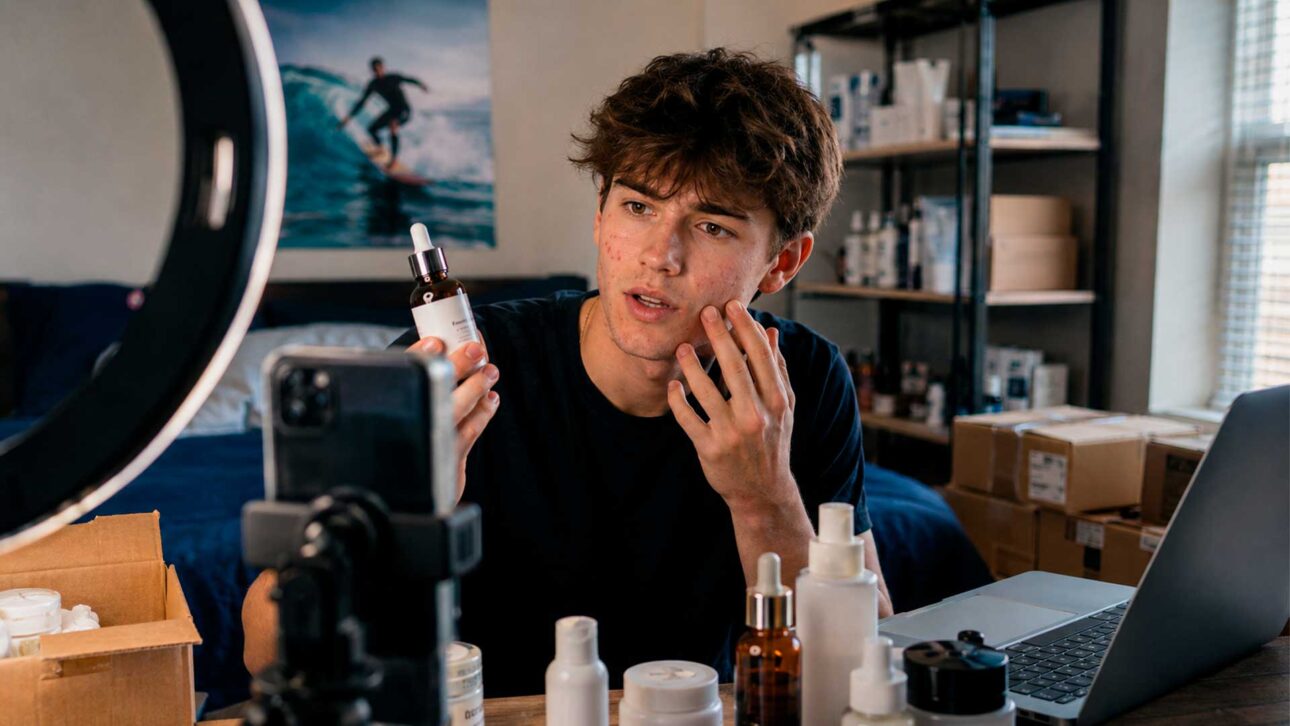
This detail made a difference. Instead of just appearing as someone pushing a product, Walter showed the routine, the tests, the difficulties, and the results he sought. The content had the feel of a personal account, with a soundtrack, quick cuts, direct comments, and a language closer to long YouTube videos, adapted to the TikTok rhythm.
The audience grew because the subject was specific. He spoke to young people who also had questions about skin, appearance, self-esteem, and skincare products. In a sector dominated by female influencers, the male perspective gave him an easier place to recognize.
This positioning helped Walter sell brands like Medicube, Neutrogena, CeraVe, Gap, Under Armour, Steve Madden, and Pacsun. Before turning 22, he had already accumulated partnerships, monthly video packages, and a five-figure income linked to TikTok Shop.
TikTok Shop changed the path between watching a video and buying a product
The model used by Walter depends on a simple feature of TikTok Shop. The creator recommends products in videos or live streams, the user buys within the app, and the affiliate receives a commission when the sale is completed.
According to TikTok Shop itself, the affiliate program connects sellers to creators, allows tracking of sales and metrics, and pays commissions when there is a conversion. For content creators, the showcase is no longer just an audience and starts to function as a sales channel.
In the United States, the tool was officially launched in September 2023, after months of testing. At the time, the Associated Press reported that the system included a shopping tab, videos with affiliate links, and a logistics structure called Fulfilled by TikTok, aimed at storing and shipping products from merchants.
In practice, this reduced steps. Previously, the influencer needed to direct the audience to an external link, a store, a coupon, or a brand page. Now, the path can happen within the feed itself, at the moment when the consumer’s attention is still captured by the video.
The first month yielded $3,000 and the university routine began to feel small
Walter started selling through TikTok Shop in 2024. In the first month, he earned about $3,000. Shortly after, a video promoting a tank top went viral and took the operation to another level, with months exceeding $20,000 while he was still trying to maintain a full-time student routine.
The balance didn’t last long. In February 2024, he left the in-person model and switched to online classes at a local university, trying to make room for videos, campaigns, and brand contacts. Even so, the time equation didn’t add up.
In May 2025, after completing his second year, Walter abandoned virtual studies. The decision didn’t come before the business showed clear signs of traction. He was already closing recurring contracts, monthly production packages, and partnerships that multiplied his commissions.
The childhood room turned into a work base. It wasn’t a traditional warehouse, but it concentrated recording, planning, negotiation, and sales routine. The operation shows a change in digital commerce. The stock may be with the brand, the delivery may go through logistics partners, but the sale is born from the trust the creator builds in front of the camera.
The case of Logan Walter shows a new way of selling online, but it also raises a question for those who follow the digital market. Do you think that TikTok Shop opens a real opportunity for small creators, or does this type of result still depend on luck, timing, and a lot of risk? Leave your opinion in the comments and tell us if you would buy a product recommended by an influencer within the app itself.


