Portuguese
  Spanish


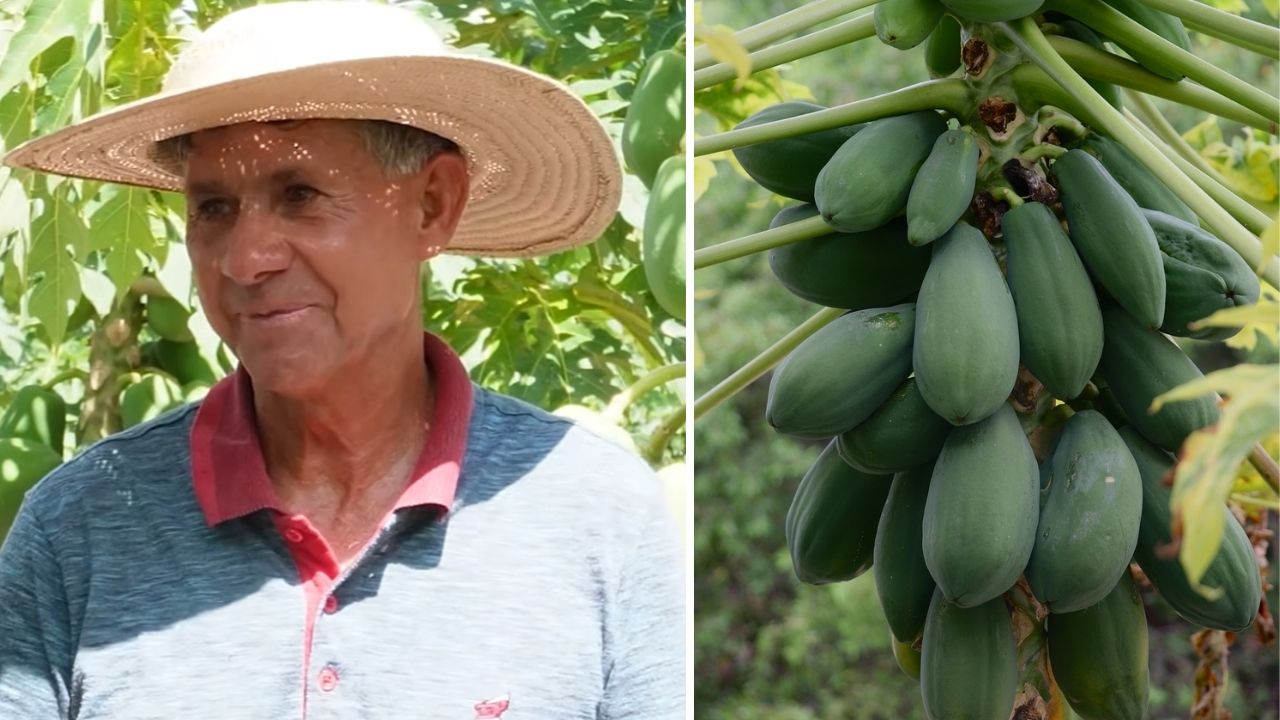

In Nova Brasilândia, José Matacz cultivates papaya on a leased area of 1.5 hectares, with about 1,000 trees and an average production of 3.2 thousand kilos per month in 2024. According to Canal Rural Mato Grosso, the revenue can reach R$ 15,000 monthly with support from Senar in the field.
Papaya became the main crop of Sítio Sonho Meu, in Nova Brasilândia, Mato Grosso, after José Matacz noticed the high price of the fruit in wholesale and decided to test cultivation in a small area. Today, about two-thirds of the leased property are dedicated to papaya trees.
The story was published by Canal Rural Mato Grosso on March 24, 2025, in the program Senar Transforma. According to the report, the producer, aged 67, achieved an average production of 3.2 thousand kilos per month in 2024, with sales in Nova Brasilândia, Campo Verde, and Paranatinga.
Wholesale price opened a market opportunity
The decision to plant papaya came after a purchase in Campo Verde. José Matacz said he paid R$ 23 for a unit in wholesale and, upon seeing the value on the receipt, began to consider the fruit as a production opportunity.
-
Pregnant Woman Gives Birth Minutes After Seeking Help at Roadside Station in Brazil; Family’s Decision and Quick Action by Novo Litoral Team Touch Hearts

-
400-Year-Old Shark Predates Brazilian Empire, Offers Insights into Arctic Marine Life

-
Clarice Hashizume, 56, Sets Historic Guinness World Record by Completing 36 km Open Water Swim in Brazil in Over 12 Hours
-
Brazil, Venezuela, and Paraguay May Restrict Travel for Those Delaying Mandatory Passport Procedure


The central point of the topic is economic and agricultural. The high price acted as a market signal for a crop that could generate income in a small area, provided there was proper management, local sales, and regularity in delivery.
One hectare concentrates the main production
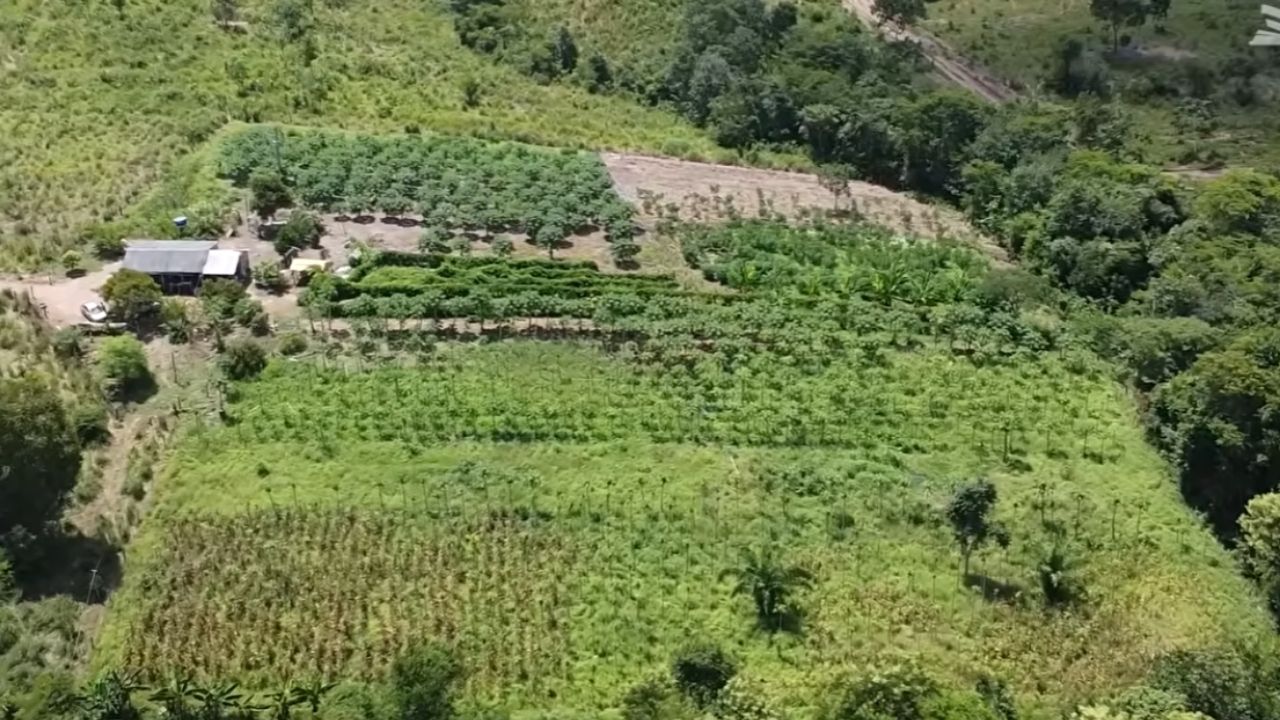
The leased property has a total of 1.5 hectares. According to the report, two-thirds of this area are used for papaya cultivation, which corresponds to approximately 1 hectare dedicated to the fruit.
This data is noteworthy because it shows the compact scale of the project. It is not a large farm, but a concentrated production, focusing on fruits and vegetables, regional sales, and intensive use of the available area.
Production reached 3.2 thousand kilos per month
In 2024, Sítio Sonho Meu produced, on average, about 3.2 thousand kilos of papaya per month. The selling price mentioned in the report was around R$ 4 per kilo.
With this performance, the revenue can reach up to R$ 15 thousand monthly, as reported by Canal Rural Mato Grosso. The result depends on productivity, price, fruit quality, local demand, and continuous sales capacity.
Sales started with a test in the local market
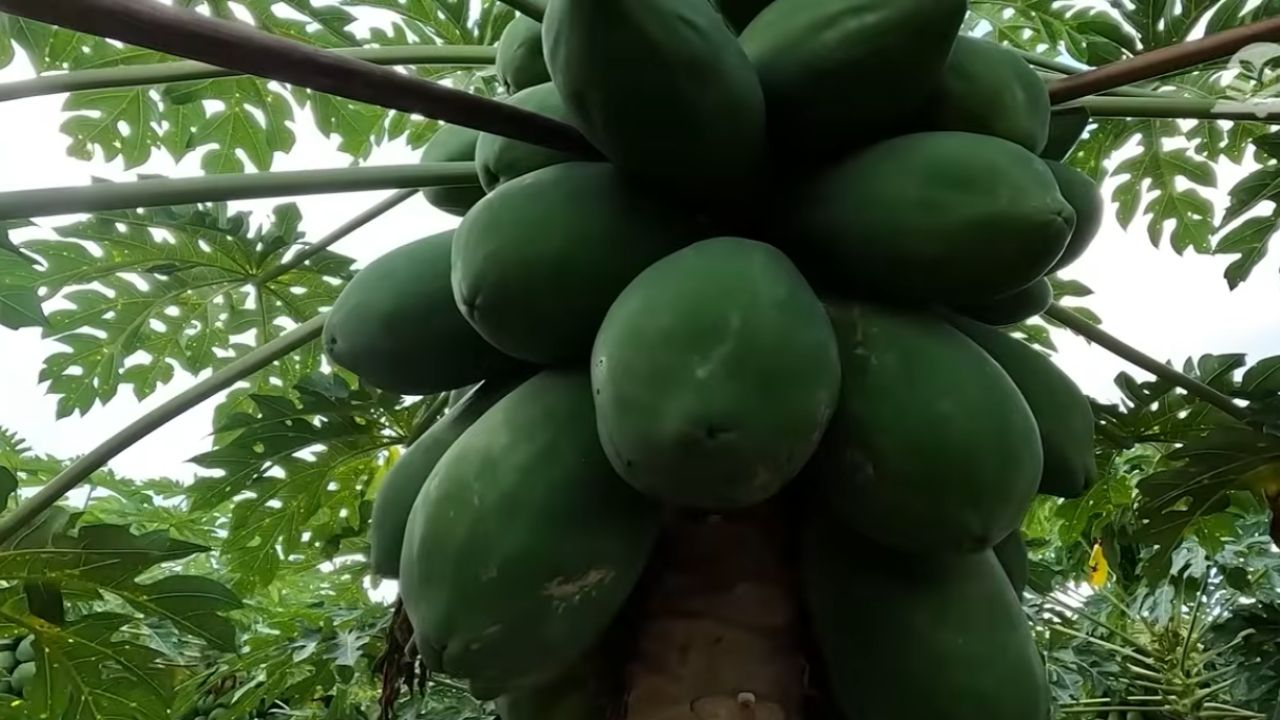
Before expanding the channels, the producer needed to validate the product’s acceptance. The report states that he left papayas in a local market and agreed to return to collect what was not sold.
When he returned, the fruit had already been sold. From this first test, the papaya began to gain space in regional sales points, reducing the initial uncertainty about demand.
Fruit now circulates through three municipalities
Currently, the production is sold in Nova Brasilândia, Campo Verde, and Paranatinga. Additionally, the site receives buyers who go directly to the property to purchase the fruit.
This model combines local sales, regional supply, and direct contact with consumers. For a small production, proximity to the market is decisive because it reduces logistical distance and facilitates the exit of the harvested product.
Number of trees shows expansion phase
The area has approximately 300 new trees in production and about 700 older plants. This composition indicates a plantation in different stages, with gradual renewal of the orchard.
In papaya cultivation, maintaining productive plants and replacing trees over time is an important part of agricultural management. Monthly productivity depends on the age of the plants, nutrition, pest control, and soil conditions.
Senar’s technical support became routine
The producer began receiving support from the Technical and Managerial Assistance, ATeG Fruticulture, from Senar Mato Grosso. Field technician Dhiego Pereira Krause visits the property once a month to monitor the plantation, address questions, and guide improvements.
According to the report, technical support helped especially with topics like inputs, plant nutrition, and pest control. Technical assistance transforms field practice into more planned management, with diagnosis and goals for the property.
Plant nutrition became a point of attention


Among the improvements mentioned by the technician is the nutritional issue of papaya trees. A well-nourished plant tends to respond better to fruit development and may also be more capable of facing health problems.
This point reinforces that cultivation does not depend solely on planting and harvesting. Papaya requires soil correction, fertilization, monitoring, proper spacing, and management to maintain productivity with commercial quality.
Planting requires correct preparation of the pit
For those who wish to plant papaya, the ATeG Fruticulture technician advises attention to spacing, pit depth, use of aged manure, and soil correction.
These factors influence the initial development of seedlings and the formation of the crop. When the planting base is poorly done, the problem appears later in weak plants, lower productivity, and greater management difficulty.
Three seedlings per pit help with sexing
A technical recommendation highlighted in the report is to plant three seedlings in each pit. The strategy allows for sexing the plants when the first flowers appear.
After identification, the male flower can be removed, prioritizing plants with higher productive potential. The technician explains that the type of flower influences the shape and formation of the fruit, which directly affects the commercial standard of papaya.
Papaya shows the strength of fruit growing in a small area
The case of Nova Brasilândia shows how papaya can generate significant revenue in a small area when there is a choice of crop, regional sales, and technical support. The production of 3,200 kilos monthly in 2024 indicates that intensive management can make a difference in horticulture.
The topic also reinforces the importance of technical assistance for producers seeking to improve results.
Do you think small areas with fruit cultivation can be a stronger source of income in rural areas? Leave your opinion in the comments and tell us if papaya would have a place in your region’s market.