






 Portuguese
  Spanish


Intense Heat Wave Triggers Alarm on Energy Consumption in Homes and Businesses, Indicates CCEE.
In a landscape of rising temperatures, the first two weeks of September saw an increase of 4.2% in electricity consumption compared to the same period last year. This growth, which reached 41,442 megawatts average, was a direct response to the demand from distributors responsible for supplying homes and small businesses, according to the numbers revealed by the Electric Energy Trading Chamber (CCEE).
Cooling Equipment are the Protagonists
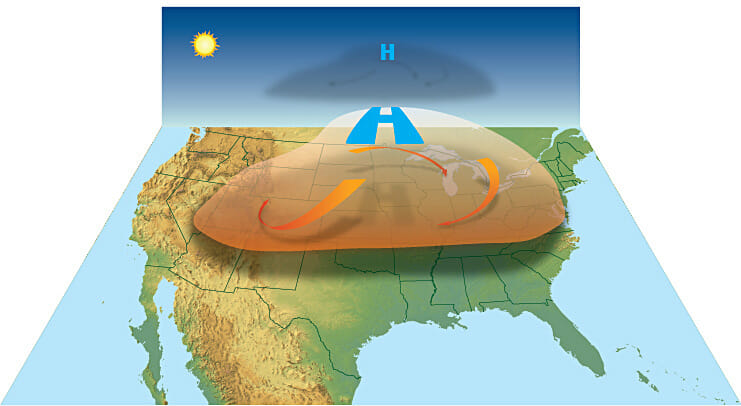
The second most significant advance of the year in the energy sector was caused by a remarkable heat wave affecting Brazil. This climate fever, in turn, increased the operation of cooling devices such as air conditioners and fans. Among the states, Acre led the ranking of increases, showing a rate of 19.7%, closely followed by Rio de Janeiro with 16.8% and Amazonas with a growth of 14.6%.
-
Major Brazilian Supermarkets, Including Carrefour and Assaí, May Close Earlier to Prevent Price Increases

-
Coca-Cola Shuts Down 100-Year-Old Factory in the U.S., Impacting 85 Workers and Shaking Local Community with Historic Consequences
-
Bianca Andrade Invests $30 Million of Her Own Money in Boca Rosa, Launches Over 100 Products in a Year, Aiming for $400 Million by 2026
-
Belo Horizonte Becomes First Brazilian City to Fund Housing, Utilities for 100 Homeless Families with $900,000 Initiative


Solar Farms on the Rise
The rise in temperatures not only boosted consumption but also proved beneficial for the production of solar farms. These units recorded an energy contribution of 2,657 MW average to the grid, translating to a percentage increase of 42.5% compared to the previous year. Minas Gerais stood out as the main producer, with 1,108 MW average, followed by Bahia (522 MW average) and Piauí (277 MW average).
CCEE in the Spotlight
Established in 1999, the CCEE operates as a non-profit civil association, playing a crucial role in facilitating the buying and selling of electricity in Brazil. With a commitment to ensuring the appropriate distribution of this essential resource to the population and productive sectors, it brings together various entities, including generators, distributors, marketers, and consumers. Under its aegis, which encompasses both the free contracting environment and the regulated one, more than R$ 150 billion is transacted annually, solidifying its role as a prominent entity in promoting effective, contemporary, and sustainable markets for the benefit of society.
Source: Fábio Souza – fsb.







Be the first to react!