Portuguese
  Spanish


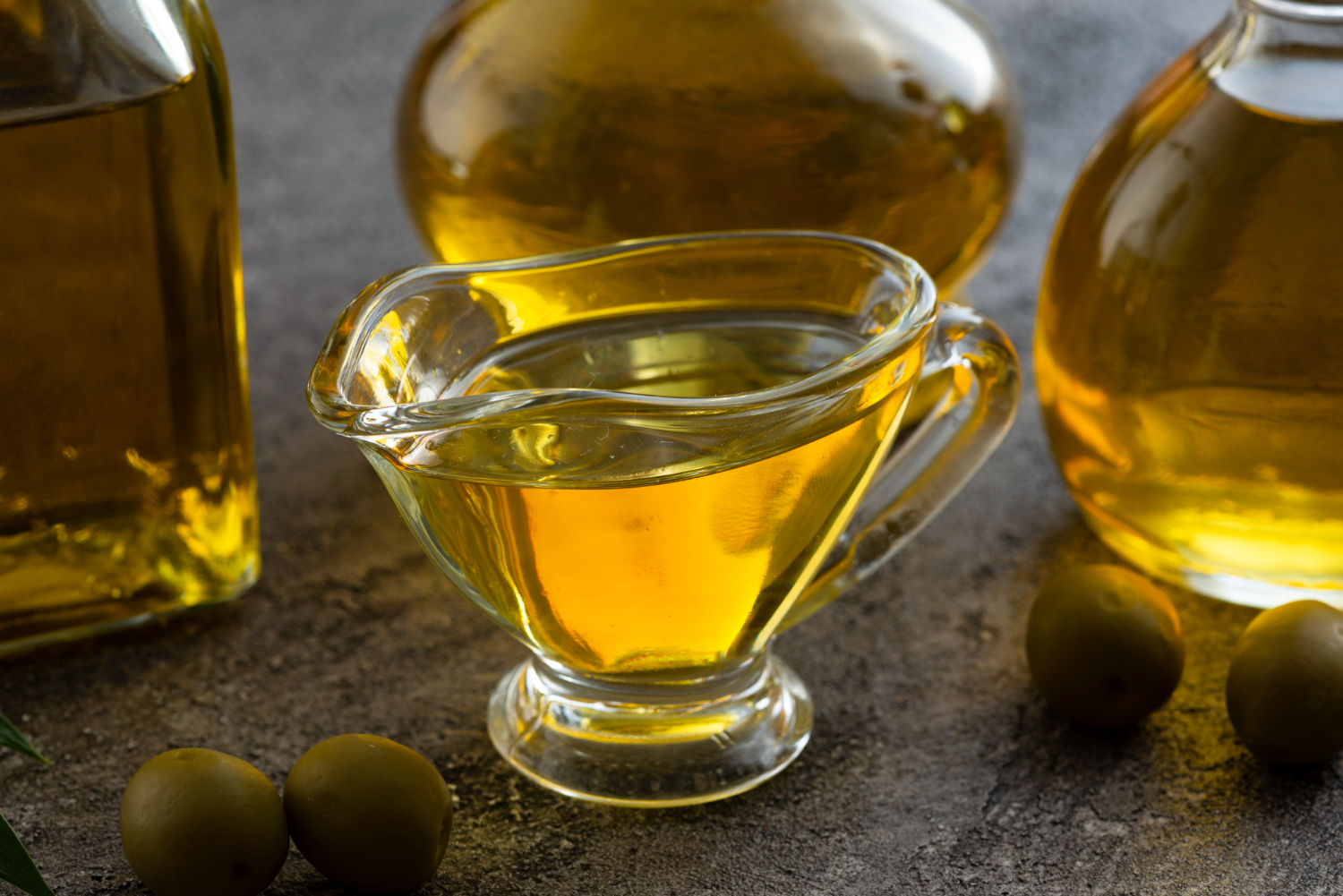

The Ministry of Agriculture Warns About Fake Oils in the Market, With Label Frauds and Health Risks. Know How to Identify Safe Products and Report Irregularities
The recent inspection by the Ministry of Agriculture and Livestock (Mapa) has brought to light a serious problem in the Brazilian market: fake oils sold as pure, high-quality products, according to a news article published.
The operation revealed that some of the oils marketed in the country do not meet legal requirements and contain mixtures with vegetable oils from other species, which constitutes fraud.
The analyses were carried out by the Federal Laboratories of Agricultural Defense (LFDA), which confirmed irregularities in several samples.
-
At 35, Lawyer Leaves Corporate Career to Turn 1-Hectare Farm into Organic Supplier for Schools in Southern Brazil

-
Solar-powered agricultural robots operate 24/7, remove weeds with 8mm precision, and aim to cut herbicide use without fuel consumption in the fields.

-
Brazilian Farmer Invents Low-Cost Tractor Using Motorcycle Parts, Efficiently Working 2 Acres on 1 Liter of Diesel

-
Regenerative Farmers Use Keyline Plow to Improve Pasture Hydration, Storing 1 Gallon of Water Every 30 Centimeters




Mapa has ordered the immediate recall of batches deemed unfit for consumption, reinforcing that the sale of these products is a serious offense subject to severe penalties.

Fraud in Oils and Mixture With Other Oils Harm Health and Deceive Consumers
The investigations by Mapa indicated that some brands used oils such as soybean and canola as a substitute for extra virgin olive oil, reducing costs and deceiving the end consumer.
The practice of adding other oils without labeling them represents not only a violation of legislation but also a risk to public health.
People with food allergies or specific restrictions may suffer adverse reactions when consuming adulterated products.
In addition, fraud affects the credibility of the sector and harms producers who follow the rules.
Mapa emphasizes that the fake oils identified must be immediately removed from the shelves, and establishments that continue selling them are subject to fines and administrative sanctions.
How to Identify Adulterated Olive Oils and Avoid Risky Purchases
Consumers can protect themselves by adopting simple measures before making a purchase. It is essential to observe the label and check information such as country of origin, packing date, and manufacturer’s registration number.
The price may also serve as a warning: very cheap products compared to the market average often indicate adulteration.
Mapa recommends purchasing oils only from trusted locations and avoiding unknown brands or those without clear provenance.
If consumers suspect authenticity, they can report to the official Fala.BR channel, available nationwide.
The ministry emphasizes that consuming fake oils can pose serious health risks, as the irregular composition alters nutritional properties and may contain residues of unauthorized substances.
Fiscalization Actions by Mapa Ensure Food Safety and Combat Frauds
The inspections of the Department of Inspection of Plant Origin Products are part of a permanent program of the Secretary of Agricultural Defense, focused on food safety and transparency in the sector.
The aim is to ensure that all oils available in the market meet identity and quality standards defined by law.
According to Mapa, the most recent operation analyzed dozens of samples from different states, resulting in the disqualification of products that did not meet compliance.
The agency emphasizes that consumers should pay attention to the guidelines and immediately stop using suspicious items.
Replacement may be requested as provided by the Consumer Defense Code.
Thus, the joint action between inspection and public awareness is essential to avoid the consumption of fake oils and ensure the trust of Brazilian consumers.