Portuguese
  Spanish


The Voa Brasil Program, Aimed at INSS Retirees, Sold Only 1.5% of Offered Tickets. Find Out the Most Sought-After Destinations!
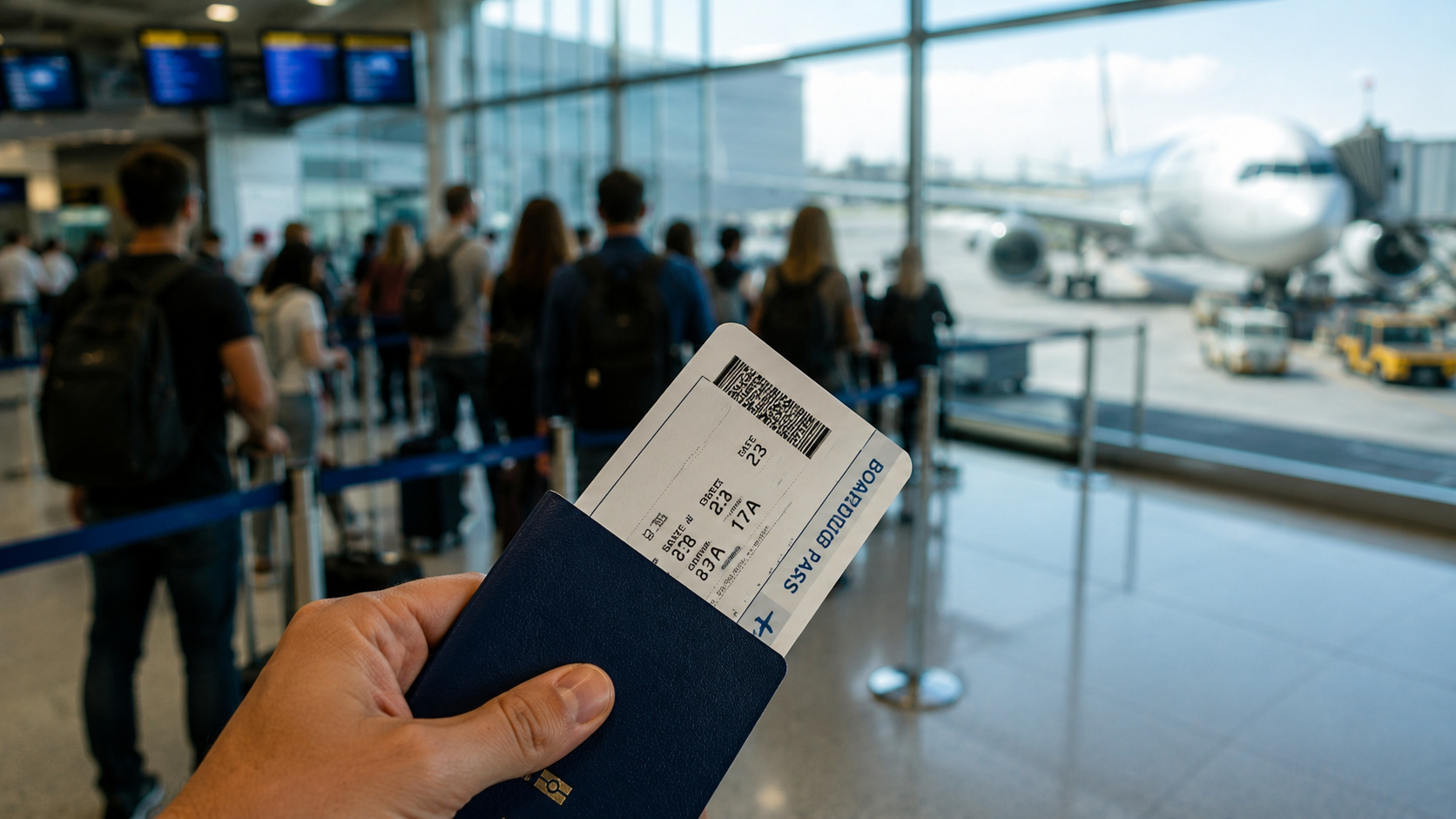
What was intended to be an inclusion initiative in air transport ended up showing results well below expectations. Launched in July 2024, the Voa Brasil program, aimed at INSS retirees who have not traveled by plane in the last 12 months, sold only 45 thousand tickets — equivalent to 1.5% of the three million tickets initially available.
The data was compiled until July 24, 2025, by the Ministry of Ports and Airports, responsible for the action, and indicates a participation far below the offered capacity.
With airfare of up to R$ 200, the goal was to encourage the low-income population to board domestic flights, taking advantage of empty seats. However, the numbers raise an alert regarding the real obstacles faced to popularize aviation in Brazil.
-
Brazil Welcomes Spanish Wamos Air and Nigerian Air Peace, Potentially Transforming International Routes and Increasing Competition

-
Offshore air transport soars in Brazil, surpasses 2.5 million passengers, and reveals how oil has transformed Rio’s airports into key pieces of national logistics.

-
Latin America becomes the “global champion” of aviation taxes, tickets may become more expensive in Brazil, and IATA’s warning exposes risk for flights, tourism, and passengers.
-
Brazil has lost 85 air routes since 2019 and is still flying less than before the pandemic, leaving passengers with fewer destinations, fewer frequencies, and a more limited air network.


What Is the Voa Brasil Program?
The Voa Brasil program was announced in March 2023 by then Minister of Ports and Airports, Márcio França, with the promise of expanding access to civil aviation for layers of the population historically excluded from this means of transport.
However, the initiative only came to fruition in July 2024, already under the leadership of Deputy Silvio Costa Filho, who took over the ministry in September 2023.
Although it does not represent direct costs to the public budget, the program relies on collaboration with airlines to provide tickets at accessible prices — prioritizing the occupancy of vacant seats on low-demand flights.
Who Can Participate?
The proposal is simple: INSS retirees who have not traveled by plane in the past year can purchase tickets for up to R$ 200. The program does not impose income restrictions and, according to the government, aims to stimulate regional aviation without overburdening public finances.
Even with these conditions, participation fell short of expectations. Experts point to possible causes such as lack of digital access by the target audience, low publicity, and logistical barriers in reaching airports.
Main Sought-After Destinations
Among the participants of the Voa Brasil, the most sought-after destinations were São Paulo (12,771 tickets issued), Rio de Janeiro (3,673), and Recife (3,509). The most active routes primarily involve capitals in the Southeast and Northeast, which accounted for 83% of the reservations.
In addition to these, other sought-after cities were Fortaleza, Salvador, João Pessoa, Maceió, Belo Horizonte, and Natal. More than 500 different routes were recorded among the issued tickets.
Among the most used routes are flights such as São Paulo–Recife, São Paulo–Salvador, and Rio de Janeiro–João Pessoa, in addition to the traditional air bridge Rio–São Paulo and short-distance routes like Salvador–Porto Seguro.
Why Was Participation So Low?
Despite the attractive proposal, several factors may have influenced the low number of participants. One of them is the need for internet access and apps to make purchases, which can be a barrier for part of the elderly population.
Additionally, many retirees live in areas far from major urban centers, making it difficult to access airports. Another point is the lack of educational and promotional campaigns that guide interested individuals on how to participate in the program.
The Future of Voa Brasil Is Still Uncertain
With only 1.5% of air tickets sold in its first year, Voa Brasil faces a dilemma: how to make the initiative more efficient and accessible to the target audience?
The Ministry of Ports and Airports has not yet announced structural changes to the program, but experts argue that, to achieve more expressive results, it will be necessary to invest in digital inclusion, expand physical sales points, and rethink communication strategies with INSS beneficiaries.