






 Portuguese
  Spanish


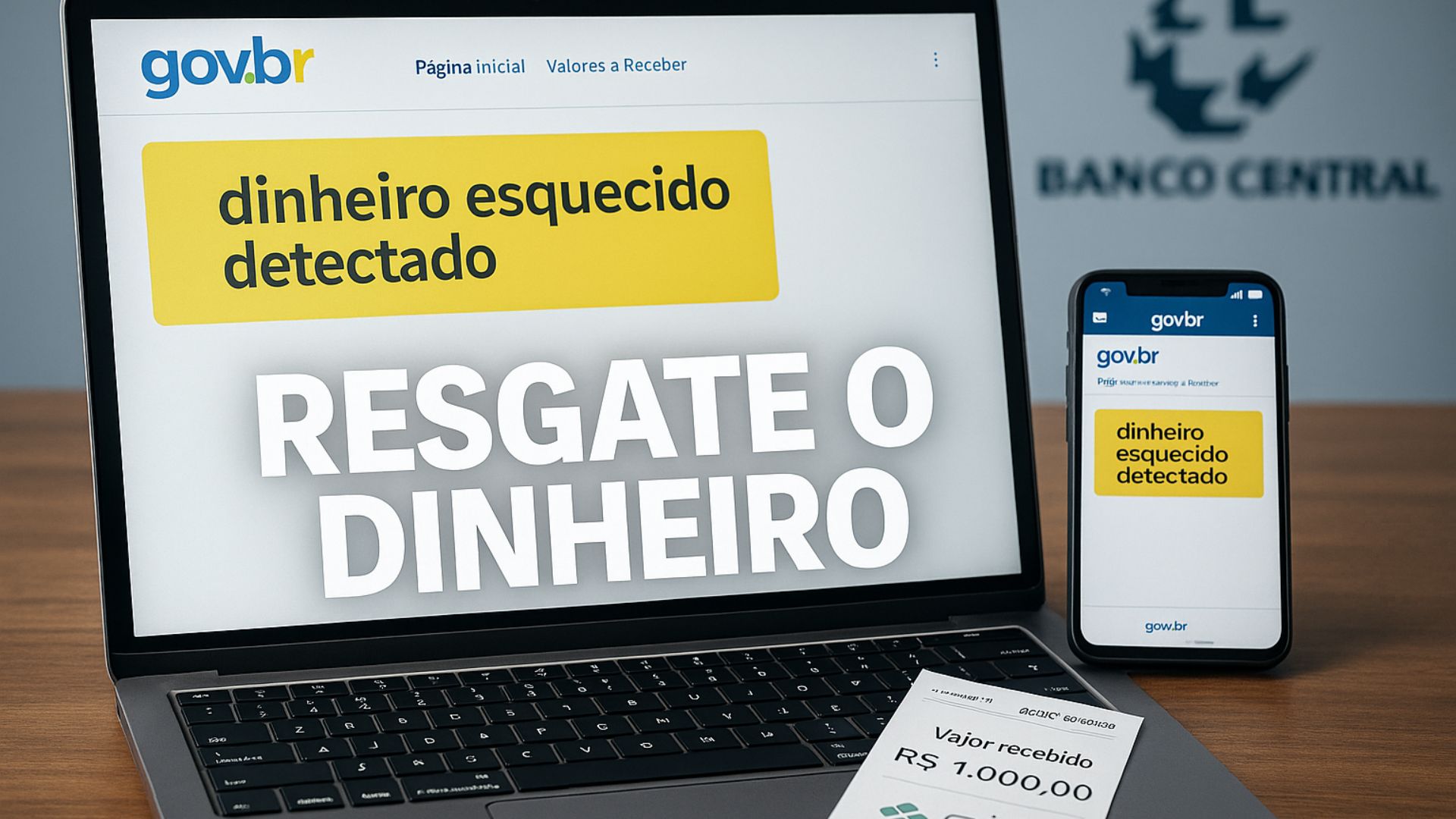


Forgotten Values Total Billions and Can Be Reclaimed at No Cost, with Automatic Refund Option via Pix for Those Who Enable the Service in the Central Bank System.
Nearly 49 million Brazilians still have money sitting in banks and other financial institutions, according to the latest data from the Central Bank.
The survey shows that individuals and legal entities together hold about R$ 9.926 billion in “forgotten” values, which can be consulted for free in the System for Receiving Values (SVR) and, in some cases, automatically retrieved via Pix.
48.7 million individuals account for approximately R$ 7.73 billion in amounts to be received, while 4.9 million companies hold around R$ 2.2 billion yet to be reclaimed.
-
Brazilian Startup Turns Coffee Grounds into Plant-Based Leather, Cutting Water Use by Over 50 Times for High-Impact Sustainable Fashion

-
Eco Invest Auction Aims to Unlock $10 Billion in Investments, Focusing on Green Fertilizers, Critical Minerals, Batteries, and AI for Clean Industry in Brazil

-
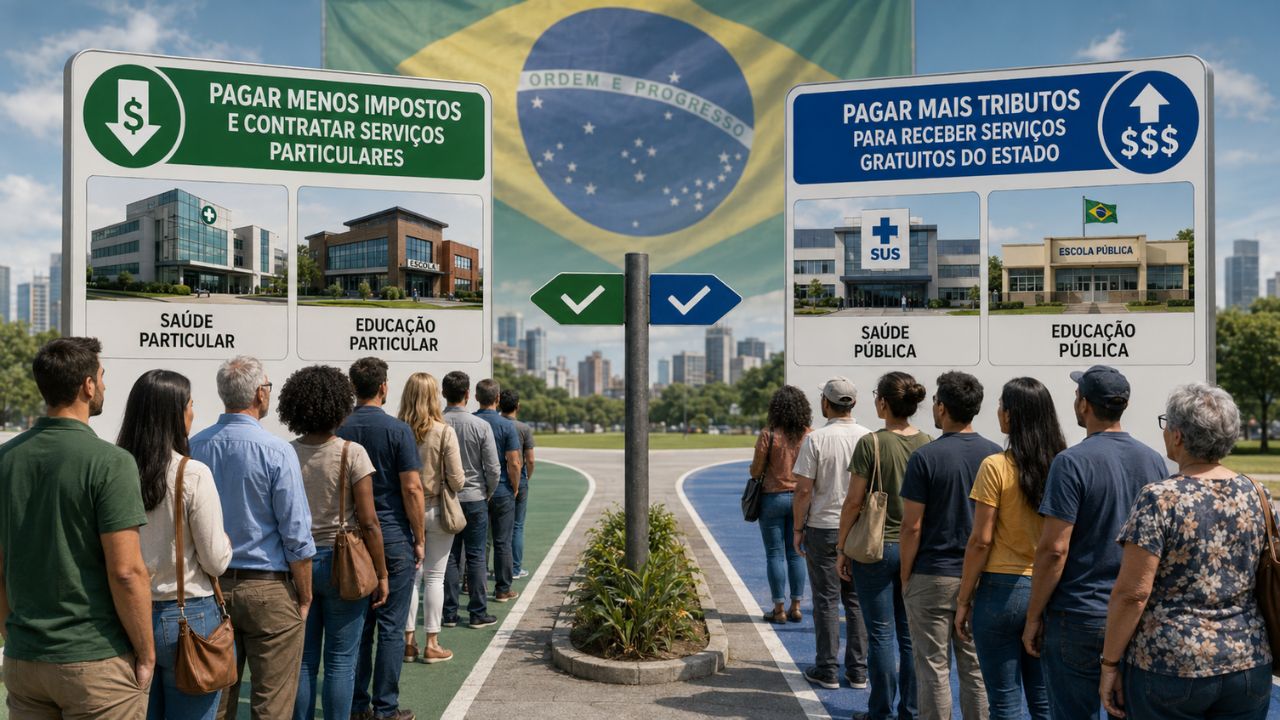
Half of Brazilians Prefer Lower Taxes with Private Health and Education, While 44% Opt for Higher Taxes for State-Provided Services, Datafolha Survey Reveals

-
Brazil’s Most Expensive Toll Rises to R$ 40.60 on Route from São Paulo to the Coast, Nearly Matching Bus Fare to Santos



These figures consider balances accounted until October and include resources from old accounts, improperly charged fees, consortiums, and other financial services that were neglected over time.
In addition to the amount still available, the Central Bank reports that R$ 12.6 billion has already been refunded since the creation of the system.
Of this total, about R$ 9.3 billion has been paid to individuals, while R$ 3.3 billion has reached companies.
Distribution of Forgotten Values in the System
Although the total volume is in the billions, most Brazilians are entitled to low amounts.
About 65% of the amounts to be received are in the range between R$ 0.01 and R$ 10 for individuals and legal entities.
Entries between R$ 10.01 and R$ 100 represent approximately 23.4% of the total.
In the range between R$ 100.01 and R$ 1,000, there are 9.8% of beneficiaries.
Only 1.85% have amounts above R$ 1,000.
Another breakdown released by the Central Bank indicates that banks hold approximately R$ 6 billion of the values yet to be refunded.
The remainder is distributed among consortium administrators, credit cooperatives, payment institutions, finance companies, brokers, and other entities authorized by the regulatory body.
System for Receiving Values: How It Works
The System for Receiving Values, managed by the Central Bank, gathers different types of resources that have not been sought by customers over the years.
This category includes residual balances from closed accounts, fees eligible for refund, unreclaimed consortium shares, and other pending amounts.
The consultation is free and entirely digital.
To check for the existence of values, the user must have a gov.br account with silver or gold level and keep two-factor authentication active.
After logging in to gov.br, the consumer accesses the SVR, enters their CPF and date of birth, and checks if there is any available balance.
When there are linked values, the system indicates the responsible institutions and guides the steps for claiming, usually done via Pix.
Automatic Pix for Individuals
The Central Bank also offers the option of automatic request for forgotten values, exclusive to individuals.
This feature is optional.
To enable it, the citizen needs to have a silver or gold level gov.br account, activate two-factor authentication, and have a Pix key linked to their CPF.
After meeting these requirements, the user confirms in the SVR that they wish to enable automatic receipt.
From that point on, values identified in the future are sent directly to the account associated with the Pix key linked to the CPF, without the need to request a new claim.
The Central Bank does not send notifications when the deposit is made.
The credit appears directly in the account of the account holder, recorded by the institution responsible for the value.
Companies Still Lack Access to Automatic Refund
While individuals can already enable automatic refund, companies remain restricted to the traditional model.
The CNPJ can be normally consulted in the SVR, but the claim requires the representative to access the system and follow the procedure indicated by each financial institution.
The limitation occurs because the automatic feature relies on CPF type Pix keys.
Companies, joint accounts, and financial institutions that have not adopted refunds via Pix remain outside the tool.
Security Guidelines and Risk of Scams
With the increased use of the system, the Central Bank reinforces that the consultation should only be made through official channels, directly on gov.br or the BC website.
The agency warns that it does not send links via email, messages, or apps to facilitate the claim process.
This practice aims to prevent fraud that exploits the search for forgotten values.
In case of doubt, it is recommended to check if the digital address belongs to the federal government or the Central Bank before entering personal information.
This verification protects sensitive data such as CPF, Pix keys, and passwords.
Given the billion-dollar volume and the significant number of people with pending values, have you checked if your CPF has any forgotten money in the system?









Dinheiro