Portuguese
  Spanish



BRF and Banco do Brasil (BB) Closed a New Partnership for Future Investments in the Solar Energy Market
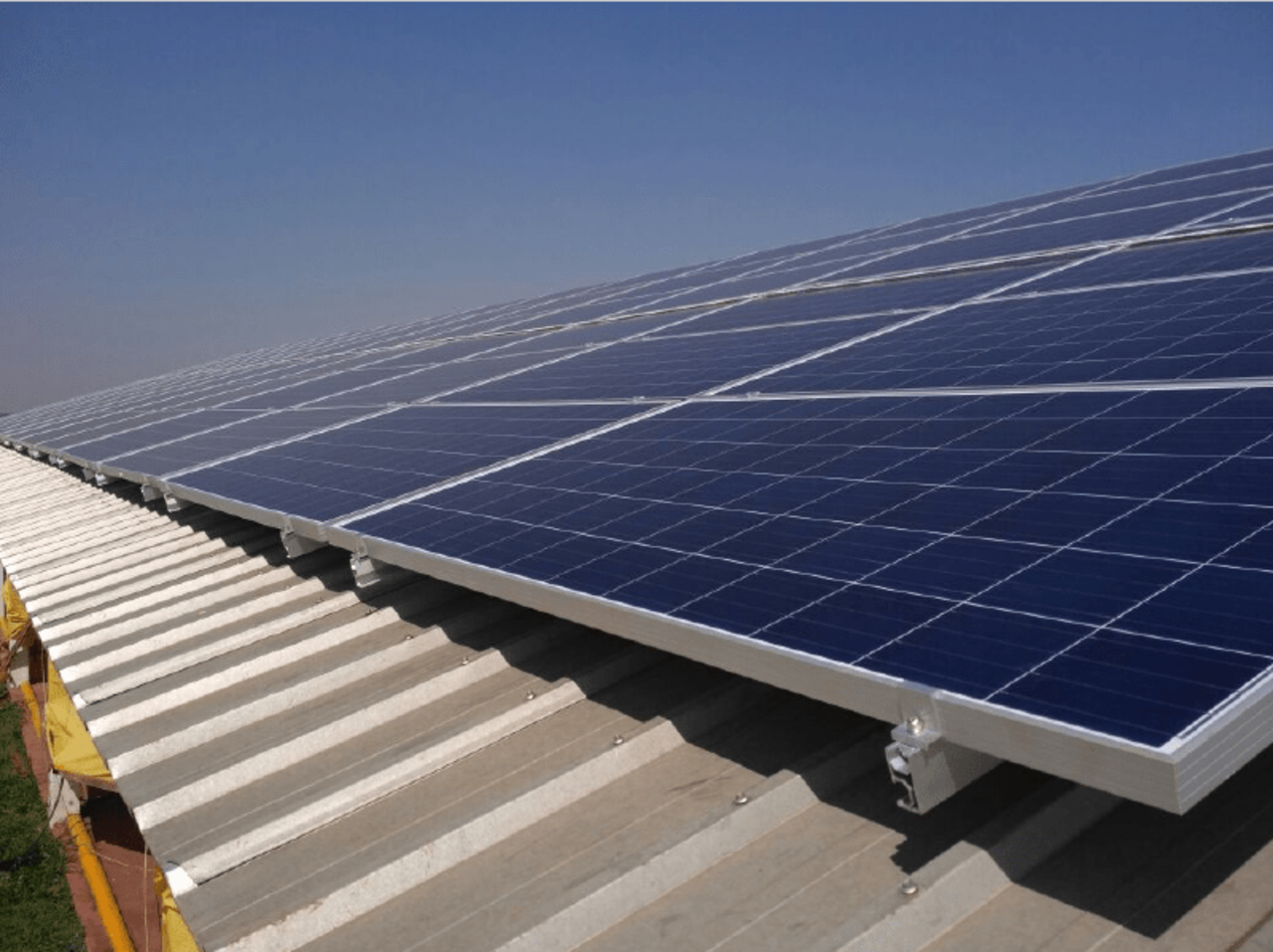
One of the largest multinational companies in the food sector, BRF, signed contracts with Banco do Brasil to encourage the farms that are partners of BRF to use solar energy. The coalition between BRF and Banco do Brasil will offer about R$ 200 million for the financing of solar panel installations and to implement energy improvements in BRF’s partner farms.
Read Also
In a statement on Thursday (11), BRF confirmed that the partnership with Banco do Brasil is an initiative that fits into its long-term strategy, which aims to address “sustainability transversally and permeating its entire business.” Among BRF’s objectives is to increase electricity generation from solar energy by about 50%, lasting for at least ten years.
Banco do Brasil Opened Its First Solar Power Plant
Banco do Brasil inaugurated its first solar power plant last year, in the distributed generation modality. The solar power plant was built by EDPP, a company that operates in all segments of the electric sector; the plant is located in Minas Gerais, in the municipality of Porteirinha. With an installed capacity of 5 megawatts, the plant supplies energy to several Banco do Brasil branches in the state of Minas. The solar power plant consists of more than 18,000 solar panels, with a generation capacity of 14 GWh per year. The project aims to reduce energy costs for Banco do Brasil branches in the state by more than 50%, while also reducing carbon dioxide emissions from the atmosphere, equivalent to the planting of about seven thousand trees.
-
Giant Batteries Take Center Stage in Chile Auction as Company Offers 960 GWh of Solar Energy for Nighttime Use, Aiming to Stabilize Solar Power Supply

-
After a Year of Success in Switzerland, Solar Railway Attracts Italy’s Interest for Clean Energy Transformation
-
Robots Clean Solar Panels in Desert Power Plants Without Water, Preventing Energy Losses
-
Brazil’s Offshore Wind Energy Potential Worth $1 Trillion Stalled by Long-Delayed Agreement