






 Portuguese
  Spanish
  3 min of reading
  0 comments


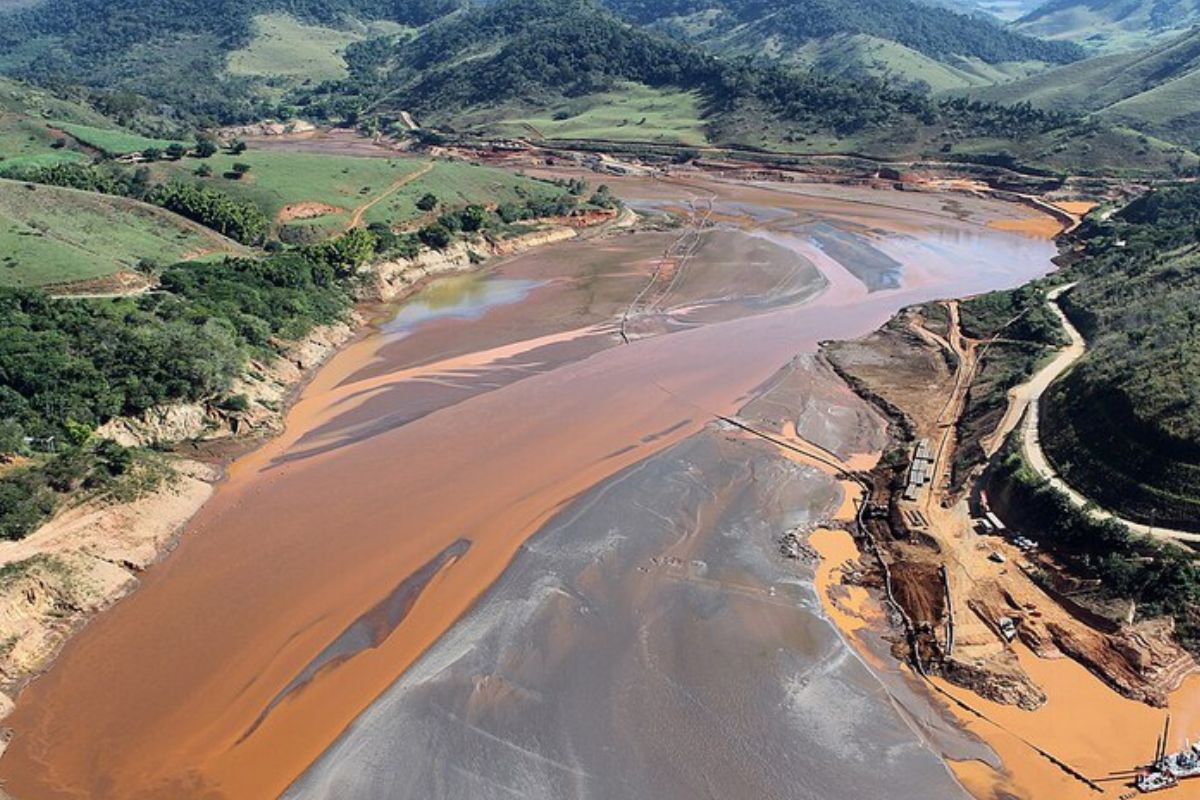
Ten Years After the Tragedy in Mariana, Brazil Modernizes Mining Dam Management, Increasing Supervision, Use of Technology and Decharacterization of Risk Structures to Ensure Greater Safety
Ten years after the collapse of the Fundão dam in Mariana (MG), the safety of mining dams has undergone a true transformation, according to a report published.
The 2015 tragedy spurred profound legal, structural and technological changes at the National Mining Agency (ANM), which now operates in a preventive and integrated manner.
The creation of stricter protocols, the intensive use of digital tools, and the expansion of the technical workforce were decisive measures to make the sector safer.
-
China could reduce iron ore imports from 80% to 50% of consumption by 2030, while its share in global steel production falls from 52% to 46%, in a shift that could reshape the global market, says CMRG.

-
Brazil is sitting on one of the largest lithium reserves in the world, in the Jequitinhonha Valley, but national mining has almost become an appendage of China: 97% of the metal’s export goes to a single country, which also dominates refining.
-
Iron ore falls to 762 yuan in China as real estate sales decline and steel production hits lowest level since 2018
-
Brazil has minerals, clean energy, and a waiting market, but it could miss a billion-dollar opportunity if it doesn’t speed up the race for green minerals, while the steel industry seeks to reduce emissions.


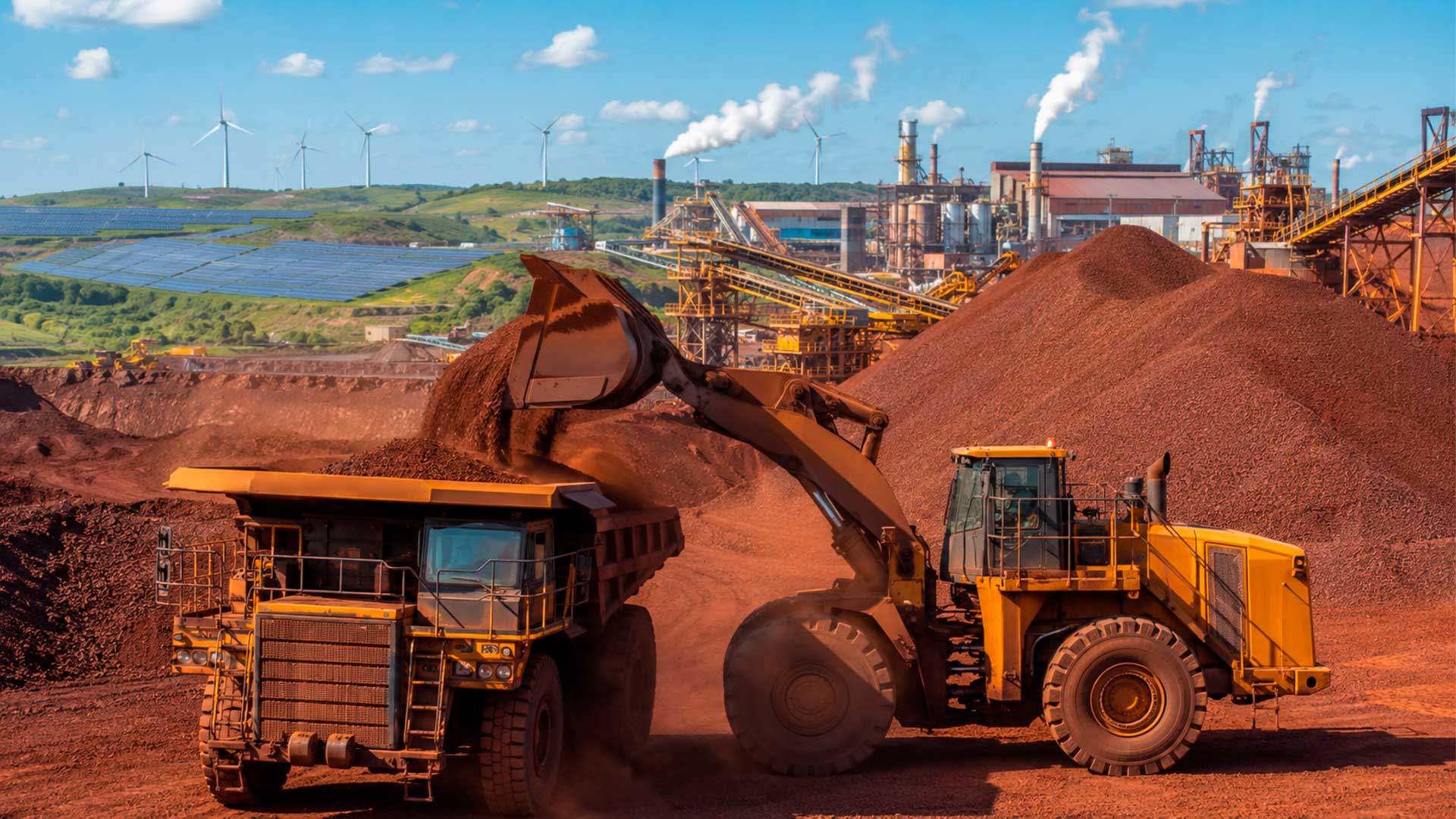
Since then, Brazil has not registered any major disasters, the result of public policies and a new culture of prevention that involves both the public authority and companies in the mineral sector.
Improved Supervision and Consolidated Safety Culture
The supervision of dams has gained robustness with Law No. 14.066/2020, which amended the National Dam Safety Policy.
This regulation prohibited the construction of new upstream structures, the model used in Mariana and Brumadinho, and mandated the decharacterization of existing ones.
Between 2019 and 2025, the number of these dams decreased from 74 to 46, according to official ANM data.
Additionally, Resolution No. 220/2025 reinforced the definition of emergency levels and action plans in case of risk.
Now, there are clear protocols for evacuation and escape routes, with constant technical validations.
According to the superintendent of Dam and Mining Heap Safety, Luiz Paniago Neves, supervision has become more preventive, seeking to detect anomalies before they evolve into accidents.
This new paradigm has significantly reduced the chances of structural collapse and raised the technical standard for safety management.
Mining Dams and the Importance of Remote and On-Site Monitoring
ANM strengthened its performance with the creation of specialized teams. Over 40 employees were incorporated exclusively for safety supervision, all with specific technical training. The operations occur both remotely and in the field.
Remote monitoring is conducted by the Integrated Management System for Mining Dams (SIGBM), internationally recognized as one of the ten most efficient databases in the world among 36 mining countries.
The system allows real-time tracking of the structural conditions of mining dams, integrating georeferenced data and inspection histories.
In on-site inspections, teams prioritize structures classified with higher risk potential.
Between 2022 and 2025, over a thousand inspections were carried out nationwide, ensuring that stability and compliance standards are respected.
This mixed model of remote and on-site control has proven essential for reducing failures and maintaining a safer mining environment.
Public Transparency and Technological Advancements in Dam Safety
Transparency has also become a fundamental pillar of the new safety policy.
Any citizen can consult the National Mining Dam Registration on the ANM portal and access updated information about risk classification, location, and safety history.
The georeferenced panels and dashboards of SIGBM provide a broad and accessible view of the situation of each structure.
The use of advanced technologies, such as thermal drones and field inspection apps, allows for the identification of temperature changes and possible leaks, providing instant data to inspectors.
These tools enhance operational capacity and make responses to potential incidents much faster and more accurate.
According to ANM itself, investments in technology and personnel training continue to be priorities, focusing on system modernization and strengthening public governance.
In the last six years, the country has exceeded the global safety average of the International Committee on Large Dams (ICOLD), which records a significant incident every two years worldwide.
Brazil has not had any major events since 2019, a milestone that reflects institutional maturity and the direct impact of prevention policies.
The consolidation of this new culture, supported by transparency, technology, and continuous monitoring, places Brazilian mining dams at a significantly higher safety level than what was observed a decade ago.







Be the first to react!