






 Portuguese
  Spanish


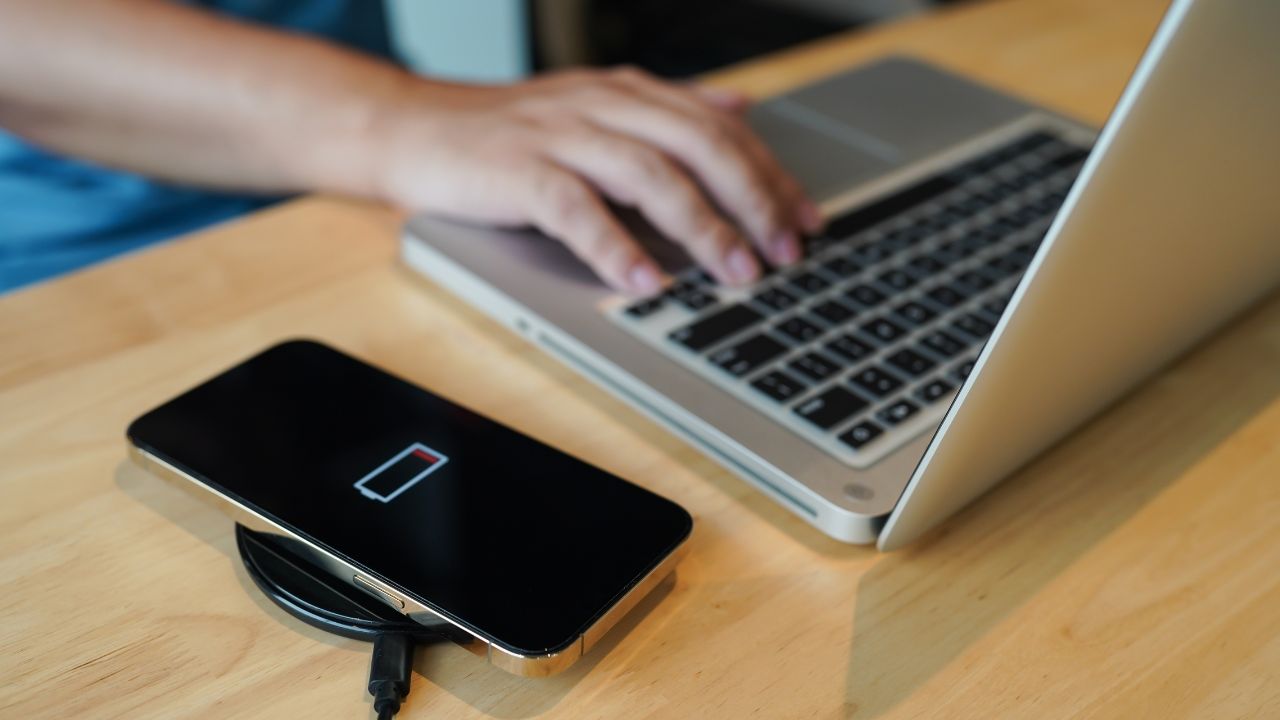

Discover Why The Cell Phone Battery Drains Fast, What Habits Harm The Battery Health, And How To Increase The Device Autonomy.
The rapid charge loss in cell phones is one of the biggest complaints from users. But after all, what is behind this problem? According to experts, the cause ranges from the natural wear of lithium-ion batteries to daily habits that harm their health.
This situation affects users around the world and occurs because current technology has not yet managed to create a “superbattery” capable of lasting several days without recharging.
Therefore, understanding how this component works and adopting good practices is crucial to prolonging its lifespan.
-
NASA Explores How Microgravity and Sensors Alter Soccer Ball Spin in Space

-
Qatar Commissions World’s Largest Gas Ship, a 344-Meter Giant Now Under Construction

-
Expert Challenges Alarmism Over El Niño in Brazil: Atmosphere Yet to Respond to Warm Pacific, Advises Farmers Against Selling Cattle or Delaying Planting Before September
-
In a Degraded Atlantic Forest Area, a São Gonçalo Resident Transforms Land into a Living Eco-Museum, Now a Model for Environmental Education




What Cell Phone Batteries Are Made Of
Most modern cell phones use lithium-ion (Li-ion) or lithium-polymer (Li-Po) batteries. They store energy through the movement of ions between two poles: the anode and the cathode. This technology is lightweight, efficient, and rechargeable.
However, there is a limit: each battery supports between 300 and 500 complete charge cycles before losing a significant part of its capacity.
Engineer Rodrigo Rodrigues explains that factors such as excessive heat, complete discharges, and frequent fast charging accelerate this degradation.
Why Battery Health Deteriorates Over Time
From the moment it leaves the factory, the battery begins to age. This occurs due to cell oxidation, an inevitable chemical process that gradually reduces its storage capacity.
According to Lucas Pereira, a device repair specialist, with each charge cycle, the battery loses some efficiency.
The result is noticeable: less autonomy and the need for more frequent recharges.
In addition, habits such as letting the cell phone discharge to 0% or keeping it always at 100% accelerate performance loss.
“The ideal is to keep the battery level between 20% and 80%, without having to wait for it to reach 0% or always forcing it to 100%. Partial charges are perfectly acceptable and help prolong the lifespan of the cells,” emphasizes Rodrigues.
Signs That The Cell Phone Battery Is Dying
Some symptoms indicate that the battery health is no longer in good condition. Among them are rapid drops in charge level, sudden shutdowns, and even physical swelling of the component.
On iPhones, Apple itself offers a battery health indicator in the system. On Android phones, it is possible to use apps and internal menus to check the remaining capacity.
When this number falls below 80%, experts recommend replacement.
What Makes The Cell Phone Battery Drain Fast
Several factors contribute to the cell phone draining faster than usual. Among the main culprits are:
Background Apps: social media and GPS continue to consume energy even if not actively in use;
High Screen Brightness: is one of the biggest contributors to accelerated consumption;
Multiple Connections: Wi-Fi, Bluetooth, and location active at the same time demand more from the battery;
Weak Network Signal: causes the device to use extra energy trying to maintain connection;
Extreme Temperatures: both heat and cold affect battery chemistry;
Constant Notifications: keep the screen active several times a day;
Outdated Software: old app versions may consume more energy than necessary.
Is Charging Overnight Bad?
A common question is whether charging the cell phone overnight harms the battery. According to Lucas Pereira, current systems can control the flow of energy and prevent overcharging.
However, keeping the cell phone at 100% for many hours can generate overheating and accelerate wear.
“It is not ideal to leave it plugged in all night, as this keeps the battery under high tension. Using the device while charging can generate heat and reduce its lifespan in the long run,” warns the specialist.
Good Practices To Preserve Battery Health
To prolong the lifespan of the cell phone battery, experts recommend:
Keeping the charge between 20% and 80%;
Avoiding extreme temperatures and sun exposure;
Reducing screen brightness and activating dark mode on phones with OLED displays;
Disabling unnecessary notifications and connections that are not in use;
Using only certified chargers and inspecting cables regularly;
Keeping the system and apps always updated.


