Portuguese
  Spanish



The US Is The Largest LNG Exporter. Brazil Relies On Imports For Energy Security. Russian Influence Is An Outstanding Analysis Topic.
The LNG export sector has been facing challenges in the United States, with the government recently announcing a temporary suspension of approvals for new liquefied natural gas export projects. This measure has sparked heated debates about the environmental and economic impact of this decision.
This suspension is directly linked to pressures from environmental groups, which have influenced the Joe Biden administration to halt the licensing reviews for new LNG liquefaction plants. The Department of Energy’s decision reflects concerns about the industry’s impacts and the need to review approval processes amid the electoral race for the presidency in 2024.
LNG Export: Temporary Pause And Careful Analysis
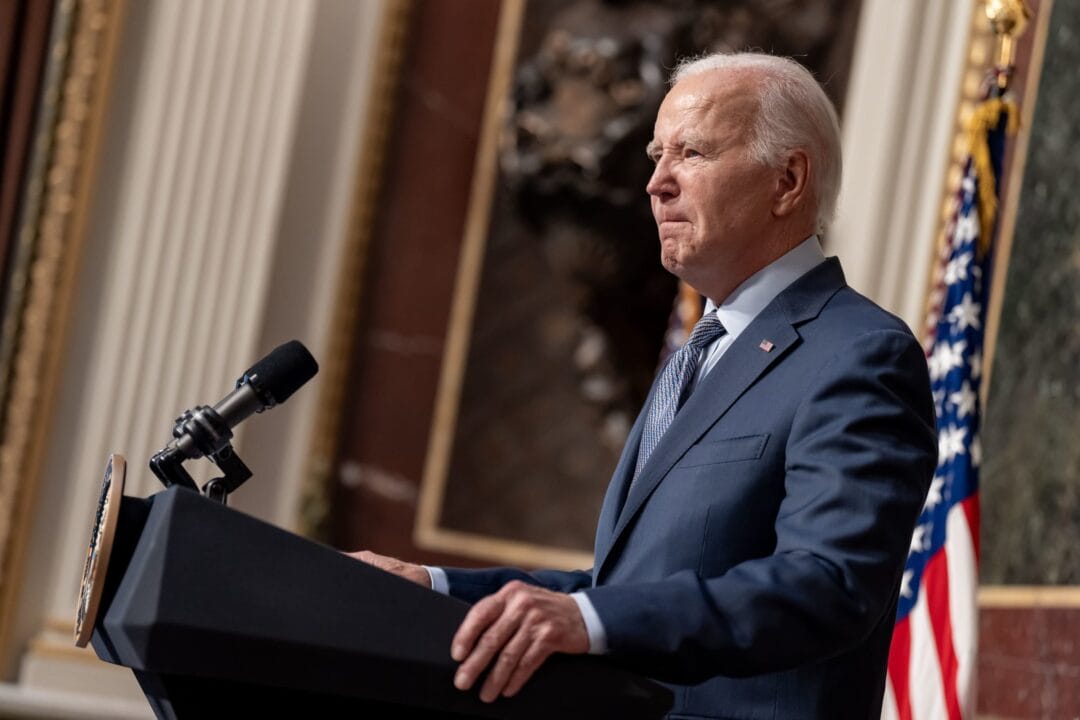
My Administration announces today [1/26] a temporary pause on pending decisions regarding LNG exports – except for unforeseen and immediate national security emergencies. During this period, we will carefully assess the impacts of LNG exports on energy costs, the energy security of America, and our environment. This pause in new LNG approvals sees the climate crisis as it is: the existential threat of our time, stated President Joe Biden in an official statement.
-
OPEC+ Boosts Oil Supply by 188,000 Barrels per Day in July 2026, Leading to Price Drop from $112 to $89 per Barrel in Under Two Months

-
TotalEnergies Signs 20-Year Deal to Purchase 2 Million Tons of LNG from Alaska, Boosting Project Viability
-
Turkey Deploys Çağrı Bey Drilling Ship to Explore New Oil Frontier Off Somalia’s Coast
-
Golden Pass LNG Ships First Liquefied Gas Cargo from the U.S., Completing $10 Billion QatarEnergy and ExxonMobil Investment



The Rise Of The United States As An LNG Exporter
The United States became the largest LNG exporter in the world in 2023, surpassing Qatar and Australia. They are the main suppliers to Brazil and have positioned themselves as an important source of gas for Europe, as an alternative to Russian gas.
Growth Of US LNG Export Capacity
The forecast is that US LNG export capacity will grow from 84 million tons/year in 2023 to over 181 million tons/year by 2030. This would represent nearly 30% of global production of liquefied natural gas at the end of the decade, according to S&P Global Commodity Insights.
Environmental And Climatic Impacts Of LNG Export Projects
Environmentalists argue that continuing to allow the construction of large LNG export plants would undermine the climate goals of the Biden administration.
The suspension of new licenses announced by the US government marks a ‘significant turning point’ in the fight against emissions and other environmental impacts of the gas industry in the US, according to the environmental group Sierra Club.
The executive director of the Sierra Club, Ben Jealous, questioned the public interest of new liquefaction projects in the country, adding that ‘the decision is a major victory for the communities and advocates who have long spoken about the dangers of LNG and makes it clear that the Biden administration is listening to calls to end America’s dependence on dirty fossil fuels and ensure a livable future for us all.’
Industry Positioning And Influence On Gas Geopolitics
The American Petroleum Institute (API) issued a joint letter with other representative entities of the sector warning of the effects of the measure. According to the local industry, the suspension may reinforce Russian influence in gas geopolitics.
The letter highlights the critical role that continued US LNG exports play in safeguarding national security, creating jobs, supporting the European market, and contributing to global climate goals – when considering gas as a substitute for coal in the local economy and in Asia.
The abundant supply of natural gas from our country is a powerful geopolitical tool, helping to shield American consumers from growing global instability while promoting American national interests and ensuring energy security for America’s key allies, stated the groups.
The letter cites that the Biden administration has already extended the LNG licensing process from an average of seven weeks to 11 months, and that any additional changes to export licensing approvals would represent an ‘unnecessary addition to an already burdensome bureaucratic process.’
Source: EPBR