Portuguese
  Spanish


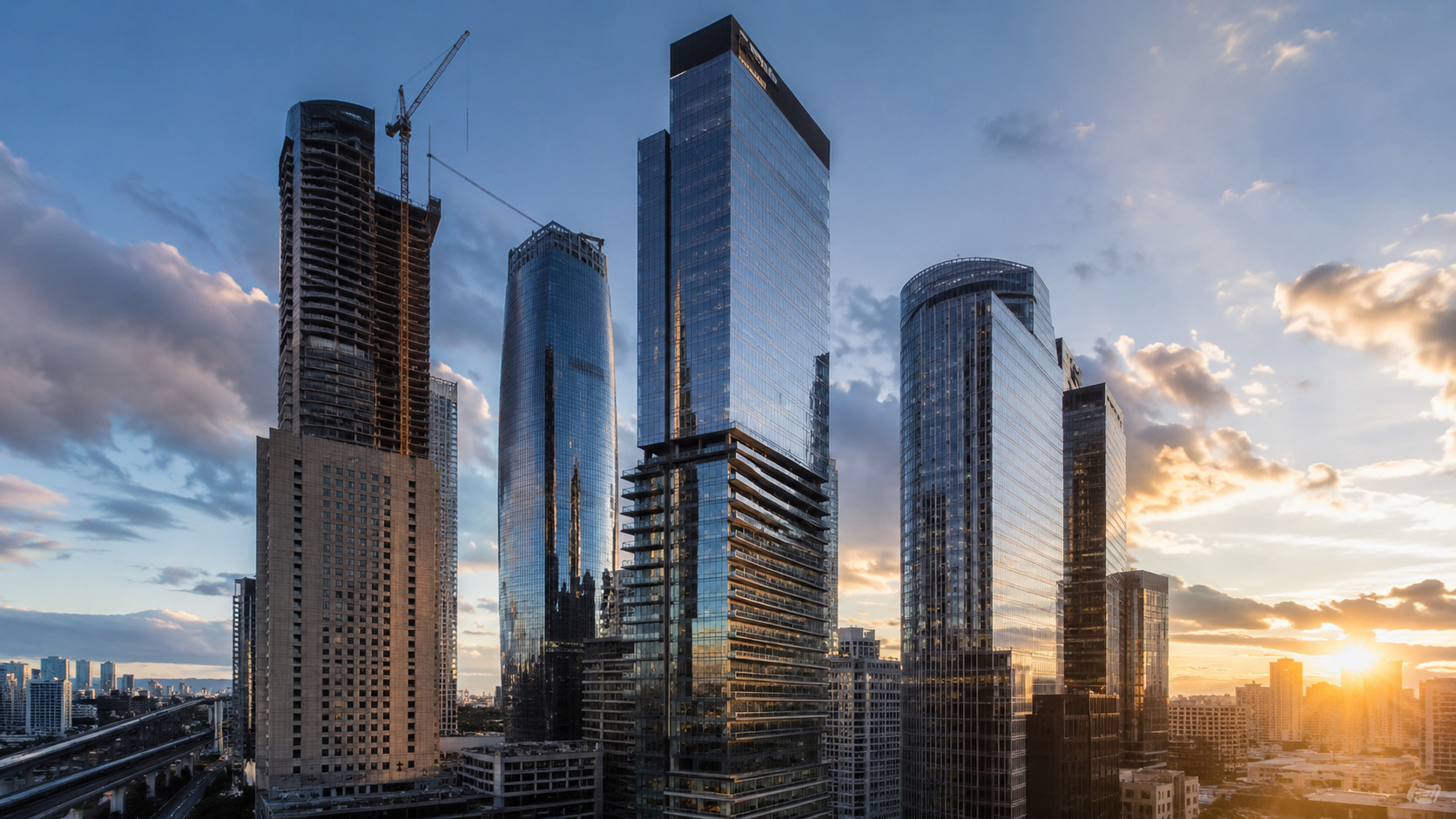

Technical control of concrete redefines quality standards, extends the durability of structures, and helps construction companies reduce failures in large-scale projects
A technical change of great impact is gaining ground in the Brazilian civil construction sector, attracting the attention of construction companies, developers, and engineering specialists. Technological management of construction projects has become an essential strategy in skyscrapers, commercial buildings, residential developments, and infrastructure projects. The process reduces waste, improves material control, and reinforces structural safety from the earliest stages of construction. According to DAHER Engenharia, specialized in consulting engineering and technology applied to civil construction, this work begins even before the concrete arrives at the construction site.
Technical control begins before the concrete arrives at the site
The first stage involves an audit at the concrete plant, as explained by managing partner César Daher. The analysis uses proprietary technical parameters, accumulated research, and current standards to ensure that the supplied material maintains the standard required by the structural project. The company also evaluates the compatibility of the materials that make up the concrete and checks if their properties meet the requirements of each project. According to César Henrique Daher, the evaluation considers the project’s technical specifications, normative best practices, and the structural durability required for each construction.
When the material does not meet the defined criteria, the company suggests technical corrections or develops the rational dosage study of the mix. In the sector, this procedure is known as the “concrete recipe,” as it defines the ideal composition of the material for each purpose. Thus, technological control ceases to be just a one-time verification and becomes a preventive stage. The goal is to avoid future failures, reduce risks, and ensure greater predictability of the structure’s performance.
-
U.S. City Builds Tiny Home Village on Water Company Land to House 136 Homeless People: Inside the Social Housing Units

-
Woman Turns Shipping Container into Home, Embraces Rural Life to Cut Monthly Expenses to Just Over $330
-
France Revamps 530 Social Housing Units with Large Balconies and Glass Facades Without Demolishing Existing Buildings

-
Facing high rent, couple transforms parents’ garage into a fully functional apartment, creating a complete home at a fraction of the market cost.




Continuous monitoring accompanies all phases of construction
After the initial audit, technological management continues to monitor the construction in a continuous and strategic manner. Each concrete load is evaluated when it arrives at the site, before being released for use. The control also checks resistance, physical-mechanical properties, and compliance with project requirements. According to César Henrique Daher, the proposal is not just to test the material, but to statistically understand if the concrete maintains adequate performance over time.
This monitoring allows identifying deviations and correcting problems before they affect the structure. According to César Daher, preventive action helps correct failures before they occur. With this, construction companies and developers can reduce rework, avoid construction anomalies, and improve the efficiency of the project. In large-scale developments, this type of control becomes even more relevant, as small material failures can lead to high costs and compromise deadlines.
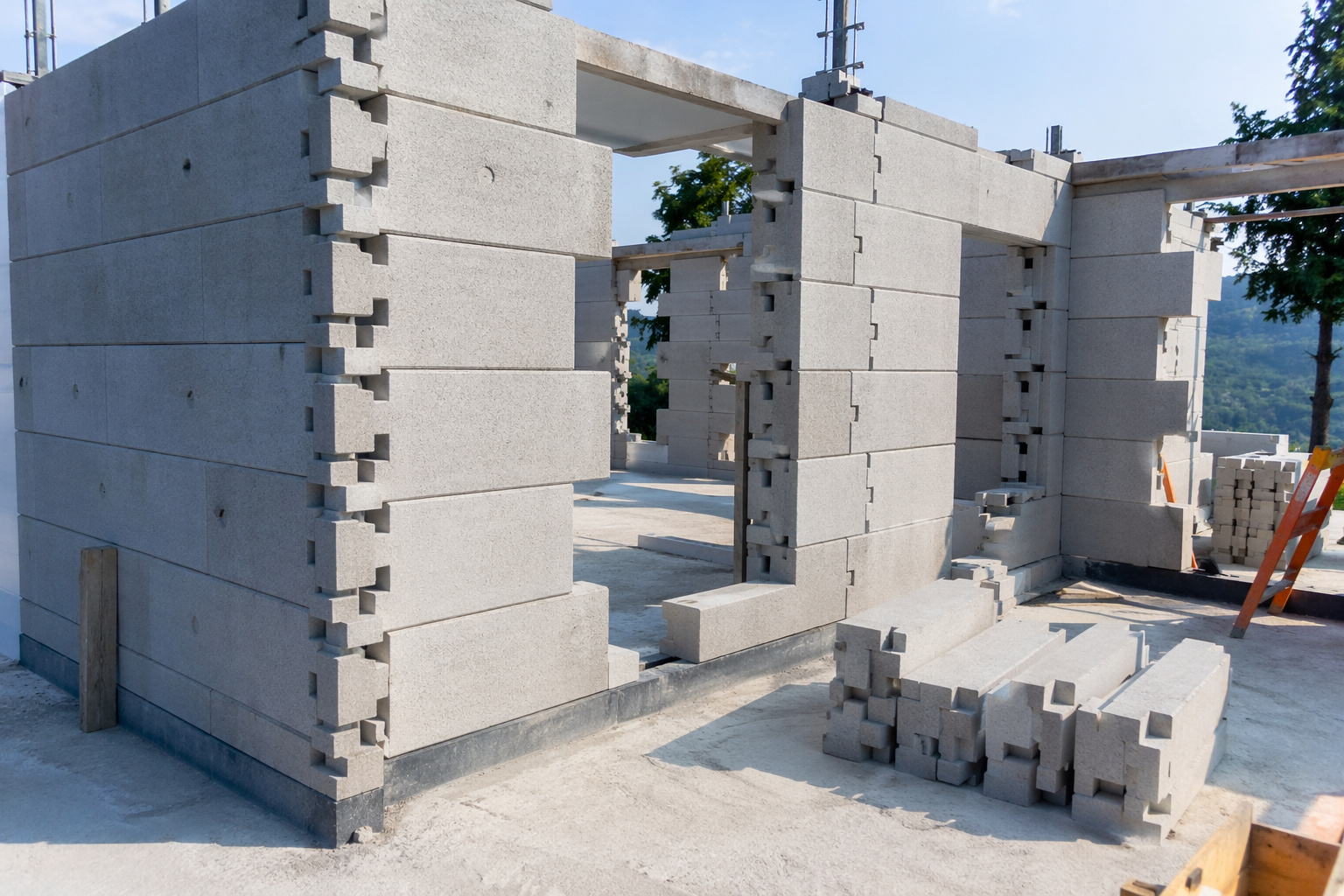
Real savings appear in the reduction of failures and waste
Technological management also directly impacts the costs of projects. The reduction of waste, prevention of construction problems, decrease in rework, and increase in the lifespan of structures are among the main benefits pointed out by DAHER Engenharia. The process is seen as a strategic investment, as it improves construction quality and reduces financial risks throughout the execution and operation of the project.
This logic becomes even more important in complex vertical constructions. Skyscrapers require materials with consistent performance, rigorous control, and technical decisions aligned with the structural design. Therefore, concrete needs to meet specific standards of strength, durability, and application. When this control is done in advance and statistically, the project gains more safety, predictability, and efficiency.
ESG also appears in the choice and performance of materials
Technological management is also connected to ESG practices, mainly through the reduction of waste and more efficient material choices. According to Fabiola Daher, culture and innovation manager at DAHER Engenharia, this concern was already part of the company before the term became popular in the corporate market. For her, engineering needs to consider who buys, who inhabits, how long the project will last, and how it impacts the environment.
In practice, this vision appears in the optimization of concrete mix, which improves material performance and can reduce the consumption of inputs associated with high CO₂ emissions. The company also cites examples of circular economy, such as the use of rice husk ash in the concretes of the Paranaguá Container Terminal. Other examples include the application of active silica in the Guaratuba Bridge and some skyscrapers, as well as the use of rolled pebbles in a lodge on the island of Fernando de Noronha to address local logistical challenges.
DAHER has consolidated its role in major projects since 1983
Founded in 1983 within the Pontifical Catholic University of Paraná, DAHER Engineering began as a service provider focused on the control and technological advisory of constructions. Over the years, it has established itself as a national reference in consultative engineering, material technology, and applied control for large projects. The company operates in industrial ventures, infrastructure projects, and vertical constructions in Brazil and abroad.
In 2019, according to DAHER Engineering, six of the ten tallest buildings in Brazil had its technical endorsement. This history reinforces the importance of consultative engineering in large-scale projects. Currently, as buildings become taller and more complex, material control becomes increasingly decisive.
In this scenario, will the future of Brazil’s great skyscrapers depend more on the height of the structures or the technical intelligence applied even before the first concreting?