






 Portuguese
  Spanish


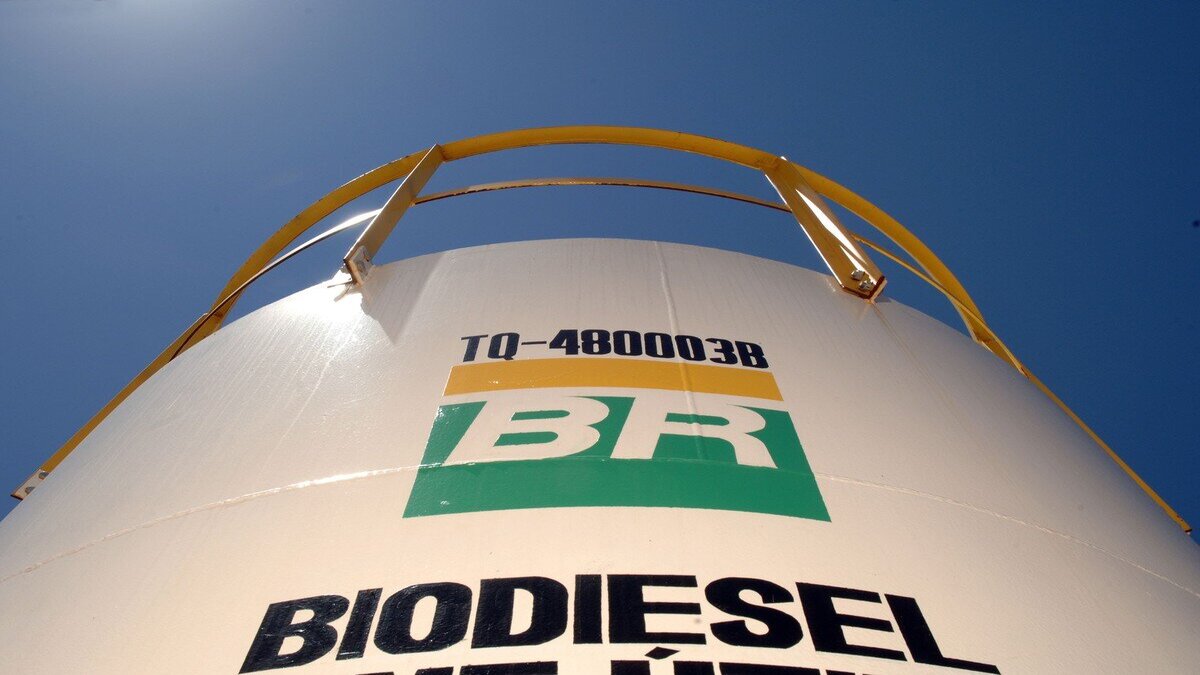


In Addition to Biodiesel Absorbing More Water, Other Major Problems Often Come to Light. Check It Out!
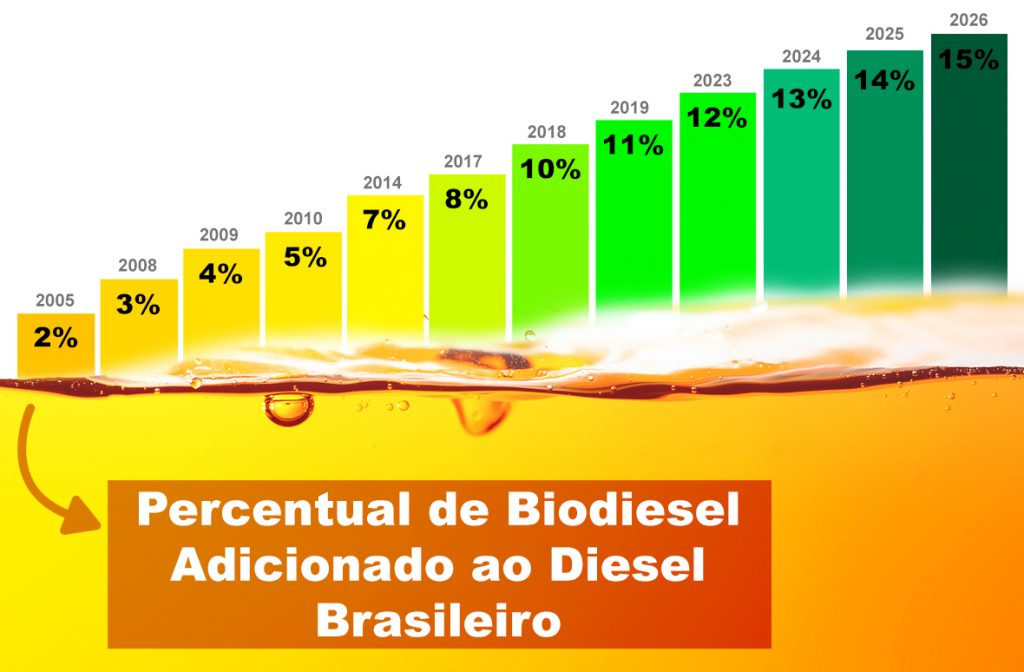
The blend of biodiesel in diesel in Brazil is currently at 14%, as established by the National Energy Policy Council (CNPE). The “Fuel of the Future” law allows for a variation in the proportion of biodiesel between 13% and 25%.
Biodiesel: The Return to Origins and Its Challenges in Modern Engines
In recent years, biodiesel has gained prominence as a sustainable alternative to conventional diesel, recalling its origins in the use of vegetable and animal oils. However, this return to the roots presents significant challenges, especially for modern diesel engines.
-
Discover the 2021 Fiat Cronos 1.3: Affordable Maintenance, Reliable Mechanics, and Fuel Efficiency of Up to 15.6 km/l

-
Cummins Unveils Hydrogen-Powered X15H Engine with Over 800 km Range and 15-Minute Refueling, Challenging Electric Truck Dominance

-
Chevrolet Onix 2026 Priced at R$ 86,790 with Discounts, Underpricing Citroën C3; Features 1.0 Engine, 6 Airbags, 8″ MyLink, Wi-Fi, and OnStar

-
Fiat Mobi Price Nears $18,000 in Brazil: Entry-Level Hatch with 1.0 Firefly Engine, Manual Transmission, and Stability Control Sees $400 Increase.


⛽ Let’s explore why biodiesel, despite its ecological promise, can cause problems in engines and how we can overcome them.
Water Absorption: The Villain of Diesel Engines
One of the main problems with biodiesel is its ability to absorb water — up to 40 times more than regular diesel. This characteristic, although natural due to its composition, can lead to a series of complications, such as oxidation, formation of chemical and biological sludge, and clogging of filters and injectors. These problems are not just inconvenient; they can cause significant damage to engines, leading to high costs and unexpected downtime.
⛽Modern Engines: High Sensitivity
Modern diesel engines are designed with advanced technologies that enhance their efficiency and power. However, this evolution comes with greater sensitivity to impurities in the fuel. Unlike older engines, which were more robust and tolerant to variations in diesel quality, today’s models require extra care regarding the fuel used. This means that the quality of biodiesel becomes even more crucial.
Good Practices and Quality Additives
To avoid the problems associated with biodiesel, it is essential for farmers and transport companies to adopt good practices in handling and storing fuel. Additionally, the use of quality additives proves to be an effective solution. Additive products from reliable companies can protect engines from degradation caused by biodiesel, improving their performance and durability.
The Connection Between Technology and Sustainability
The transition to biodiesel does not have to be an obstacle; rather, it can be an opportunity to innovate. The combination of good practices and high-quality additives can ensure that modern diesel engines operate efficiently and sustainably. Understanding and awareness of these points are essential for the agricultural and transport sectors to adapt to this new reality.
Biodiesel represents an important step towards a more sustainable energy matrix. However, it is vital that all those involved in the production and use of this fuel understand the challenges it presents. With the right combination of knowledge, good practices, and quality additives, it is possible to enjoy the benefits of biodiesel without compromising the efficiency of modern diesel engines.
For more information and a detailed analysis on this topic, you can check out the video here.









Se biodiesel fosse bom, não seria obrigatório.
É mais caro, desgasta filtros e injetores muito mais rápido, complica armazenamento por ter que consumir logo antes das borras…
Se fosse mais barato, até que poderia ter algum argumento, mas é pior qualidade e maior preço.
Só serve para dar dinheiro para amigos do poder.
Tenho motor mwm 229 6 cil..meu motor esta em casa ligo em 15×15 dias….e nao da pra usar o mesmo oleo nesse intervalo…o oleo diesel vira gelea….
.
É de uma burrice imensurável essa matéria…
Você atualmente usa diesel em seus maquinários, seu péla saco do inferno? Não tem bomba injetora que aguente.
Fácil, sugerir ingestão de aditivos, quem arca com esse custo ?? Os **** dos usuários finais. Pq já não sai da bomba com os aditivos, pagos por quem produziu essa ****?
A pessoa que escreveu a reportagem está protegendo muito o biodiesel. Os motores diesel atuais são tão robustos quanto os antigos. O problema que eles enfrentam é com relação aos dispositivos para reduzir emissões. Válvula EGR. Filtros DPF e Arla.
Os motores antigos altamente poluente não tinham isto.
Se pegarmos um motor atual e eliminarmos tudo isto todos os problemas serão resolvidos. É o que está acontecendo.