






 Portuguese
  Spanish



Reasons Behind Bitcoin’s New Peak
On May 22, 2025, bitcoin (BTC) reached a new historical high, trading at an impressive US$111,861, according to CoinMarketCap data. This milestone reinforces the cryptocurrency’s position as one of the most valued and discussed assets globally. Several factors contributed to this exceptional performance, from favorable government policies to intrinsic characteristics of the digital currency.
The Origin of Bitcoin
Bitcoin was conceived in 2008 by an entity under the pseudonym Satoshi Nakamoto, whose identity remains unknown to this day. This mystery fuels debates and theories in the cryptocurrency world, giving an enigmatic air to its origin. Despite the anonymity of its creator, bitcoin has established itself as a financial revolution, with a market value that surpasses that of many national currencies and global corporations.
The Programmed Scarcity of Bitcoin
Unlike fiat currencies, bitcoin has a predefined maximum supply of 21 million units. Currently, about 19.7 million have already been mined, representing approximately 93.7% of the total. This deflationary characteristic increases the asset’s perceived value, making it even more attractive to investors seeking protection against inflation and expansionary monetary policies.
-
Half of Brazilians Prefer Lower Taxes with Private Health and Education, While 44% Opt for Higher Taxes for State-Provided Services, Datafolha Survey Reveals

-
Brazil’s Most Expensive Toll Rises to R$ 40.60 on Route from São Paulo to the Coast, Nearly Matching Bus Fare to Santos

-
As Brazil Expands Social Welfare, Survey Reveals 40% Blame Poverty on Laziness, While 58% Cite Lack of Opportunities

-
China Tightens Control on Antimony, Driving Prices from $22,000 to Nearly $40,000 per Ton as U.S. Rushes to Bolster Strategic Reserves




The First Commercial Transaction with Bitcoin
In 2010, programmer Laszlo Hanyecz made the first documented purchase using bitcoin, buying two pizzas for 10,000 BTC. At the time, the transaction seemed trivial, but with the current appreciation of the cryptocurrency, this episode has become emblematic, illustrating the potential for growth and the increasing adoption of bitcoin over the years.
The Pillars of Blockchain
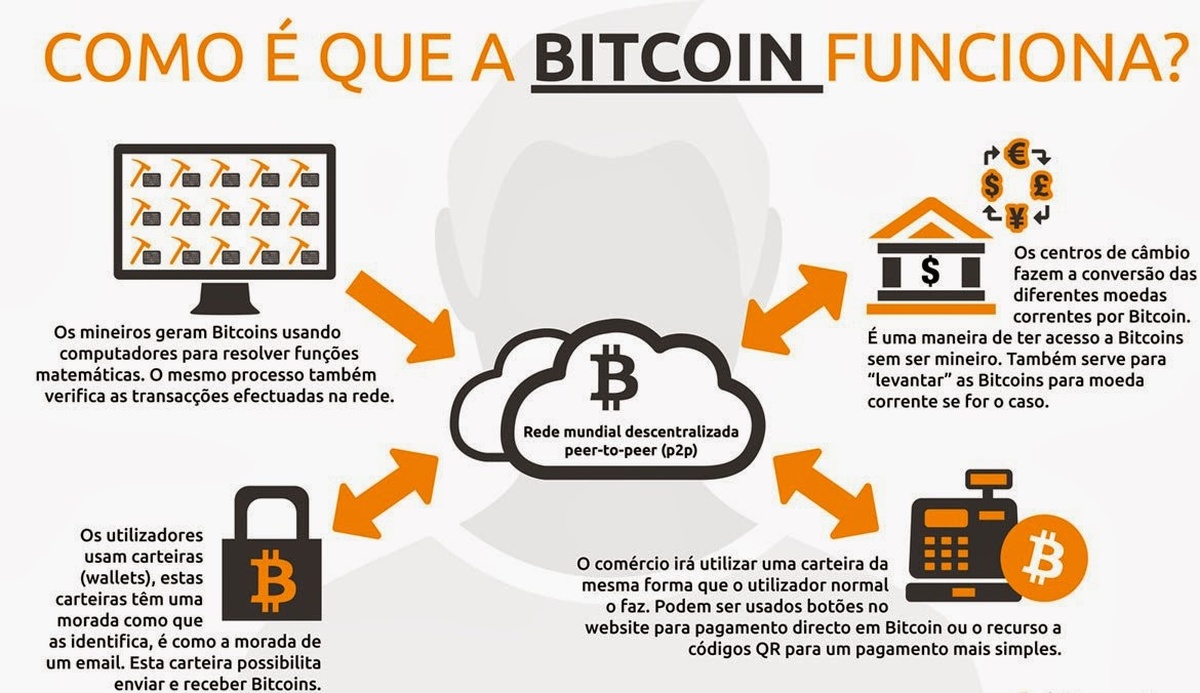
Bitcoin operates on blockchain technology, a decentralized system that records all transactions in a transparent and immutable manner. This structure makes it virtually impossible to forge or alter data, ensuring the security and trust of users. The robustness of blockchain is one of the main factors that sustain the credibility and institutional adoption of bitcoin.


The Scarcity Beyond Programming
It is estimated that about 20% of the bitcoins already mined are permanently inaccessible due to lost private keys, storage device failures, or forgotten passwords. This effective loss further reduces the circulating supply of the cryptocurrency, increasing its scarcity and, consequently, its market value. Bitcoin’s rise to new records occurs because technical, historical, and economic factors act strategically and complementarily at the same time. Additionally, its innovative design directly contributes to its success, especially when combined with the growing institutional acceptance. On the other hand, favorable public policies also reinforce this movement, positioning bitcoin as a prominent asset in the financial landscape. Meanwhile, its limited supply helps preserve value, particularly as it is supported by a solid and reliable technological foundation. Therefore, the cryptocurrency continues to attract investors seeking security, constant appreciation, and, above all, innovation in the digital market.









Bitcoin é o futuro.