






 Portuguese
  Spanish


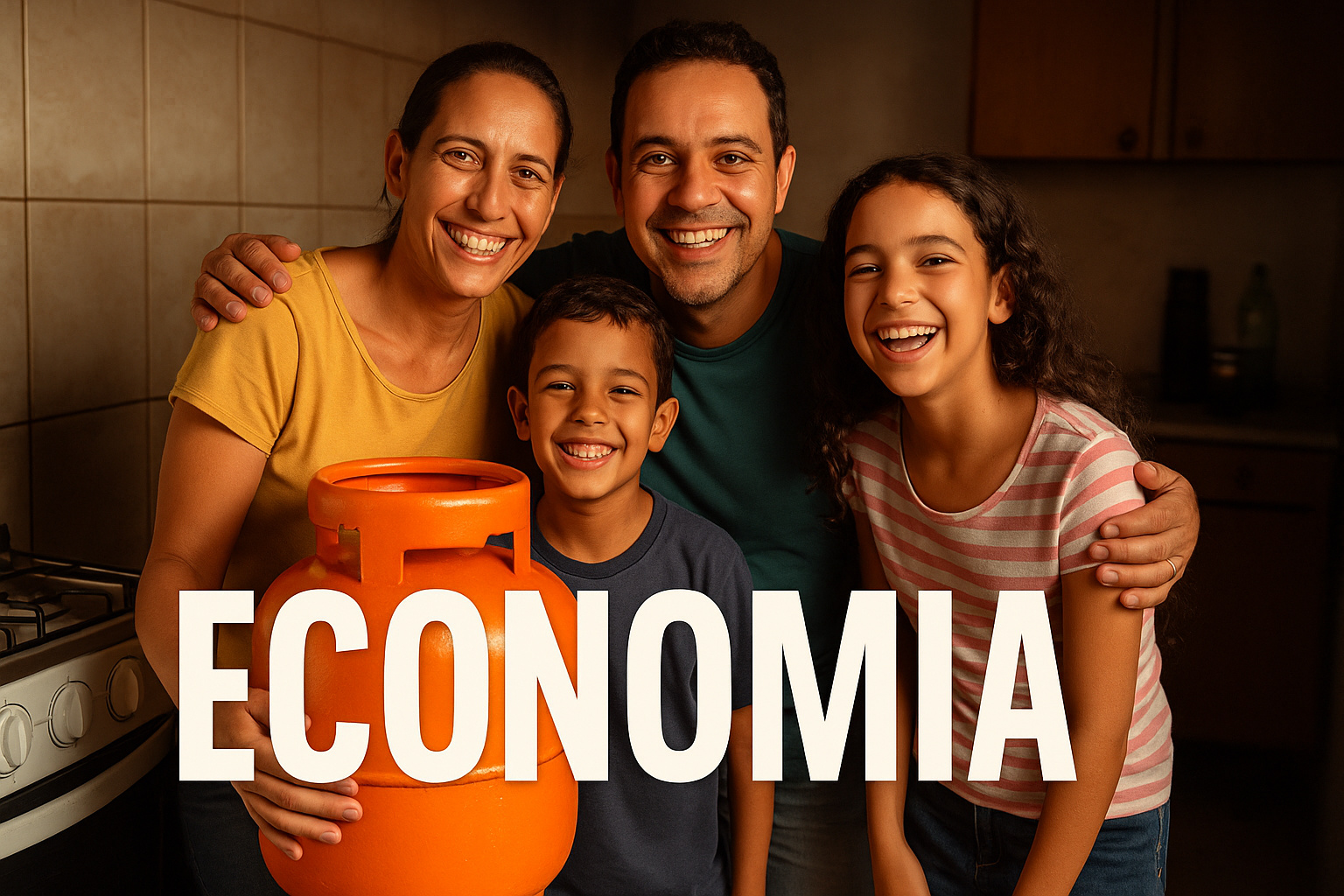
Cheaper Gas All Over Brazil! See How Much the Gas Cylinder Will Cost and Who Will Receive the Government’s New Benefit.
Government Launches People’s Gas and Sets Price for Gas Cylinders Nationwide
The Federal Government announced the official values of the People’s Gas program, which will start in November and promises to reduce the price of gas cylinders for millions of low-income families throughout Brazil.
The project, which will replace the Gas Aid program, was developed by the Ministry of Finance and the Ministry of Mines and Energy, aimed at alleviating the impact of cooking gas on family budgets and strengthening the popular economy.
According to the ordinance published in the Official Gazette of the Union, the price of the 13 kg gas cylinder in the program ranges from R$ 89.67 to R$ 122.12, depending on the state.
-
Major Brazilian Supermarkets, Including Carrefour and Assaí, May Close Earlier to Prevent Price Increases

-
Coca-Cola Shuts Down 100-Year-Old Factory in the U.S., Impacting 85 Workers and Shaking Local Community with Historic Consequences
-
Bianca Andrade Invests $30 Million of Her Own Money in Boca Rosa, Launches Over 100 Products in a Year, Aiming for $400 Million by 2026
-
Belo Horizonte Becomes First Brazilian City to Fund Housing, Utilities for 100 Homeless Families with $900,000 Initiative


Economy and Inclusion: How the People’s Gas Benefit Will Work
The People’s Gas program will be rolled out gradually, starting in November 2025 and reaching all states by March 2026. The initiative focuses on families registered in the CadÚnico, with per capita income of up to half a minimum wage, giving priority to beneficiaries of the Bolsa Família.
The program provides for the delivery of up to six cylinders per year, depending on the number of family members. The government estimates it will benefit 17 million families, which represents about 50 million Brazilians — three times more than the currently served by the Gas Aid program.
In Minas Gerais, for instance, 1.2 million families will be covered, with 7,000 accredited resellers in all municipalities.
How Much the Gas Cylinder Will Cost in Each State
The defined values serve as a reference for reimbursement of the government-accredited resellers. See some examples:
- Pernambuco: R$ 89.67
- Rio de Janeiro: R$ 92.12
- Espírito Santo: R$ 93.74
- Minas Gerais: R$ 94.19
- Bahia: R$ 101.36
- Ceará: R$ 102.13
- São Paulo: R$ 96.51
- Mato Grosso: R$ 125.05 (highest price in the country)
- Acre: R$ 122.12
- Amazonas: R$ 94.89
These values will remain in effect until December 31, being updated in 2026, according to market variations.
Cheaper Gas and Direct Impact on Family Economies
The People’s Gas program promises to reduce household expenses and generate savings for millions of Brazilians. According to the government, the program has a dual positive effect: it lightens the citizens’ expenses and stimulates the local economy, as saved money tends to return to community commerce and services.
“By ensuring access to gas at fair prices, the government promotes social inclusion and strengthens domestic demand,” highlighted the Ministry of Mines and Energy in an official statement.
People’s Gas: A Benefit with Social and Economic Focus
The People’s Gas program goes beyond supporting families and reinforces the government’s strategy to stimulate essential consumption and reduce regional inequalities.
With the definition of reference prices, the program gains transparency and predictability, which ensures continuous and secure supply from accredited resellers.
Thus, the initiative combines social benefit and economic strengthening, making the price of gas cylinders fairer throughout the country.
Therefore, the People’s Gas establishes itself as one of the main economic relief initiatives, bringing energy security and financial stability to millions of Brazilian households.







Be the first to react!