Portuguese
  Spanish



Even With High Potential for Solar Energy, Brazil Wastes Clean Energy Due to Lack of Storage Batteries, Reveals Absae Summit.
Despite having one of the cleanest energy matrices on the planet, Brazil continues to waste solar energy by not investing in adequate storage systems. This was one of the main conclusions of the Absae Global Summit, recently held in Brasília. The event brought together experts from around the world to discuss the future of clean energy and the role of batteries in the energy transition.
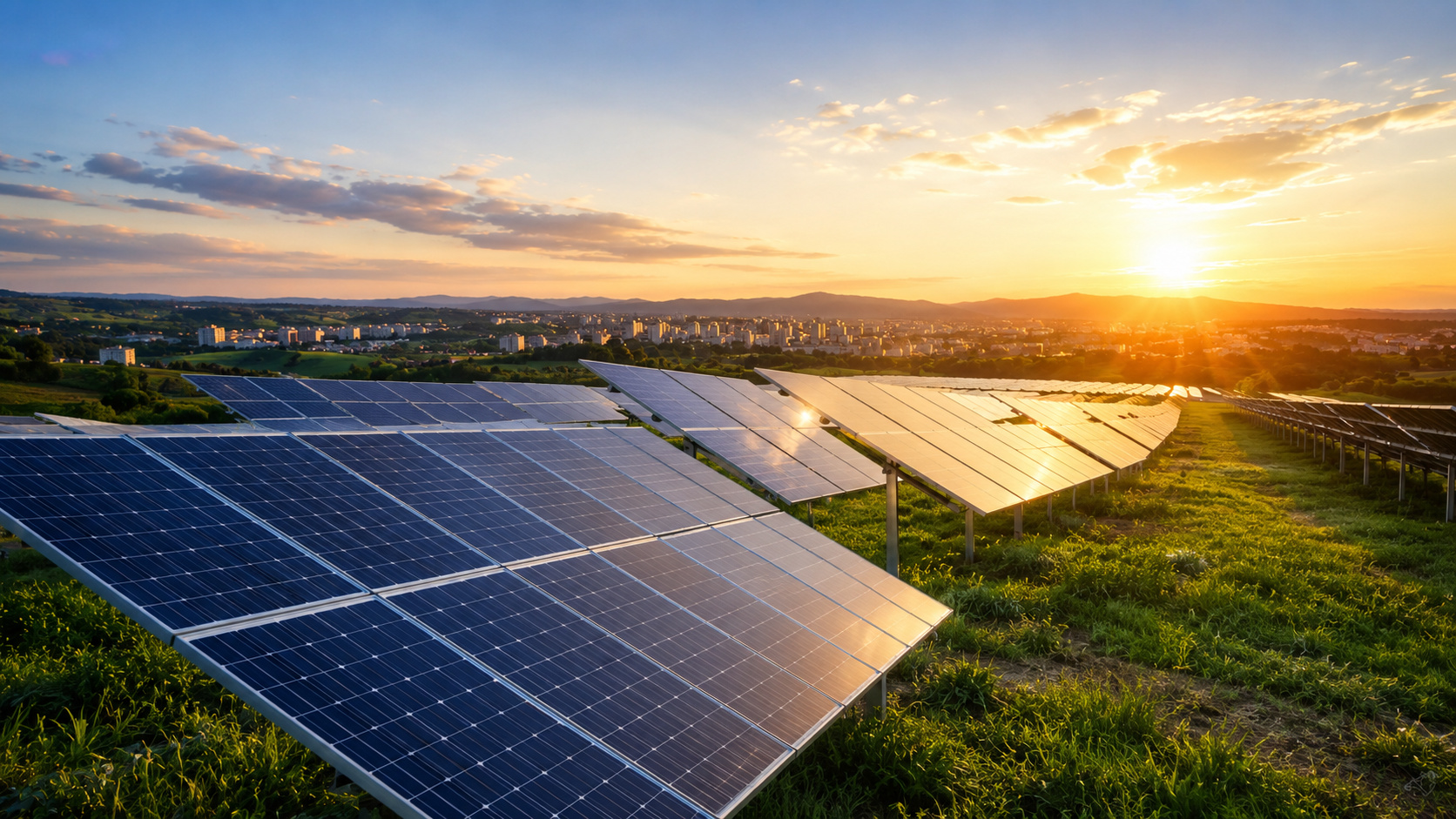
Imagine the following scenario: you install a solar panel on your roof and, while you are at work, the system generates clean energy in abundance.
However, since this production occurs at a time when you are not consuming it, the electricity ends up being wasted. At night, without sunlight, you are forced to rely on the conventional electrical grid — more expensive and, often, polluting.
-
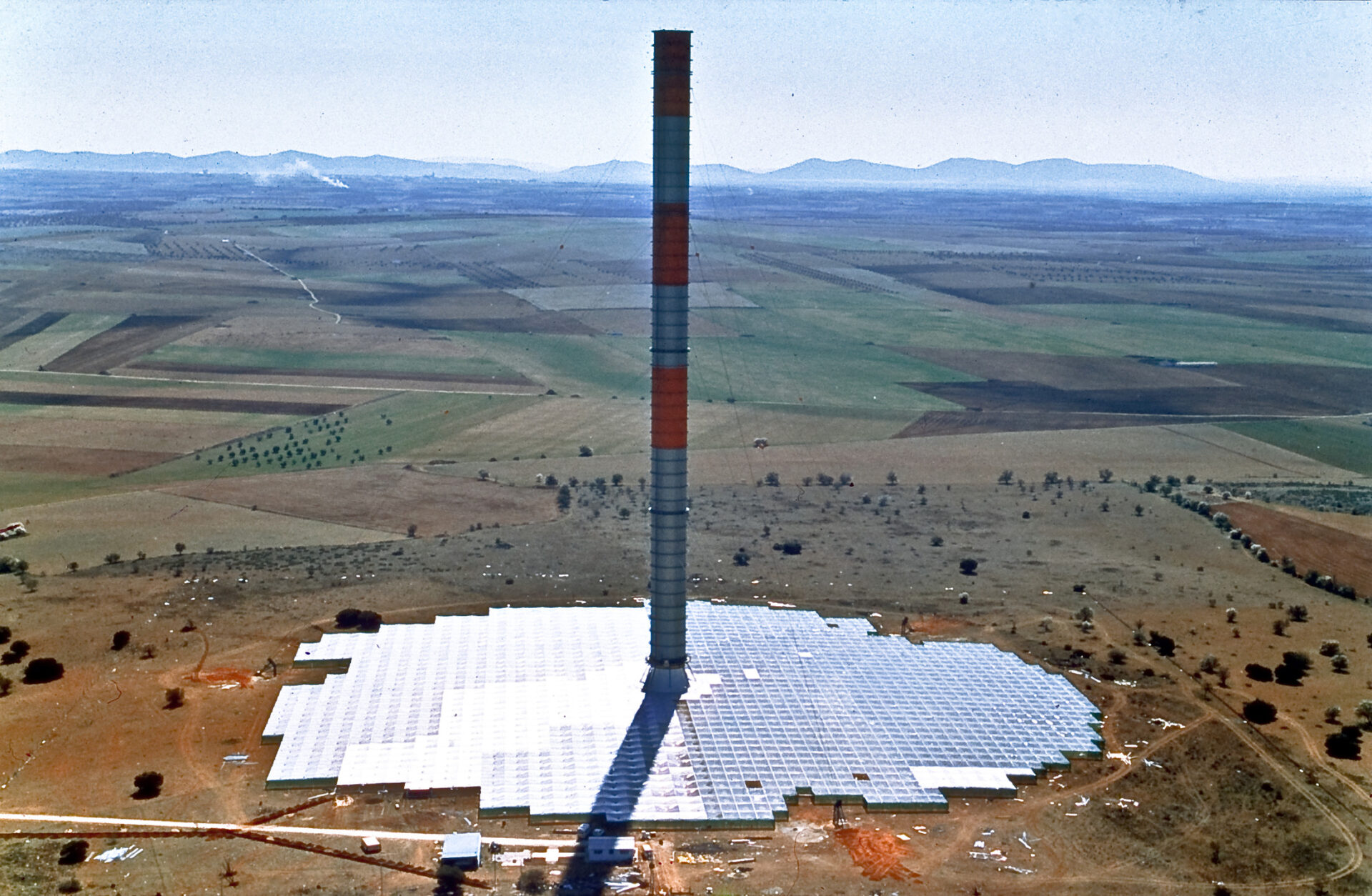
Solar Chimney in Spain Harnessed Sun to Generate Electricity for 7 Years Without Burning Fuel

-
Solar energy reaches 55 GW, becoming the second largest power source in Brazil’s energy mix

-
Solar energy can increase property value by up to 10% and become a selling point.
-
Solar and wind energy surpass natural gas for the first time in the world and accelerate energy revolution

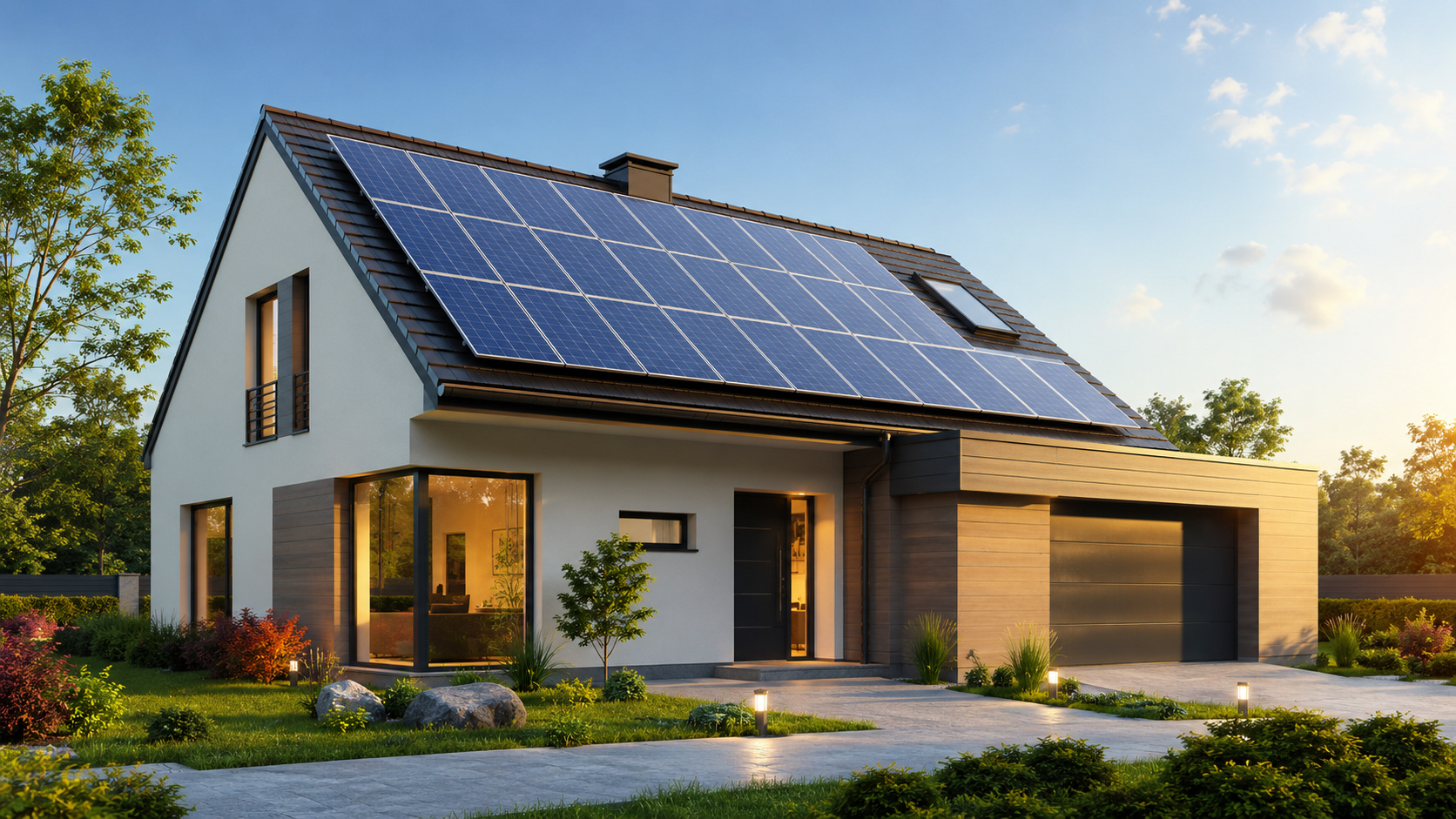

The solution to this problem lies in using batteries to store solar energy generated during the day. But, unfortunately, this technology is still not a priority in Brazil.
Storage Is Key to Economic and Energy Security
During the Absae Summit, representatives from countries such as the United Kingdom, Australia, Chile, and the United States presented impressive data on the adoption of battery systems.
Sarah Howarth from the United Kingdom highlighted that the country already operates with over 8 GW in storage, with another 15 GW in the approval phase. “Without batteries, there is no security. It’s like building a hydroelectric plant without a reservoir,” she stated.
Thiago Costa from the Australian operator AEMO reinforced the role of batteries as a shield against blackouts. Carlos Finat from Chile revealed that the country lost 2,400 GWh of solar energy in 2023 due to lack of infrastructure. In response, the Chilean government approved legislation to encourage the installation of storage systems.
In California, batteries already provide more than 5% of the energy during peak times. And with an 85% drop in prices over the last 10 years, storage has become economically viable and scalable, as highlighted by Lina Ramirez, representative of the G-PST consortium.
Brazil Still Observes While the World Advances in Solar Energy Storage
Even with abundant sun and wind, Brazil is still moving at a slow pace. Currently, the country lacks a solid regulatory framework for the large-scale use of batteries.
The proposal for the Capacity Reserve Auction (LRCAP), which would include storage systems, has been constantly delayed. Meanwhile, excess solar energy is wasted, and dependence on thermal power plants — which are more expensive and polluting — only increases.
Regulation by ANEEL is also progressing slowly. The Policy Control Action (ACP 39/2023), which proposes guidelines for the use of batteries, has been stalled since the end of the previous rapporteur’s term. As a result, the sector continues without clear rules for remuneration and integration of these technologies into the national system.
Golden Opportunity Being Neglected
As Sergio Jacobsen, CEO of Micropower, stated, “Brazil is ready. What’s lacking is the will to advance.” The company is one of the leaders in storage solutions and believes that the time is now. The technology is mature, costs are falling, and international examples show that energy independence is within reach.
Brazil has one of the largest potentials for solar energy in the world. But without investing in battery storage, it will continue to waste clean energy and remain dependent on fossil fuels. The energy transition needs to move from rhetoric to action.
“We have the sun, the wind, and the technical capacity. We just need to turn on the oven,” concluded Lina Ramirez at the end of the Summit.