Portuguese
  Spanish


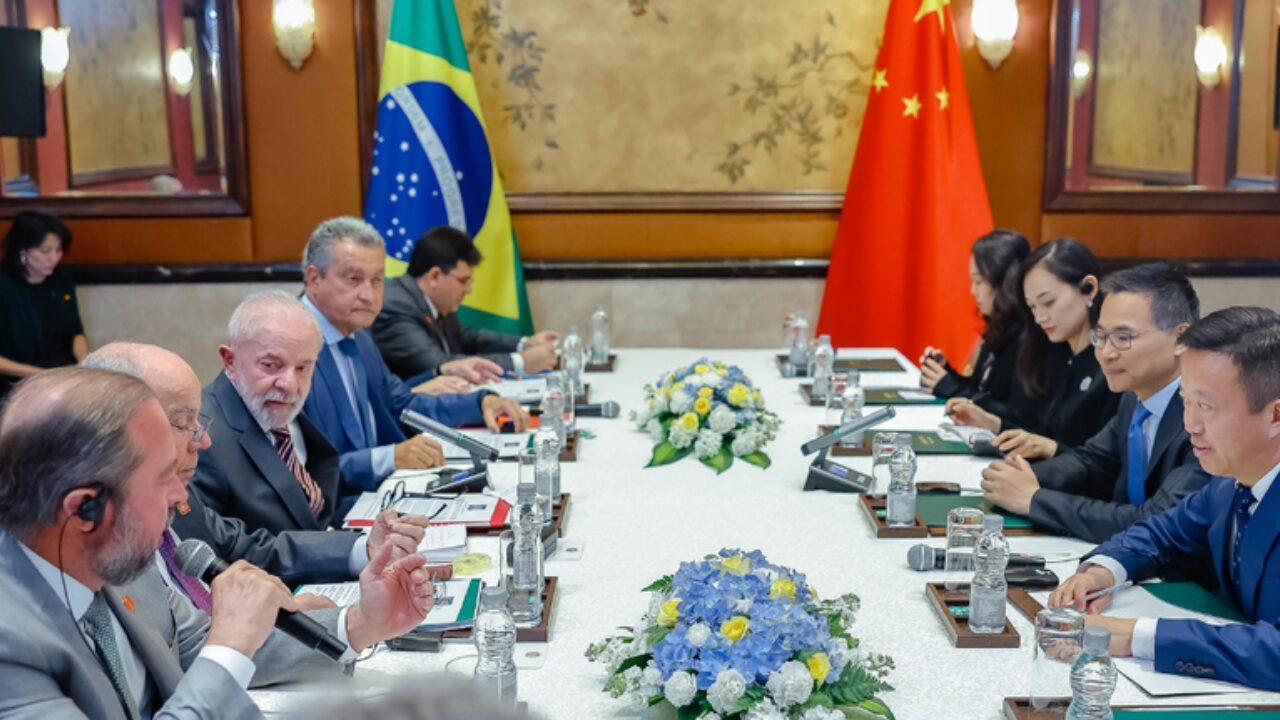

MME Signs Partnership with Windey Energy Technology Group and SENAI CIMATEC to Boost Renewable Energies, Technologies, and Storage in Brazil, Focusing on Green Hydrogen, Wind Energy, and Sustainable Regional Development.
Amid the diplomatic mission led by President Luiz Inácio Lula da Silva in China, a new chapter in international energy cooperation was initiated. The Minister of Mines and Energy, Alexandre Silveira, participated in the signing of a memorandum of understanding with the Chinese state-owned Windey Energy Technology Group and SENAI CIMATEC, reinforcing Brazil’s commitment to advancing renewable energies and clean technology solutions.
The agreement aims to accelerate research, development, and implementation of sustainable systems, such as wind energy, green hydrogen, and energy storage, operating in various regions of the country.
Partnership Focuses on Innovation and Infrastructure for Renewable Energies
The document signed last Sunday (11/5) establishes the basis for the creation of joint projects, with emphasis on a research and development center in Brazil.
-
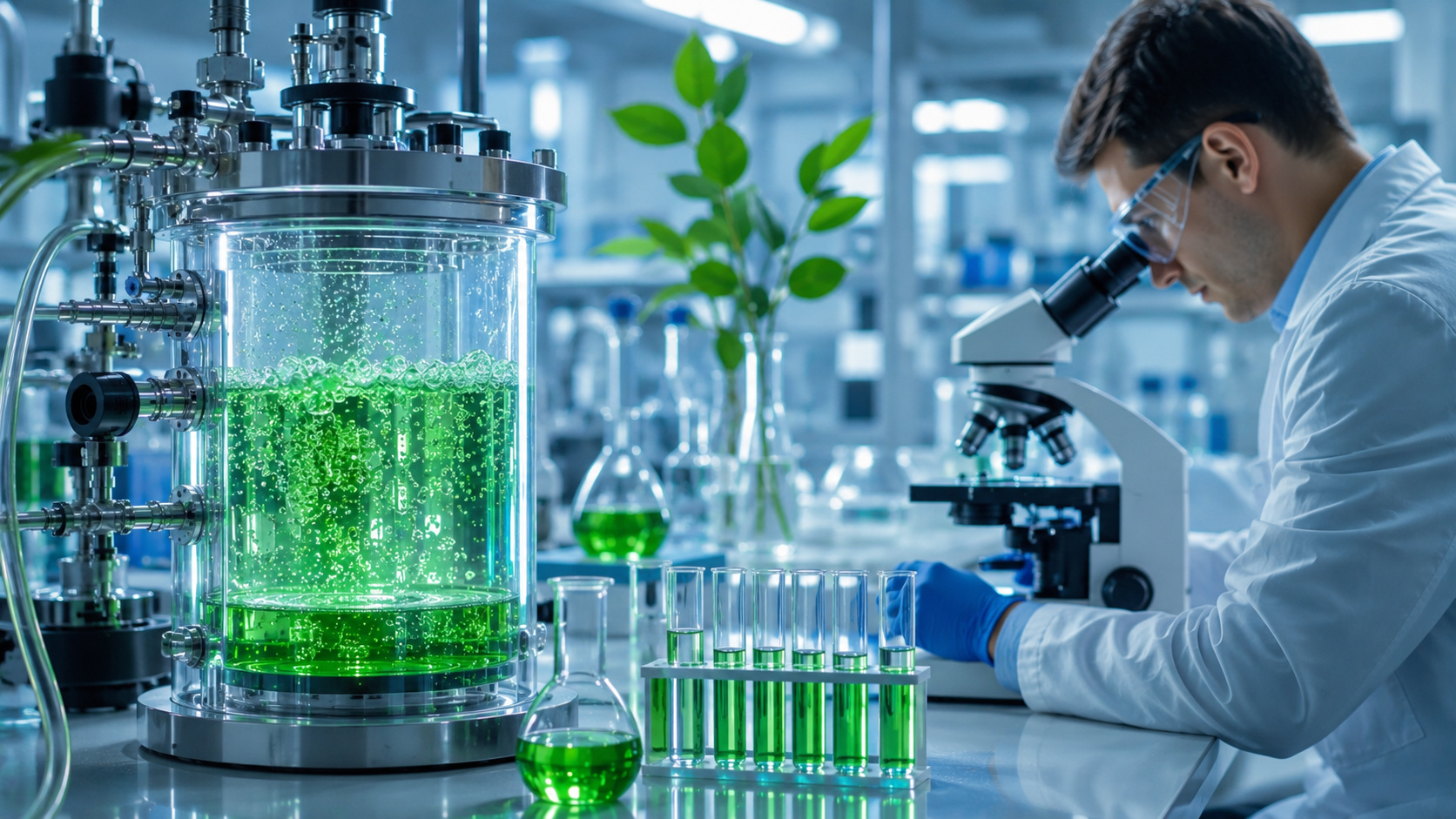
Brazilian scientists are simultaneously advancing two research projects on clean hydrogen and driving solutions that could transform the energy matrix, enhance industrial competitiveness, and accelerate large-scale emission reduction targets.

-
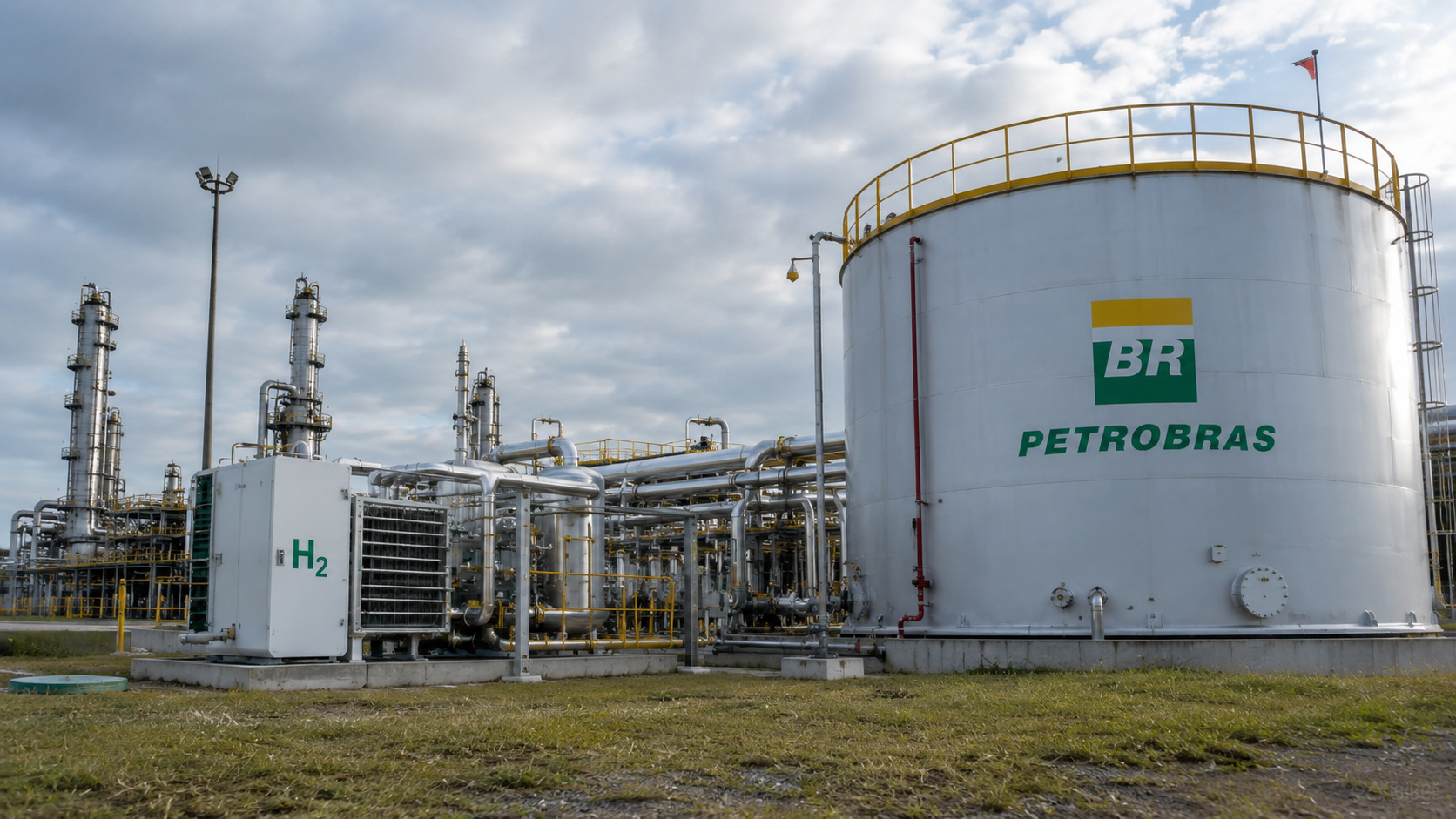
Advancement in renewable energy: A R$ 150 million project launched by Petrobras and Finep aims to create state-of-the-art electrolyzers for green hydrogen, strengthening national research and preparing Brazil to compete in a billion-dollar energy market.
-
Illiterate or semi-literate grandmothers were trained to repair solar systems, open rural workshops, and light up homes that still depended on kerosene.
-
The world has bet on green hydrogen as the fuel of the future, but now faces the side effect: producing 1 kilogram requires about 9 liters of ultrapure water, and the largest projects on the planet are precisely in the driest regions of the Earth, where water is already scarce for people.

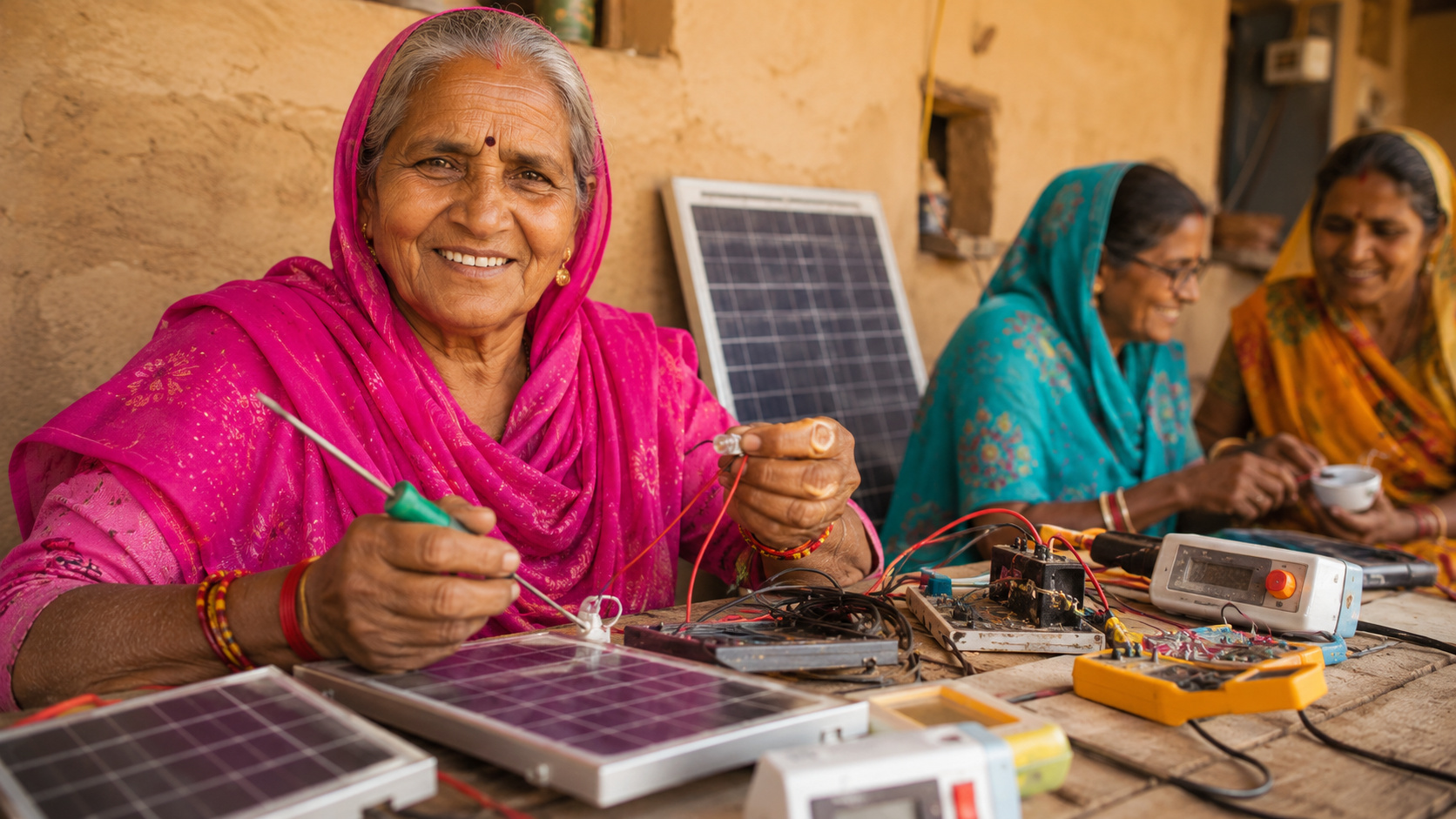
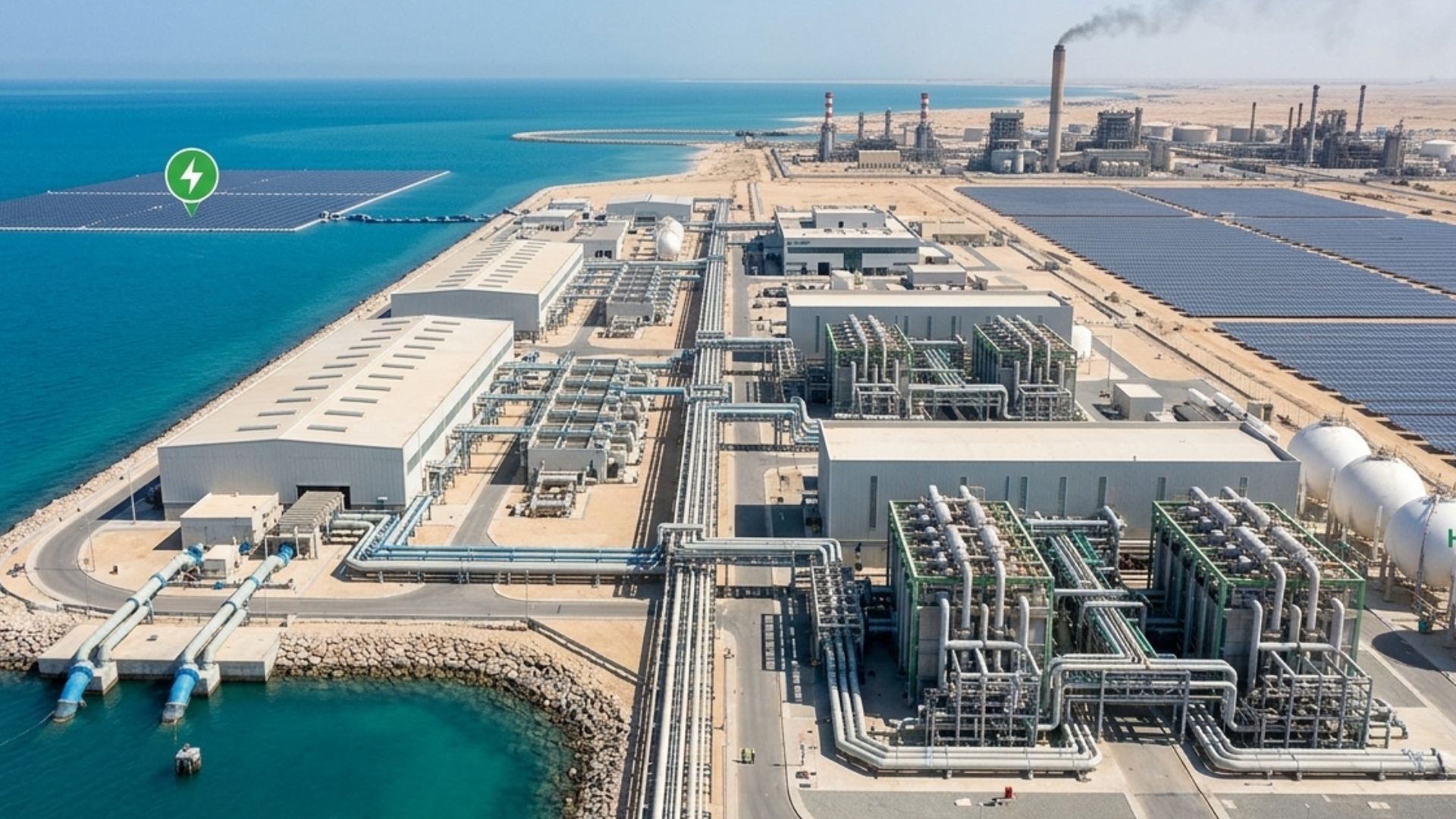
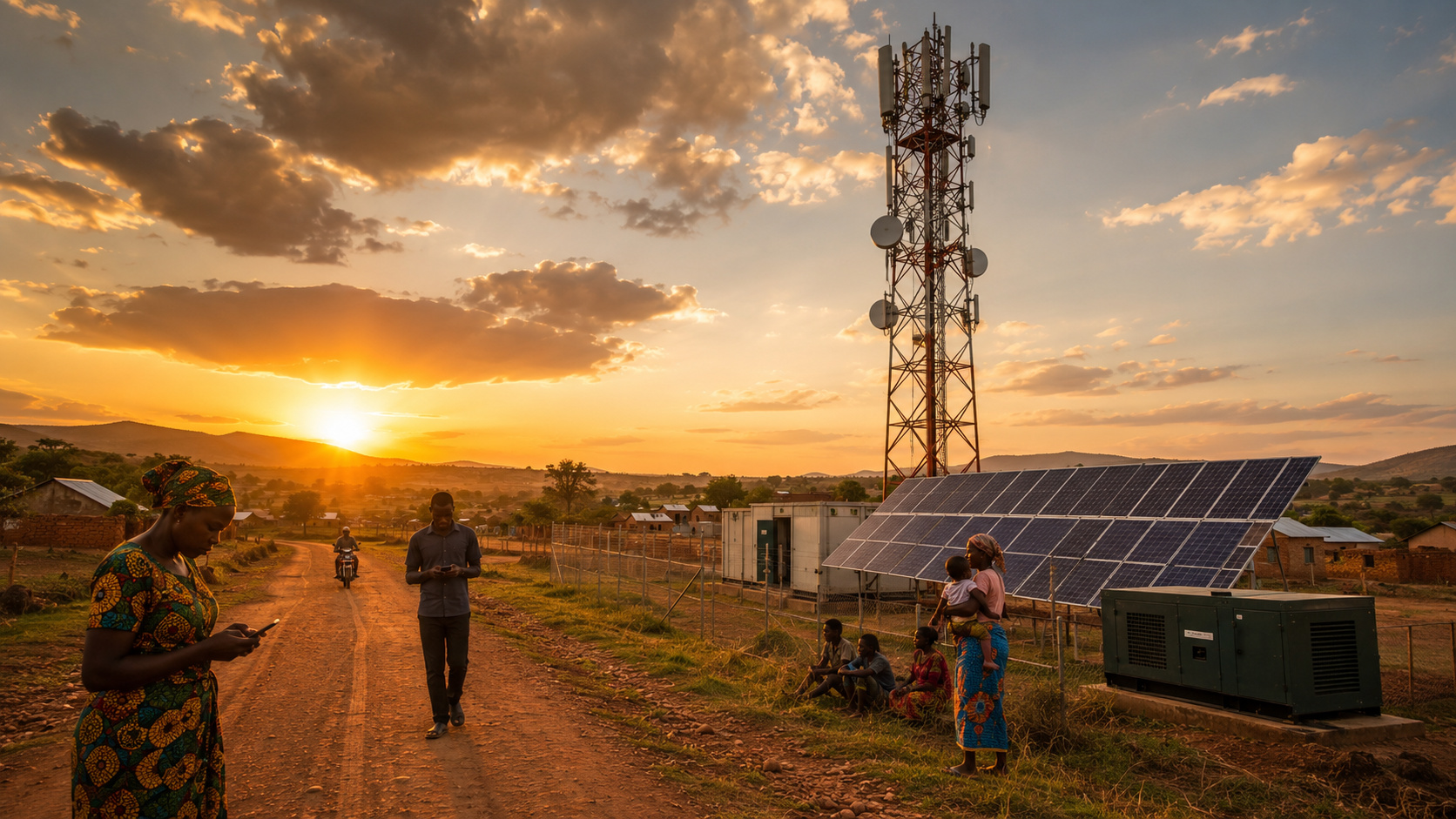
The focus will be on innovation in renewable energy generation and distribution technologies, especially in remote agricultural areas that still face limitations in accessing clean electricity.
Additionally, the partnership is expected to encourage the establishment of equipment manufacturing plants in the country, strengthening the national industry and reducing dependency on imports.
Energy Storage Becomes a Strategic Agenda
One of the central points of the agreement is the development of solutions aimed at energy storage, one of the current challenges of the Brazilian electricity system.
The initiative is directly linked to the first national battery auction announced by the federal government.
“We will soon publish a regulation establishing the rules for Brazil’s first battery auction. Therefore, any solution for system stabilization is very welcome,” said Alexandre Silveira.
The minister also emphasized the need for professional training and the search for new technologies to meet the growing demand of the electricity sector for smart and sustainable solutions.
Green Hydrogen and Wind Energy as Protagonists
The presence of Windey Energy Technology Group and SENAI CIMATEC in this cooperation reinforces Brazil’s prominence in the development of sources such as green hydrogen and wind energy, which are considered essential in the transition to a low-carbon energy matrix.
The R&D center envisioned in the agreement will serve as an applied research hub, with the potential to generate jobs, train qualified labor, and attract new investments to the country.
Connection with Public Policies and COP30
To ensure that actions are in line with the directives of the federal government, a Strategy Committee will be established. The group will be responsible for coordinating projects, evaluating results, and guiding technical and political decisions.
The initiative also plans for joint Brazilian and Chinese participation in COP30, a climate conference that will be held in Belém (PA) in November.
The goal is to present the advances of the partnership as an example of international collaboration on the climate agenda.
Validity and Expectations for Continuity
The memorandum will have an initial validity of 24 months, with the possibility of renewal.
The expectation is that, with the support of the involved institutions, Brazil will accelerate the adoption of clean energies, strengthen its position in the global sustainability scenario, and generate concrete benefits for the population, especially in regions most lacking in energy infrastructure.