





 Portuguese
  English
  Spanish
  2 min of reading



Brazil Shines In The Search For Solar Energy With Chinese Support
Brazil stands out globally as one of the largest enthusiasts of solar energy, positioning itself as the second-largest importer of Chinese solar modules, surpassed only by Europe. A recent analysis by the renowned energy institution Ember emphasizes the country’s ongoing confidence in this energy source, with consistent imports of 9.5 GW in the first half of 2023, a figure that echoes last year’s numbers.
Global Solar Expansion Driven By China
The Ember study unveils the rapid pace of Chinese solar exports, with a notable increase of 34% in the first half of this year. With an impressive shipment of 114 GW globally, China surpasses the 85 GW from the previous year, validating the claim made by Sam Hawkins, data leader at Ember, that the demand for solar energy is in a soaring trajectory.
The detailing of Chinese exports offers updated monthly insights for recipient countries. China’s robustness in the solar sector – representing approximately 80% of global manufacturing capacity – has far-reaching implications for the progress of clean energy worldwide.
-
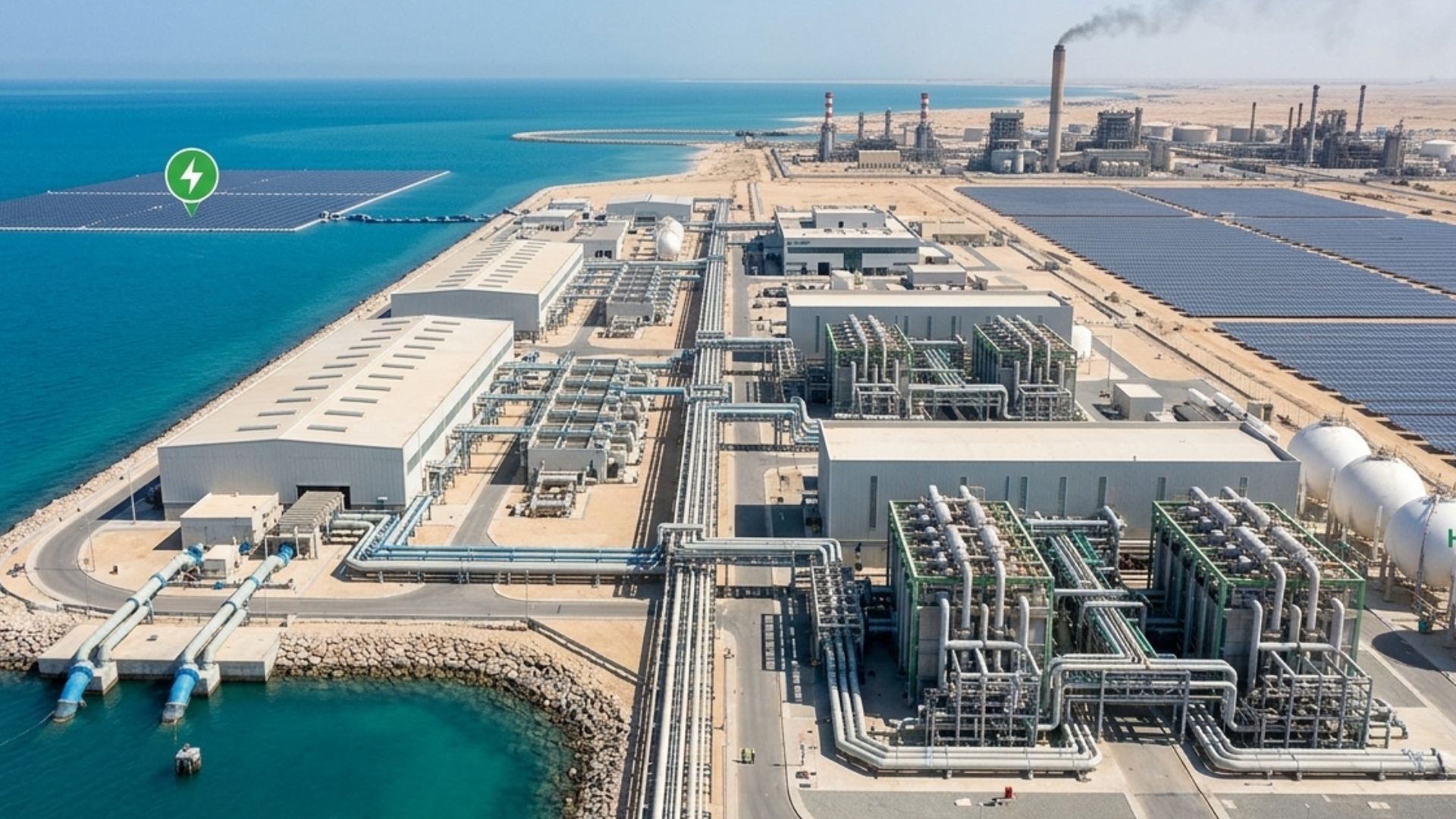
The world has bet on green hydrogen as the fuel of the future, but now faces the side effect: producing 1 kilogram requires about 9 liters of ultrapure water, and the largest projects on the planet are precisely in the driest regions of the Earth, where water is already scarce for people.

-
Africa has about 500,000 cell towers and most still burn diesel to operate, while companies rush to cover antennas with solar energy and avoid signal blackouts.

-
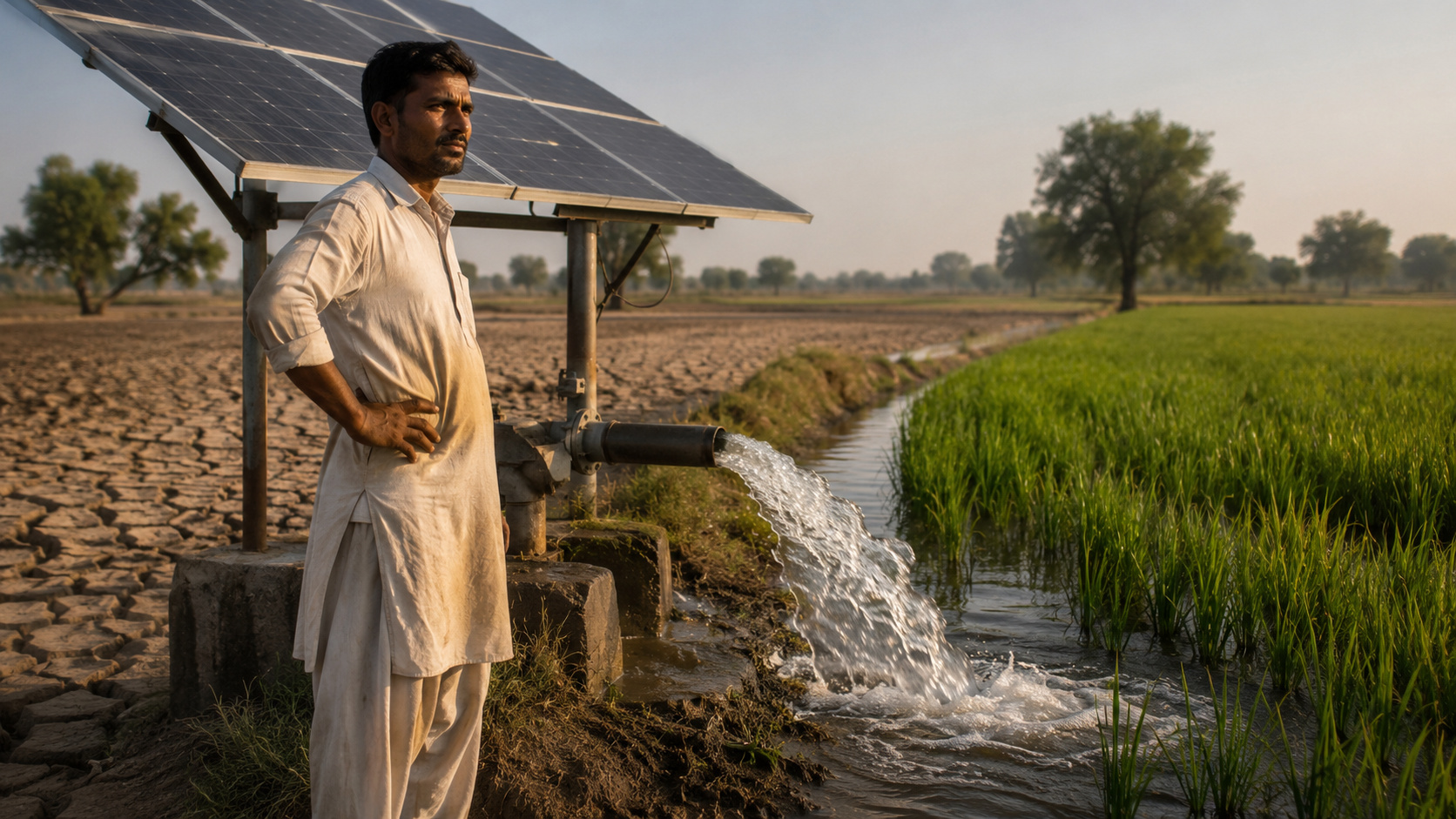
Farmers swapped diesel for solar panels in Pakistan, powered irrigation pumps almost cost-free, expanded rice fields, and now groundwater has become a red alert in the countryside.
-
Migrant workers left the world’s largest renewable energy park in India after extreme heat, 12-hour shifts, delayed wages, and poor accommodations at a site that still promises to supply 18 million homes.


Europe, absorbing more than half of the Chinese solar exports in the first half of 2023, reflects the continent’s commitment to clean energy. These numbers are complemented by its remarkable growth, where Chinese imports rose by 47%, an increase that potentially meets about 2% of the European annual electricity demand.
Africa And The Middle East: New Solar Horizons
South Africa emerges as a surprising frontrunner, with imports of 3.4 GW, a staggering jump of 438% compared to the previous year. The overall African landscape is also optimistic, with the region experiencing a 187% increase.
On the other hand, the Middle East is not far behind, with Saudi Arabia and the United Arab Emirates substantially increasing their solar imports. However, it is essential to note India’s strategic decision to focus on domestic production, resulting in a decrease in its imports from China.
The Solar Future: Challenges And Possibilities
Even with the abundant availability of solar modules, the challenge lies in the efficient installation and integration. Hawkins emphasizes the urgent need to accelerate the implementation of these modules and encourages policies that boost both the installation and integration of solar networks.
With expectations that global manufacturing capacity will double by the end of 2024, there is a world of opportunities waiting to be explored in the realm of solar energy. The journey, although promising, will require collaboration, innovation, and determination to turn the vision of a world powered by clean energy into reality.
Source: Sam Hawkins, data leader at Ember.






Be the first to react!