Portuguese
  Spanish



Brazil Has a Series of Actions That, If Done Correctly, Can Make the Country Jump in the Global Oil Production Ranking
Brazil currently holds a very important position in the production and export of oil worldwide. Occupying 7th place at present, Brazil hopes to reach fifth or fourth place by 2030. José Mauro Coelho, Secretary of Oil, Natural Gas and Biofuels at the Ministry of Mines and Energy, gave an interview to TV Brazil, where he highlighted Brazil’s plans to reach this ambitious goal in the next 9 years.
One of the important measures that will help Brazil soar in the global oil production ranking is the much-anticipated second phase of the auction of the Surplus Transfer (surplus of oil and gas volume that the Union ceded to Petrobras (PETR4), where the fields of Sépia and Atapu will be auctioned.
“We have seen in recent years a declining production from onshore fields and mature offshore fields but in the pre-salt area,” said Secretary José Mauro Coelho.
-
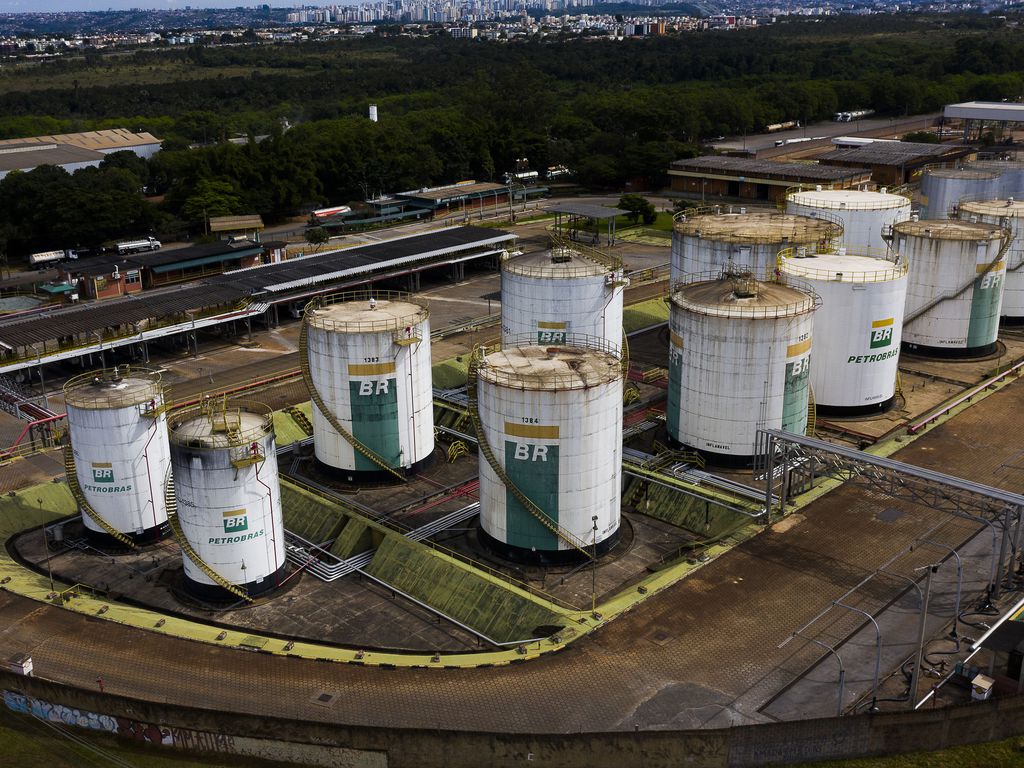
With a record production of nearly 3 million barrels per day, Petrobras resumes importing diesel in July, highlighting the bottleneck in Brazilian refining.

-
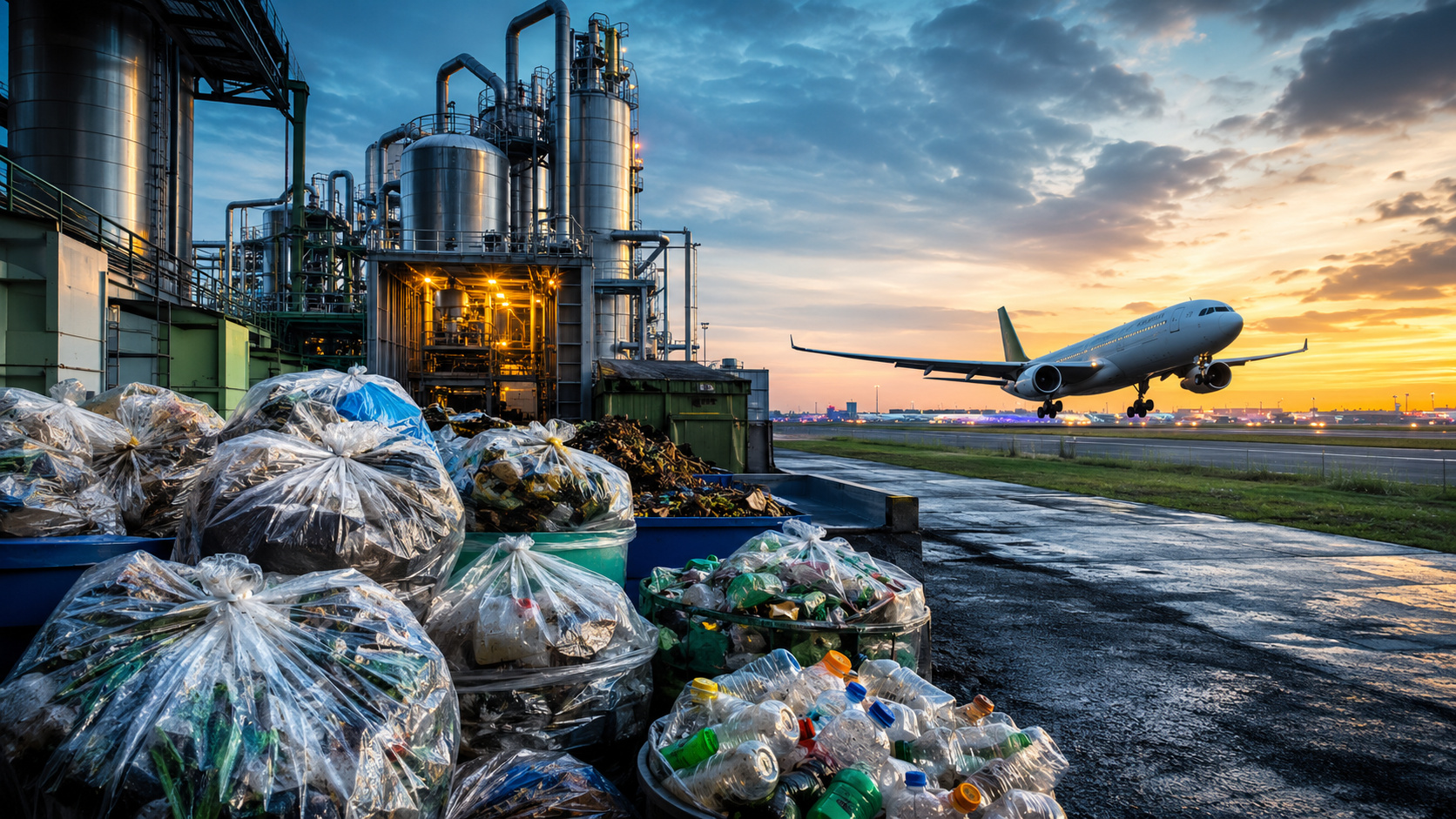
Qantas and Airbus Invest in Company Aiming to Convert Unsorted Household Trash into Jet Fuel

-
Brazil’s ANP Opens 86 New Oil Blocks in the Equatorial Margin, Expanding the Amazon River Mouth Frontier

-
OPEC+ Boosts Oil Supply by 188,000 Barrels per Day in July 2026, Leading to Price Drop from $112 to $89 per Barrel in Under Two Months
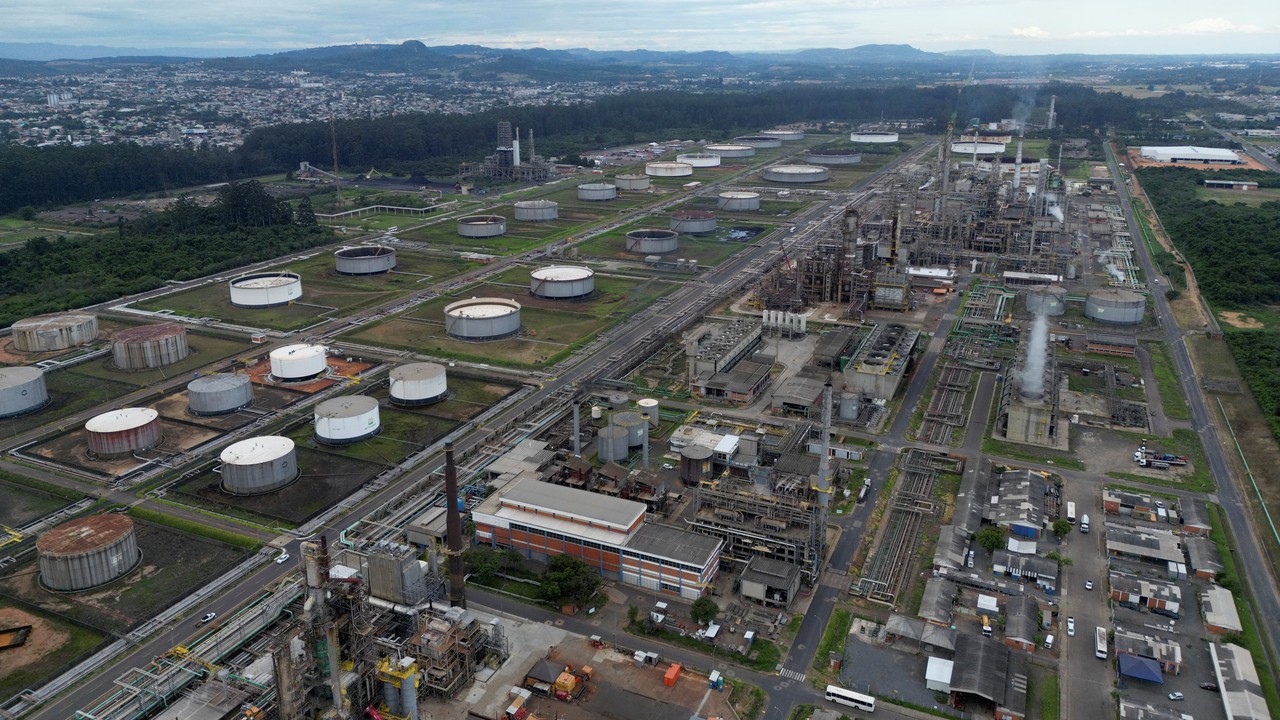

The secretary also highlighted Petrobras’ plan to sell eight oil refinery assets. José Campos believes that increased competitiveness and concentration of power in Petrobras could bring many benefits to the sector.
“The federal government wanted to work on opening the market, so that the market would have greater competition, more dynamism, and a greater plurality of agents, and of course, this brings benefits to the Brazilian consumer. This competition has the potential to lead to a price reduction,” he said.
José Campos also highlighted Brazil’s goal of increasing the use of renewable fuels from 25% to 30%. The projection is also ambitious but can further highlight Brazil in the sector. Watch below the complete interview with José Mauro Coelho.